Managing the complexities of steel supply chains presents unique challenges, distinct from many other commodities due to material weight, specific quality requirements, and global sourcing dynamics. Errors in these processes translate directly into increased operational costs, project delays, and diminished market reputation. For businesses reliant on steel, understanding and proactively mitigating common supply chain missteps is not merely an operational concern but a critical factor in maintaining competitive advantage and ensuring project continuity. This analysis identifies prevalent mistakes, offering actionable insights to enhance efficiency and resilience across the steel procurement and distribution lifecycle.
Insufficient Demand Forecasting
Accurate demand forecasting is the bedrock of an efficient steel supply chain. Miscalculations here lead to either costly overstocking, tying up capital and incurring storage expenses, or critical understocking, resulting in production delays and lost sales opportunities. The long lead times often associated with specialized steel products exacerbate the impact of these errors, making precise projections indispensable.
Ignoring Historical Data Trends
A common oversight involves neglecting comprehensive historical data. Past procurement patterns, seasonal fluctuations, and economic indicators provide valuable context for future demand. Relying solely on current orders or anecdotal evidence introduces significant risk. Effective forecasting integrates multi-year sales data, production schedules, and market consumption rates, allowing for a more nuanced understanding of demand variability.
Failing to Account for Market Volatility
The steel market is subject to price volatility driven by raw material costs, geopolitical events, and global economic shifts. A static demand forecast that does not incorporate these external factors is inherently flawed. Businesses must integrate market intelligence, commodity price indices, and expert analyses into their forecasting models. This dynamic approach enables adjustments to procurement strategies in anticipation of price changes or supply disruptions, safeguarding profit margins.
Poor Supplier Relationship Management
The relationship with steel suppliers extends beyond transactional exchanges. A robust supply chain relies on strong, collaborative partnerships built on trust and mutual understanding. Neglecting this aspect can lead to inconsistent material quality, unreliable delivery schedules, and limited responsiveness during unforeseen market challenges.
Prioritizing Price Over Reliability
While cost efficiency is crucial, exclusively selecting suppliers based on the lowest bid often introduces greater long-term risks. Cheaper options may compromise on material quality, delivery timelines, or adherence to specifications, leading to costly rework, project delays, and reputational damage. A balanced approach considers a supplier's track record for on-time delivery, quality control, certifications, and responsiveness, alongside pricing. Investing in reliable suppliers minimizes operational disruptions.
Lack of Contractual Clarity
Ambiguous or incomplete contracts with steel suppliers create vulnerabilities. Without explicit terms regarding material specifications, delivery schedules, payment terms, quality assurance protocols, and dispute resolution mechanisms, businesses expose themselves to misunderstandings and potential legal challenges. Comprehensive contracts protect both parties, clearly outlining expectations and responsibilities, which is particularly vital for custom orders or specialized steel grades.
Inadequate Inventory Control
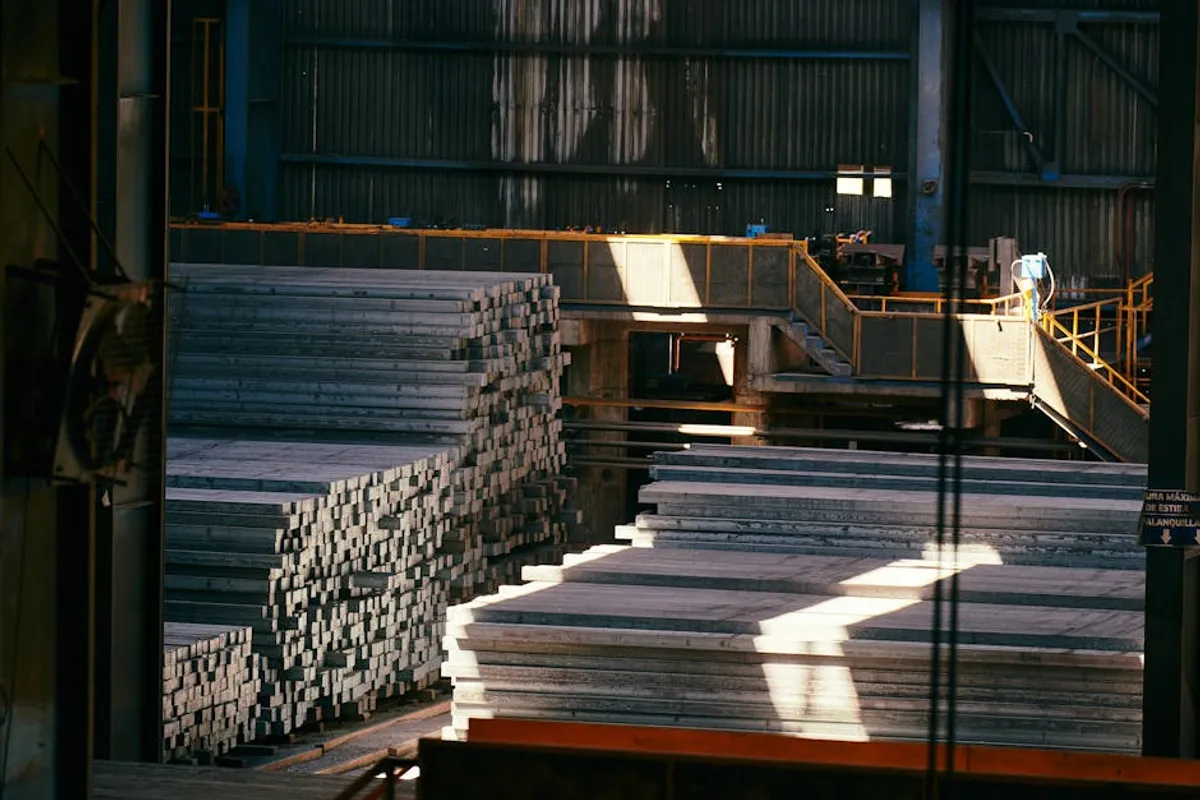
Efficient inventory management is critical in steel supply chains due to the material's bulk, weight, and value. Poor control leads to inflated holding costs, increased risk of damage or obsolescence, and inefficient use of warehouse space, directly impacting profitability. Efficient practices involve streamlining steel inventory management to reduce operational costs.
Excessive Safety Stock Practices
Maintaining excessively high safety stock levels to buffer against uncertainty is a common, yet costly, mistake. While some buffer is necessary, overstocking ties up significant capital, increases insurance premiums, and incurs higher storage and handling expenses. Optimizing safety stock requires a data-driven approach, balancing the cost of holding inventory against the risk and cost of stockouts, often through statistical analysis of demand variability and lead times.
Inefficient Warehouse Layouts
A poorly organized warehouse directly impedes operational efficiency. Suboptimal layouts increase material handling times, lead to errors in picking and dispatch, and can result in damage to materials. Effective inventory control benefits from strategic warehouse design that considers:
- Logical flow for receiving, storage, and dispatch.
- Clear segregation of different steel types and grades.
- Accessibility for heavy machinery and safety protocols.
- Utilization of vertical space to maximize storage density.
- Regular audits to identify and rectify inefficiencies.
These measures reduce operational costs and improve turnaround times.
Neglecting Quality Assurance
The structural integrity and performance of projects heavily depend on the quality of the steel used. Overlooking rigorous quality assurance protocols at any stage of the supply chain introduces significant risks, from structural failures to regulatory non-compliance and warranty claims.
Skipping Material Certifications
Failure to verify material certifications (e.g., mill certificates, test reports) is a critical error. These documents confirm that the steel meets specified chemical compositions, mechanical properties, and manufacturing standards. Relying on visual inspection alone is insufficient for steel, where internal properties dictate performance. Always demand and verify relevant certifications to ensure material suitability for its intended application.
Inconsistent Inspection Protocols
Ad hoc or inconsistent inspection processes, both at the supplier's facility and upon receipt, can allow substandard materials to enter the production stream. Establishing clear, standardized inspection protocols, including visual checks, dimensional measurements, and non-destructive testing where appropriate, is essential. Regular training for inspection personnel ensures adherence to these standards, minimizing the risk of quality defects.
Overlooking Logistics and Transportation Risks
The global nature of steel sourcing and distribution exposes supply chains to a myriad of logistics and transportation risks. These range from transit delays and damage during shipment to geopolitical disruptions and escalating freight costs. Ignoring these potential pitfalls can severely impact project timelines and budgets.
Underestimating Transit Times and Costs
A common mistake is underestimating the true transit times and associated costs for steel shipments, especially across international borders. Factors such as customs clearance, port congestion, differing transportation modes, and fuel price volatility can significantly extend lead times and inflate expenses. Detailed planning must account for these variables, incorporating buffer times and contingency budgets to prevent project overruns.
Pro Tip: Implement a robust risk management framework that identifies potential single points of failure in your steel supply chain, particularly regarding critical transportation routes or specialized material suppliers. Develop alternative sourcing and logistics plans proactively, rather than reactively, to mitigate the impact of unforeseen disruptions like natural disasters, port strikes, or geopolitical instability. Regular scenario planning can significantly enhance resilience.
Insufficient Risk Mitigation for Disruptions
Steel supply chains are vulnerable to a wide array of disruptions, from natural disasters impacting production facilities or shipping routes to labor strikes and regulatory changes. Failing to develop comprehensive risk mitigation strategies leaves businesses exposed. This includes diversifying supplier bases, securing multiple transportation routes, and implementing real-time tracking systems to monitor shipments and anticipate delays.
Lack of Digital Integration and Data Utilization
In an increasingly data-driven world, steel supply chains that rely on manual processes and fragmented information systems operate at a significant disadvantage. The absence of digital integration limits visibility, slows decision-making, and prevents the optimization of complex operations.
Manual Processes and Siloed Information
Relying on spreadsheets, paper-based records, and disconnected communication channels creates information silos, leading to errors, delays, and a lack of real-time visibility into inventory, order status, and supplier performance. This manual approach hinders responsiveness and makes it difficult to identify bottlenecks or inefficiencies across the supply chain.
Failure to Leverage Analytics
Many businesses collect vast amounts of data but fail to extract meaningful insights. Without leveraging analytics tools, opportunities for predictive forecasting, route optimization, inventory reduction, and supplier performance improvements are missed. Implementing systems that consolidate data and provide analytical capabilities enables proactive decision-making, transforming raw data into strategic advantage.
Strengthening Your Steel Supply Chain Resilience
Avoiding these common mistakes requires a strategic, integrated approach rather than isolated tactical fixes. It involves fostering stronger supplier relationships, investing in robust digital tools for forecasting and inventory management, and embedding a culture of continuous quality assurance. By addressing these areas proactively, businesses can build a steel supply chain that is not only cost-efficient but also resilient, adaptable, and capable of supporting long-term growth and project success.
Frequently Asked Questions
What are the biggest cost drivers in a steel supply chain?
Key cost drivers include raw material prices, which are highly volatile; transportation and logistics expenses, especially for heavy and bulky items; inventory holding costs, encompassing storage, insurance, and obsolescence; and processing or fabrication costs, which vary by complexity and labor rates.
How can technology improve steel supply chain efficiency?
Technology can significantly enhance efficiency through advanced demand forecasting software, real-time inventory management systems, supply chain visibility platforms for tracking shipments, and analytics tools that identify bottlenecks and optimize routes, ultimately reducing waste and improving responsiveness.
What role does sustainability play in steel supply chains?
Sustainability is increasingly important, driven by regulatory pressures and customer demand. It involves sourcing steel from producers with lower carbon footprints, optimizing logistics to reduce emissions, minimizing waste throughout the supply chain, and ensuring ethical labor practices among suppliers.
How often should supplier relationships be reviewed?
Supplier relationships should be reviewed at least annually through formal performance evaluations, but ongoing communication and informal check-ins are crucial. For critical suppliers or volatile market conditions, more frequent reviews, such as quarterly, are advisable to ensure alignment and address emerging issues promptly.