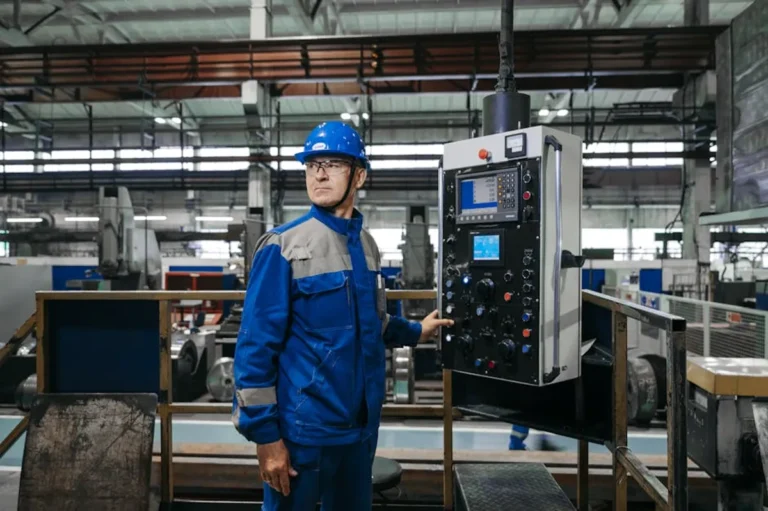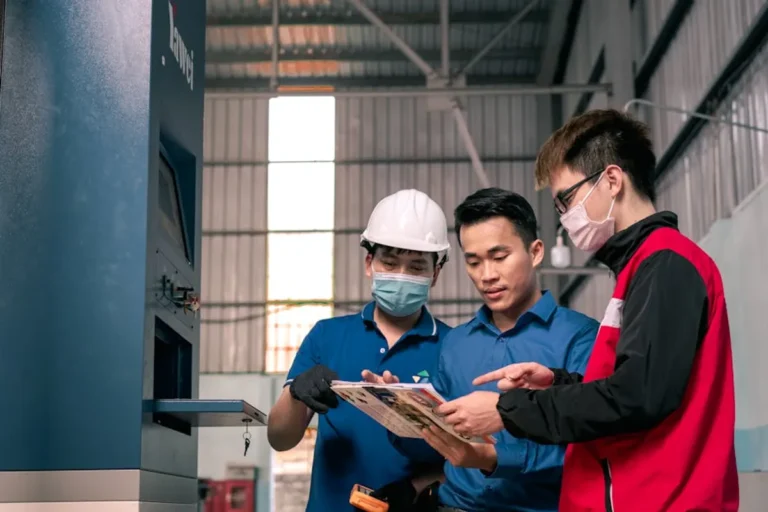

Ensuring the safety of manufacturing operations within your supply chain extends far beyond mere regulatory compliance; it directly impacts product quality, delivery reliability, brand reputation, and long-term business viability. When engaging with potential or existing suppliers, a proactive and detailed inquiry into their factory safety protocols is not just due diligence—it is a strategic imperative. This approach minimizes the risk of production disruptions, avoids costly recalls or litigation, and protects your brand from association with unsafe labor practices or environmental negligence. The following questions are designed to uncover the depth of a supplier’s commitment to safety, moving beyond superficial assurances to reveal their operational reality.
How to Evaluate Supplier Safety Protocols
Effective evaluation of a supplier’s safety protocols requires a multi-faceted approach. Begin by requesting comprehensive documentation, including safety manuals, incident reports, audit findings, and training records. However, documentation is only a starting point; conduct thorough on-site factory audits, either independently or through reputable third-party firms, to verify that stated policies are actively implemented and observed. Pay attention to visible signs of safety culture, such as clear signage, organized workspaces, proper PPE usage, and visible management engagement. Engage workers directly, if possible, to gauge their understanding and adherence to safety procedures. Finally, establish a clear framework for ongoing monitoring and performance review, ensuring that safety is a continuous partnership, not a one-time check.
1. Certifications and Compliance
Asking about a supplier's safety certifications and adherence to relevant compliance standards provides an initial, critical benchmark for their operational integrity. This includes inquiring about internationally recognized standards like ISO 45001 (Occupational Health and Safety Management Systems) or older OHSAS 18001 certifications, alongside specific local or industry-mandated safety regulations. Understanding their certification status confirms a foundational commitment to established safety frameworks and demonstrates a proactive approach to risk management, rather than merely reactive measures. It signals a supplier's capacity to meet global safety expectations.
Best for: Establishing baseline credibility and ensuring fundamental regulatory adherence, especially when evaluating new suppliers or entering new geographical markets with specific legal safety requirements.
Pros: Provides objective, third-party verified evidence of safety commitment; simplifies initial supplier screening; indicates a structured approach to safety management.
Cons: Certifications alone do not guarantee day-to-day operational safety; requires verification of certificate validity and scope; does not detail specific on-the-ground practices.
Verdict: While not a complete safety picture, robust certification and compliance records are non-negotiable starting points for any serious supplier safety assessment, signaling a supplier's capacity to meet global safety expectations.
2. Safety Management Systems (SMS)
Inquire about the formal safety management systems (SMS) a supplier has in place. This goes beyond certifications to understand the operational mechanics: Do they have documented policies, procedures, and responsibilities for safety? How are these communicated and enforced? A well-defined SMS outlines how safety risks are identified, assessed, controlled, and monitored across all operations, ensuring a systematic approach to preventing incidents. It demonstrates that safety is integrated into daily operations, not treated as an afterthought or an occasional task.
Best for: Assessing the structural backbone of a supplier's safety efforts, particularly for complex manufacturing processes or long-term partnerships where continuous improvement is essential.
Pros: Reveals a methodical, proactive approach to safety; provides a framework for consistent safety performance; allows for clear accountability and audit trails.
Cons: Can be theoretical if not properly implemented; requires detailed review of documentation and on-site verification to confirm effectiveness.
Verdict: A robust SMS indicates a mature safety culture and operational discipline, providing confidence that safety is systematically managed rather than relying on ad-hoc reactions.
3. Risk Assessment and Mitigation
Understanding how a supplier identifies and controls hazards is fundamental. Ask about their process for conducting risk assessments: How frequently are they performed? Who conducts them? What methodology is used (e.g., hazard identification, risk analysis, risk evaluation)? More importantly, inquire about the mitigation strategies implemented based on these assessments. This includes engineering controls, administrative controls, and the provision of personal protective equipment (PPE). A clear, documented process for identifying and actively reducing risks demonstrates a proactive stance on worker protection and operational stability.
Best for: Evaluating a supplier's ability to foresee and prevent specific operational hazards, particularly relevant for high-risk manufacturing environments or novel production techniques.
Pros: Directly addresses the prevention of accidents; reveals the supplier's understanding of their specific operational dangers; provides insight into their problem-solving capabilities.
Cons: Assessment quality can vary; requires detailed review of risk registers and mitigation plans; effectiveness must be verified through observation.
Verdict: A comprehensive risk assessment and mitigation framework is critical for ensuring that potential dangers are systematically addressed before they manifest as incidents, protecting both workers and production timelines.
4. Worker Training and Competency
Worker competency is a cornerstone of factory safety. Ask detailed questions about their safety training programs: What topics are covered (e.g., machine operation, chemical handling, emergency procedures)? How often is training conducted? Are new employees trained before starting work? How is training effectiveness assessed (e.g., quizzes, practical demonstrations)? Request evidence of training records, including attendance and competency evaluations. A well-trained workforce is less prone to accidents and better equipped to respond to emergencies, directly impacting operational continuity and product quality. Understanding worker competency is key to assessing a supplier's commitment to safety.
Best for: Ensuring that all personnel, from new hires to experienced operators, possess the necessary knowledge and skills to perform their duties safely, especially in environments with complex machinery or hazardous materials.
Pros: Reduces human error and incident rates; fosters a culture of safety awareness; ensures compliance with specific operational safety requirements.
Cons: Training quality can be inconsistent; records may not always reflect actual knowledge or application; requires ongoing reinforcement and refresher courses.
Verdict: Thorough and ongoing worker training is indispensable for operational safety, transforming policies into practical, daily actions that protect employees and prevent costly errors.
5. Incident Reporting and Investigation
How a supplier handles incidents, near misses, and accidents reveals much about their commitment to continuous improvement. Inquire about their incident reporting procedures: Is there a clear process for reporting? Are all incidents, no matter how minor, recorded? Critically, ask about their investigation process: Who conducts investigations? What methodology is used to determine root causes (e.g., 5 Whys, Fishbone Diagram)? How are corrective and preventive actions identified, implemented, and tracked? A transparent and analytical approach to incidents demonstrates a learning culture focused on preventing recurrence.
Best for: Understanding a supplier's learning culture and their ability to prevent repeat incidents, crucial for long-term reliability and risk reduction in the supply chain.
Pros: Drives continuous improvement in safety performance; identifies systemic weaknesses; provides data for proactive risk management.
Cons: Reporting might be under-represented if there's a culture of blame; investigations can be superficial without proper training; requires robust follow-up on corrective actions.
Verdict: A rigorous incident reporting and investigation system is vital for transforming adverse events into actionable insights, ensuring that safety failures lead to systemic improvements rather than recurring problems.
6. Emergency Preparedness and Response
A supplier’s ability to respond effectively to emergencies is paramount for protecting personnel and assets, and for minimizing production disruptions. Ask about their emergency preparedness plans: Do they have documented procedures for various scenarios (e.g., fire, chemical spills, medical emergencies, natural disasters)? Are emergency exits clearly marked and unobstructed? Are fire suppression systems regularly inspected? Inquire about emergency contact information, designated assembly points, and regular drills. Evidence of well-practiced emergency response plans indicates a supplier’s readiness to handle unforeseen events with minimal impact.
Best for: Ensuring resilience against unexpected events and minimizing the potential for major disruptions or harm, particularly in facilities handling hazardous materials or operating complex machinery.
Pros: Protects lives and property during crises; minimizes business interruption; demonstrates a responsible approach to operational risks.
Cons: Plans can become outdated if not regularly reviewed; drills may not fully simulate real-world stress; requires significant investment in training and equipment.
Verdict: Robust emergency preparedness is a non-negotiable safeguard, ensuring that a supplier can protect its workforce and production capabilities when unforeseen events occur, thereby securing your supply chain.
7. Equipment Maintenance and Safety
The condition and maintenance of machinery directly influence operational safety. Ask about their equipment maintenance program: How frequently are machines inspected and serviced? Is there a preventative maintenance schedule? How are defects or malfunctions reported and addressed? Inquire about lockout/tagout (LOTO) procedures for maintenance and repair, ensuring that machinery cannot be accidentally started. Request documentation of maintenance logs and safety checks. Well-maintained equipment not only performs reliably but also significantly reduces the risk of mechanical failures leading to accidents.
Best for: Mitigating risks associated with machinery operation and ensuring consistent product quality, especially in industries reliant on precision manufacturing or heavy equipment.
Pros: Prevents mechanical failures and associated accidents; extends equipment lifespan; ensures consistent operational performance and product quality.
Cons: Maintenance records can be falsified; requires on-site verification of equipment condition; can be costly to maintain older machinery to high standards.
Verdict: A diligent equipment maintenance program is critical for preventing mechanical failures that lead to injuries and production delays, directly supporting both safety and efficiency.
8. Personal Protective Equipment (PPE)
Inquire about the supplier's policies and practices regarding Personal Protective Equipment (PPE). This includes understanding what PPE is required for different tasks and areas, how it is selected, provided, maintained, and inspected. Ask about worker training on the correct use, limitations, and care of PPE. Request details on how compliance with PPE usage is monitored and enforced. Adequate and properly used PPE serves as a critical last line of defense against workplace hazards, reflecting a supplier's commitment to protecting its employees where engineering controls are insufficient.
Best for: Ensuring direct worker protection against specific, unavoidable hazards, particularly in environments where machinery, chemicals, or physical risks are present.
Pros: Provides immediate protection against hazards; demonstrates a commitment to worker welfare; often a visible indicator of a safety-conscious workplace.
Cons: PPE can be misused or uncomfortable; requires constant monitoring and enforcement; does not eliminate the hazard itself, only mitigates exposure.
Verdict: While not a primary control measure, consistent and correct PPE provision and usage are essential for direct worker protection and signify a supplier’s adherence to fundamental safety practices.
9. Subcontractor and Visitor Safety
A supplier’s safety responsibility extends beyond their direct employees. Ask how they manage the safety of subcontractors, temporary workers, and visitors on their premises. Do subcontractors undergo safety orientations? Are their safety performance standards reviewed? How are visitors briefed on site-specific hazards and emergency procedures? Inquire about the process for ensuring that all personnel, regardless of employment status, adhere to the same safety standards and are aware of potential risks. This demonstrates a comprehensive approach to site safety and risk management.
Best for: Ensuring a consistent safety standard across all personnel on site, mitigating indirect risks that could arise from non-employee activities, especially in facilities with frequent external contractors.
Pros: Extends safety umbrella to all individuals on site; prevents incidents caused by unfamiliarity or lack of training among non-employees; protects the supplier from liability.
Cons: Requires robust oversight and communication; can be challenging to enforce uniform standards across diverse contractor teams; potential for gaps in responsibility.
Verdict: Managing subcontractor and visitor safety is crucial for preventing incidents from external parties and ensuring a holistic safety environment that protects everyone on the premises.
10. Chemical and Hazardous Material Management
For factories that handle chemicals or hazardous materials, specific questions are necessary. Ask about their inventory of hazardous substances, how they are stored (e.g., segregation, ventilation, spill containment), handled, and disposed of. Inquire about the availability and accessibility of Safety Data Sheets (SDS) for all chemicals. How are workers trained on chemical handling, spill response, and emergency procedures? This area is critical for preventing chemical exposures, fires, explosions, and environmental contamination, all of which can have severe consequences for workers and your supply chain.
Best for: Suppliers involved in processes that utilize or produce hazardous substances, ensuring compliance with environmental and worker safety regulations and preventing catastrophic incidents.
Pros: Prevents chemical-related injuries, fires, and environmental contamination; ensures regulatory compliance; protects the supplier's reputation and financial stability.
Cons: Requires specialized training and infrastructure; can be complex to manage a wide range of chemicals; disposal methods need constant oversight.
Verdict: Meticulous management of hazardous materials is non-negotiable for any factory using them, directly impacting worker health, environmental compliance, and the overall integrity of the production process.
11. Safety Performance Metrics and Continuous Improvement
A mature safety program is data-driven and focused on continuous improvement. Ask what safety performance metrics they track (e.g., incident rates, lost time injuries, near misses, audit findings, safety training completion rates). How frequently are these metrics reviewed by management? What processes are in place for setting safety objectives, reviewing performance against those objectives, and implementing corrective actions? Evidence of a cycle of measurement, review, and improvement demonstrates a genuine commitment to enhancing safety over time.
Best for: Assessing a supplier's strategic approach to safety and their commitment to long-term performance improvement, providing objective data for ongoing partnership evaluations.
Pros: Provides objective data on safety performance; drives accountability and goal setting; supports proactive rather than reactive safety management.
Cons: Metrics can be manipulated or incomplete; requires consistent data collection and analysis; improvement initiatives need proper funding and management support.
Verdict: Tracking and acting upon safety performance metrics is essential for demonstrating a supplier’s commitment to continuous improvement, moving beyond basic compliance to proactive risk reduction.
12. Safety Culture and Communication
Beyond policies and procedures, the underlying safety culture is paramount. Ask questions that reveal management's commitment and worker involvement: How does senior management demonstrate its commitment to safety? Are workers encouraged to report hazards without fear of reprisal? Are there safety committees or worker representatives involved in safety decision-making? How is safety information communicated throughout the factory? A strong safety culture, characterized by open communication and active participation, is a powerful predictor of consistent safety performance.
Best for: Gaining insight into the intangible yet critical human element of safety, revealing how deeply safety is embedded in daily operations and employee mindset.
Pros: Fosters proactive hazard identification and reporting; empowers employees to take ownership of safety; leads to sustained high safety performance.
Cons: Difficult to quantify or audit; requires qualitative assessment during site visits; can be undermined by production pressure or lack of management follow-through.
Verdict: A positive safety culture, driven by visible management commitment and active worker involvement, is the ultimate indicator of a supplier’s long-term dedication to protecting its workforce and ensuring operational integrity.
Measuring and Ensuring Ongoing Safety Compliance
Once a supplier has been vetted, the work of ensuring safety compliance is ongoing. Implement a schedule for periodic re-audits, both announced and unannounced, to verify continued adherence to agreed-upon safety standards. Establish clear Key Performance Indicators (KPIs) for safety, such as incident rates, near-miss reporting frequency, and closure rates for corrective actions, and include these in regular business reviews. Integrate safety performance into supplier scorecards and contractual agreements, making it a condition of continued partnership. Foster open communication channels, encouraging suppliers to report challenges and improvements proactively. This continuous engagement ensures that safety remains a shared priority, protecting your brand and contributing to a resilient supply chain.
Frequently Asked Questions
Q: How often should I re-evaluate a supplier's safety protocols?
A: The frequency depends on several factors: the supplier's initial safety performance, the risk level of the products manufactured, changes in regulations, or any significant incidents. High-risk suppliers or those with prior issues may require annual reviews, while established, low-risk partners might be reviewed every two to three years, supplemented by ongoing performance monitoring.
Q: What if a supplier fails to meet some safety expectations?
A: A failure does not always mean immediate disqualification. Develop a corrective action plan with the supplier, outlining specific improvements, timelines, and verification methods. Monitor their progress closely. If they demonstrate commitment and make measurable improvements, the partnership can continue. If not, consider alternative suppliers to mitigate your risk.
Q: Can I rely solely on third-party audit reports?
A: Third-party audit reports provide valuable, objective insights but should not be the sole basis for your assessment. Always review the scope of the audit, the auditor's credentials, and the findings thoroughly. Supplement these reports with your own due diligence, including direct communication and, ideally, site visits, to gain a complete understanding of the supplier's safety reality.
Q: How can I ensure cultural differences don't impede safety communication?
A: Prioritize clear, unambiguous communication. Use visual aids, translate key safety documents into local languages, and engage local safety experts or interpreters if necessary. Foster an environment where questions are encouraged, and reporting concerns is seen as a positive contribution, rather than a criticism. Cultural sensitivity and respect are crucial for building trust and ensuring effective safety practices.
Q: What role does technology play in supplier safety assessments?
A: Technology can streamline safety assessments by facilitating document management, tracking corrective actions, and providing platforms for remote monitoring or virtual audits. Data analytics can help identify trends in incident reporting or audit findings across multiple suppliers. However, technology should augment, not replace, direct human oversight and on-site verification.