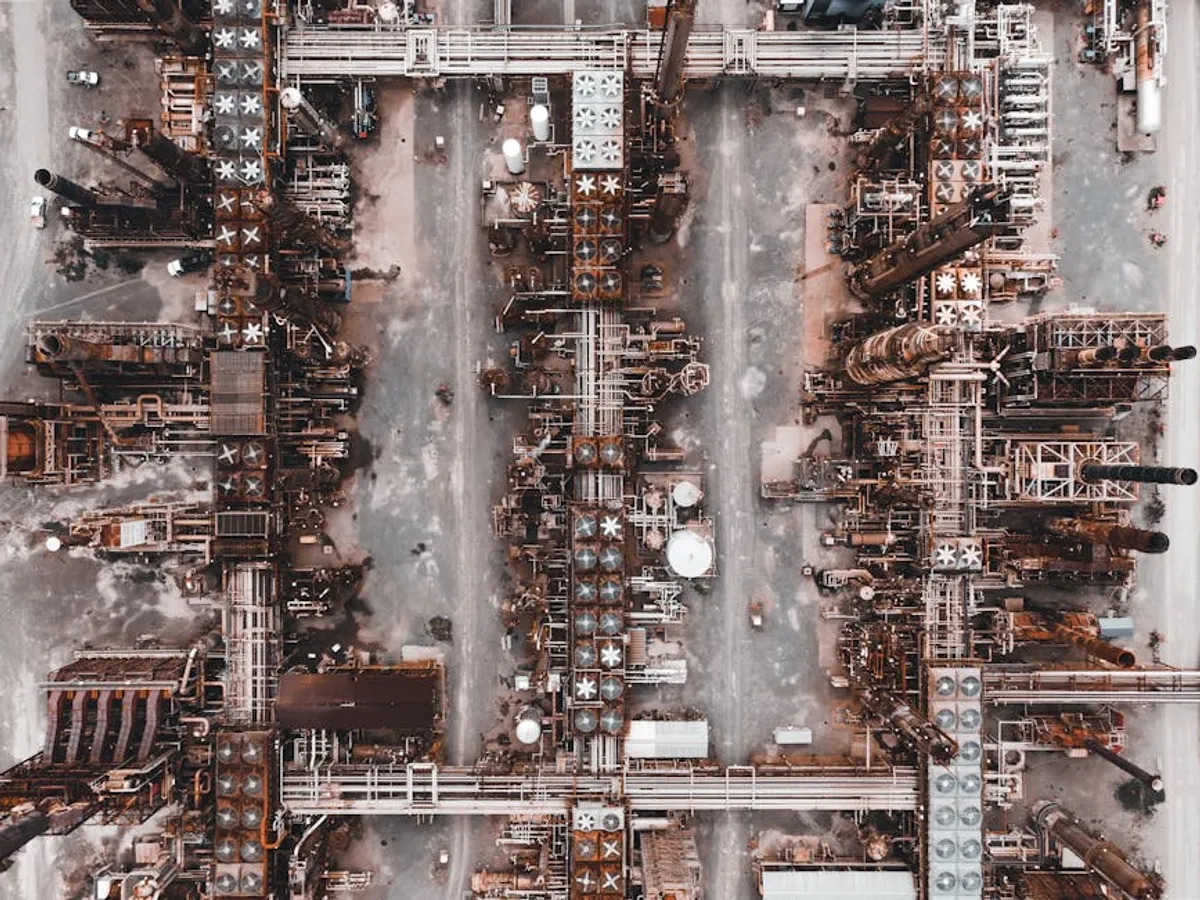
Selecting the appropriate factory safety measures for industrial projects requires a systematic approach, moving beyond basic compliance to integrated risk mitigation. The decision impacts operational efficiency, regulatory adherence, and, critically, worker well-being. This process involves a detailed assessment of potential hazards specific to the industrial environment, a thorough evaluation of available safety technologies and protocols, and strategic vendor selection to ensure long-term reliability and adaptability. Effective safety choices prevent incidents, reduce downtime, and protect investments by fostering a secure operational culture from project inception.
Assessing Project-Specific Risks
The foundation of any robust factory safety plan is a comprehensive risk assessment tailored to the specific industrial project. Generic safety checklists often fall short in complex manufacturing or processing environments, where unique machinery, materials, and processes introduce distinct hazards.
Identifying Core Hazards
Begin by mapping out every stage of the industrial process, from raw material intake to finished product dispatch. For each stage, identify potential mechanical, electrical, chemical, thermal, and ergonomic hazards. Mechanical hazards might include pinch points, rotating equipment, or sudden movements. Electrical hazards encompass high voltage exposure or improper grounding. Chemical risks involve exposure to corrosive, flammable, or toxic substances. Thermal hazards can range from extreme heat in furnaces to cryogenic temperatures. Ergonomic risks relate to repetitive tasks, heavy lifting, or awkward postures that can lead to musculoskeletal injuries. Quantify the likelihood and severity of each identified hazard to prioritize mitigation efforts.
Example: In an automated assembly line, a robotic arm's swing radius poses a mechanical hazard. The likelihood is high if human operators frequently enter the work cell, and severity is high due to potential crushing injuries. Mitigation would prioritize physical barriers and interlocks.
Regulatory Compliance and Standards
Beyond internal risk identification, understand the full spectrum of applicable local, national, and international safety regulations. This includes standards from bodies like OSHA (Occupational Safety and Health Administration) in the U.S., European Union Directives (e.g., Machinery Directive), or industry-specific guidelines. Compliance is not merely a legal obligation; these standards often represent decades of accumulated safety knowledge and best practices. Integrate these requirements directly into the safety design, ensuring that chosen solutions meet or exceed minimum thresholds. Non-compliance can lead to significant fines, operational shutdowns, and reputational damage.
Key Regulations to Consider:
- Machine Guarding Standards (e.g., ANSI B11 series, ISO 13849)
- Electrical Safety Codes (e.g., NFPA 70E)
- Hazard Communication Standards (e.g., GHS)
- Confined Space Entry Regulations
- Lockout/Tagout Procedures (LOTO)
Evaluating Safety System Components
Once risks are identified, the next step involves selecting the specific safety system components that will effectively mitigate those risks. This requires understanding the capabilities and limitations of various safety technologies.
Machine Guarding and Interlocks
Machine guarding physically separates personnel from hazardous moving parts. Guards can be fixed (permanent barriers), interlocked (prevent machine operation when open), or adjustable. Interlocks are critical for machinery that requires occasional access for maintenance or material loading. They ensure that power is cut or hazardous motion ceases before a guard can be opened, or that the machine cannot restart until the guard is securely closed. Choose robust materials and designs that withstand the industrial environment without impeding necessary operational access or visibility.
Best for: Preventing contact with rotating shafts, cutting tools, pinch points, and other mechanically driven hazards.
Emergency Stop Systems
Emergency stop (E-Stop) systems are designed for immediate shutdown of machinery or processes in hazardous situations. These are typically prominent, clearly marked buttons or pull cords strategically placed within reach of operators. An effective E-Stop system must be independent of other controls, fail-safe (meaning a component failure does not prevent shutdown), and capable of bringing machinery to a safe state without creating new hazards. Their primary function is to prevent or reduce injury during an unforeseen event, not as a routine operational control.
Critical for: Rapid response to unexpected machine malfunctions, human error, or emergent dangers that require immediate cessation of operations.
Personal Protective Equipment (PPE) Considerations
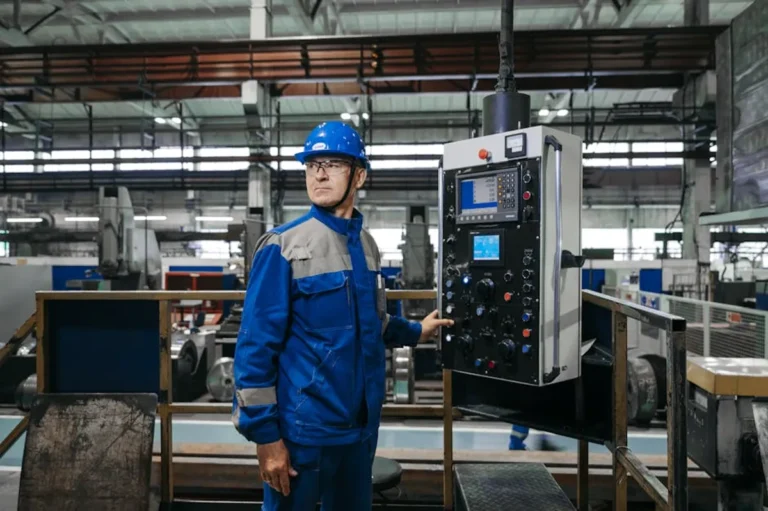
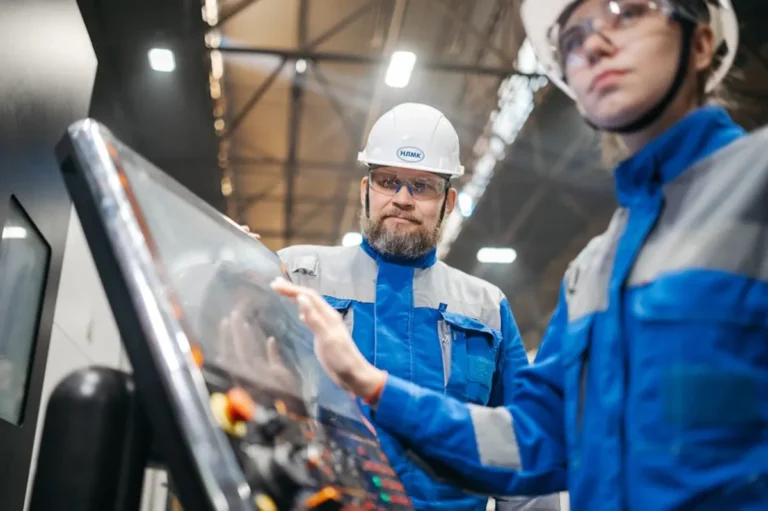
PPE serves as the last line of defense when engineering controls and administrative controls cannot fully eliminate a hazard. This includes safety glasses, hard hats, hearing protection, gloves, respirators, and specialized protective clothing. The selection of PPE must be based on a detailed hazard assessment, ensuring it provides adequate protection for the specific risks (e.g., chemical splash, impact, extreme temperatures). Proper fit, maintenance, and regular training on its correct use are essential to ensure PPE effectiveness. Never rely solely on PPE where engineering controls are feasible.
Application: Protecting workers from residual risks after other safety measures are in place, or for tasks where engineering controls are impractical.
Environmental Monitoring and Control
Industrial projects often involve environmental hazards that require continuous monitoring. This includes air quality (detection of toxic gases, dust, or volatile organic compounds), temperature, humidity, and noise levels. Systems can range from fixed sensors with alarms to portable monitoring devices. Control measures might include ventilation systems, dust collection, climate control, or noise dampening. Integrating these systems with central control platforms allows for real-time data analysis and automated responses, such as activating emergency ventilation or sounding evacuation alarms.
Valuable for: Managing atmospheric hazards, thermal stress, and noise pollution in enclosed or process-intensive industrial settings.
Pro Tip: When evaluating safety solutions, prioritize systems that offer diagnostic capabilities and clear fault reporting. A system that can self-diagnose and communicate issues, such as a failed sensor or an open interlock, allows for proactive maintenance and reduces the likelihood of undetected safety compromises. This real-time feedback is invaluable for maintaining continuous operational safety and minimizing unexpected downtime.
Vendor Selection and System Integration
The choice of safety equipment is intrinsically linked to the vendor providing it and their ability to integrate solutions effectively within your existing or planned infrastructure.
Supplier Expertise and Certifications
Select vendors with a proven track record in industrial safety and specific experience relevant to your project's sector. Look for suppliers whose products carry recognized safety certifications (e.g., UL, CE, TUV) and whose engineering teams demonstrate deep knowledge of safety standards and risk assessment methodologies. A supplier's ability to provide case studies from similar industrial applications can validate their practical expertise. Avoid vendors offering generic solutions without demonstrating an understanding of your specific operational context and hazards.
Key Indicator: Evidence of adherence to international safety standards and a strong portfolio of successful installations in comparable industrial environments.
Scalability and Future-Proofing
Industrial projects evolve, and safety systems must be designed with future expansion or process changes in mind. Choose modular systems that can be easily expanded or reconfigured without requiring a complete overhaul. Consider the compatibility of new safety components with existing machinery and control systems. Opt for open-architecture solutions where possible, facilitating integration with diverse equipment and avoiding vendor lock-in. This foresight reduces long-term costs and ensures safety measures remain relevant as operations scale.
Benefit: Minimizes future retrofitting expenses and maintains safety integrity through operational growth or technological upgrades.
Training and Support Requirements
Even the most advanced safety system is ineffective without proper training for the personnel who interact with it. A critical aspect of vendor selection is their provision of comprehensive training programs for operators, maintenance staff, and safety managers. This includes initial setup training, ongoing refresher courses, and documentation. Evaluate the vendor's technical support structure: availability (24/7?), response times, and access to qualified technicians. Reliable post-installation support is crucial for troubleshooting, system updates, and ensuring continuous operational safety.
Essential for: Ensuring all personnel understand safety protocols and equipment operation, and for rapid resolution of technical issues.
Implementing and Sustaining Safety Excellence
Effective factory safety extends beyond initial selection and installation; it requires continuous implementation, monitoring, and adaptation. Establish clear safety protocols and integrate them into daily operational procedures. Conduct regular safety audits and inspections to identify potential gaps or emerging hazards. Implement a robust incident reporting and investigation system to learn from near misses and actual incidents, using findings to refine safety measures. Foster a culture where every employee is empowered to identify and report safety concerns, and where safety is viewed as a shared responsibility rather than a compliance burden. Regular review of safety data, technological advancements, and regulatory changes ensures that your industrial project maintains a proactive and resilient safety posture.
Frequently Asked Questions
What is the primary difference between engineering controls and administrative controls in factory safety?
Engineering controls are physical modifications to the workplace or equipment that eliminate or reduce hazards at the source (e.g., machine guards, ventilation systems). Administrative controls are changes in work procedures or policies that reduce exposure to hazards (e.g., rotating job assignments, safety training, lockout/tagout procedures).
How often should a factory's safety protocols be reviewed and updated?
Safety protocols should be reviewed at least annually, or more frequently if there are significant changes in machinery, processes, materials, or regulations. Any incident or near-miss should also trigger an immediate review of relevant protocols.
What role does employee training play in overall factory safety?
Employee training is fundamental. It ensures that all personnel understand identified hazards, know how to operate safety equipment correctly, follow safe work procedures, and can respond appropriately in emergencies. Effective training reduces human error and fosters a proactive safety culture.
Can safety systems truly be "future-proofed" in a rapidly evolving industrial environment?
While complete future-proofing is challenging, choosing modular, scalable, and open-architecture safety systems significantly extends their lifespan and adaptability. This approach allows for easier integration of new technologies and modifications as industrial processes evolve, reducing the need for costly complete system replacements.