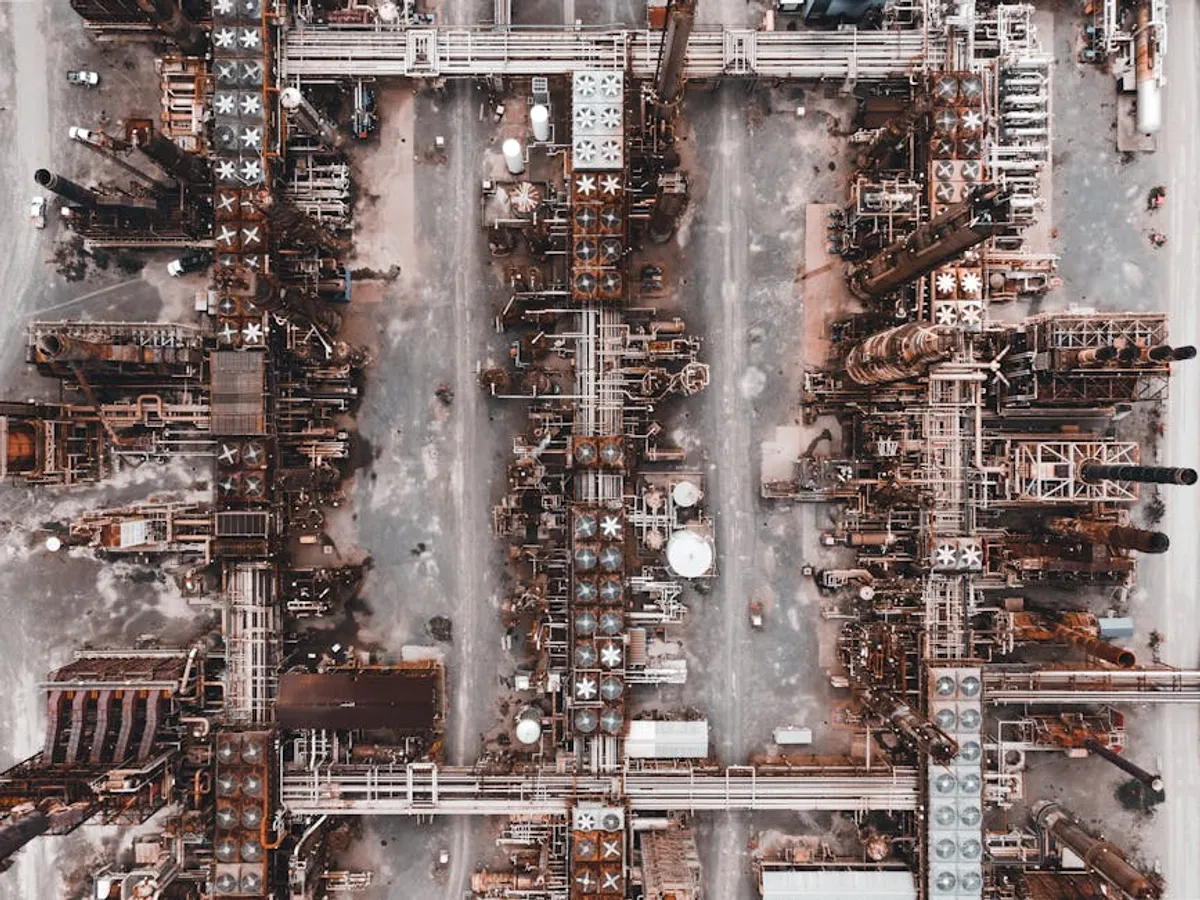
Factory environments inherently involve machinery, processes, and materials that present a constant array of potential hazards. For operations managers, facility owners, and safety professionals, navigating these risks effectively is not merely a matter of regulatory compliance; it’s a direct determinant of operational efficiency, financial stability, and workforce well-being. Overlooking common safety mistakes leads to more than just fines; it translates into lost production hours, increased insurance premiums, potential litigation, and a tangible erosion of employee trust and morale. Prioritizing proactive risk mitigation means understanding the pitfalls that most frequently undermine a safe working environment and implementing robust controls.
Inadequate Risk Assessment and Hazard Identification
A foundational error in many factory safety programs is an incomplete or superficial approach to risk assessment. This isn't about checking boxes; it's about systematically identifying every potential source of harm, evaluating its likelihood and severity, and then developing targeted controls.
Overlooking "Minor" Hazards
Many facilities focus heavily on high-impact, high-severity risks like machine entanglement or chemical spills, yet neglect seemingly minor issues. A loose cable, a small oil slick, or an improperly stacked box might appear insignificant individually, but they are frequent contributors to slips, trips, and falls—which account for a substantial percentage of workplace injuries. These "minor" hazards often accumulate, creating a cumulatively dangerous environment that is difficult to manage reactively.
Infrequent Reviews
Initial risk assessments are a starting point, not a final destination. Factories often make the mistake of conducting an assessment once and then failing to revisit it regularly. Operations evolve: new machinery is introduced, processes change, personnel shifts, and even facility layouts are modified. Each of these changes introduces new hazards or alters existing risk profiles. Without periodic, scheduled reviews—at least annually, or immediately after any significant operational change or incident—assessments quickly become outdated and ineffective.
Insufficient Machine Guarding and Lockout/Tagout Procedures
Machinery is central to factory operations, and its safe operation hinges on two critical elements: physical guarding and energy control.
Bypassing Safety Devices
A common, and often catastrophic, mistake is the intentional bypassing or removal of machine guards and interlocks. This can occur due to perceived inefficiencies, pressure to meet production targets, or a lack of understanding regarding the guard's protective function. Guards are not impediments; they are engineered controls designed to prevent contact with moving parts, pinch points, and other hazards. When operators or maintenance personnel circumvent these devices, they expose themselves and others to severe injury, including amputations or fatalities.
Improper LOTO Implementation
Lockout/Tagout (LOTO) procedures are designed to prevent unexpected startup or release of stored energy during maintenance or servicing. Mistakes here often include:
- Failure to identify all energy sources (electrical, hydraulic, pneumatic, mechanical, thermal).
- Incomplete de-energization or failure to verify zero energy state.
- Not applying individual locks and tags for each authorized employee.
- Inadequate training for employees on LOTO protocols, leading to procedural errors.
- Using LOTO devices for purposes other than energy control.
Each of these errors can lead to machinery activating while personnel are working on it, resulting in severe injury or death.
Poor Housekeeping and Workspace Organization
The general state of a factory floor directly correlates with its safety performance. Disorganization is not merely untidy; it's a hazard multiplier.
Cluttered Walkways and Exits
Allowing equipment, materials, or waste to accumulate in aisles, walkways, and near emergency exits creates immediate trip hazards and obstructs critical escape routes. In an emergency, clear pathways are essential for rapid evacuation. Blocked exits can trap personnel, turning a minor incident into a major catastrophe.
Unsecured Materials
Improper storage of materials, whether on shelves, pallets, or in staging areas, creates risks of falling objects. Overstacked pallets, items protruding into aisles, or unstable material stacks can collapse without warning, causing impact injuries or creating secondary hazards. Proper racking, clear height limits, and secure stacking protocols are non-negotiable.
Neglecting Personal Protective Equipment (PPE) Protocols
PPE serves as the last line of defense against workplace hazards, but its effectiveness is entirely dependent on correct selection, use, and maintenance.
Incorrect PPE Selection
One common mistake is a "one-size-fits-all" approach to PPE. Different tasks and areas within a factory require specific types of protection. For instance, standard safety glasses may not suffice where chemical splashes are a risk, requiring full-face shields or goggles. Similarly, hearing protection needs to be rated appropriately for specific decibel levels, and gloves must be chosen based on chemical resistance, cut protection, or thermal insulation needs. Incorrect PPE offers a false sense of security.
Lack of Enforcement and Training
Providing PPE is insufficient; employees must be trained on its proper use, limitations, and maintenance. Furthermore, consistent enforcement of PPE policies is crucial. If supervisors or management tolerate non-compliance, it quickly erodes the safety culture, leading to widespread disregard for protective measures.
PRO TIP: Implement a "Safety Walkthrough" program where management and employee representatives regularly tour the facility specifically looking for deviations from safety protocols. This proactive approach identifies emerging issues before they escalate and reinforces a shared commitment to safety.
Ineffective Emergency Preparedness and Response
Even with robust prevention, emergencies can occur. A factory's ability to respond effectively can mitigate harm and minimize disruption.
Outdated Evacuation Plans
Evacuation plans must be clear, well-communicated, and regularly practiced. Common mistakes include outdated floor plans, poorly marked exits, insufficient assembly points, or a lack of clarity on roles during an evacuation. Regular drills ensure that all employees know their routes and responsibilities, which is critical when visibility is low or panic sets in.
Untrained First Responders
Relying solely on external emergency services is a mistake. Factories should have a cadre of internal employees trained in first aid, CPR, and the use of automated external defibrillators (AEDs). Early intervention can significantly improve outcomes for injured personnel. Additionally, designated fire wardens or emergency coordinators need specific training to manage initial response efforts, including fire extinguisher use and coordinating with external responders.
Skipping Regular Training and Refresher Courses
Safety training is not a one-time event; it's an ongoing process that reinforces knowledge and adapts to new information.
One-Time Training Mentality
Many factories provide initial safety training during onboarding but then neglect ongoing education. Over time, knowledge fades, and new hazards or procedures may emerge. Regular refresher courses, ideally annually or biennially, are essential to keep safety principles top-of-mind and ensure compliance with evolving best practices.
Generic Training Content
Using generic, off-the-shelf safety training that doesn't directly relate to the specific hazards and processes of a particular factory is ineffective. Training should be tailored, using real-world examples from the facility, specific machinery, and actual incidents (or near-misses) to make the content relevant and impactful for employees.
Ignoring Ergonomic Risks
While often less dramatic than acute injuries, ergonomic risks can lead to chronic, debilitating conditions that significantly impact employee health and productivity.
Repetitive Strain Injuries
Tasks involving repetitive motions, awkward postures, or excessive force can lead to musculoskeletal disorders (MSDs) such as carpal tunnel syndrome, tendonitis, and back pain. Ignoring these risks means failing to assess workstations, tool design, and task sequencing for ergonomic improvements. Early intervention, including job rotation, adjustable workstations, and ergonomic tools, can prevent these long-term injuries.
Manual Handling Deficiencies
Improper lifting techniques, attempting to lift objects that are too heavy, or inadequate use of mechanical aids are common sources of back injuries and strains. Training on correct lifting practices, providing lifting equipment (hoists, pallet jacks, forklifts), and ensuring clear pathways for material movement are crucial to mitigate these risks.
Practical Steps for Proactive Safety Management
Moving beyond a reactive stance, factories can build robust safety frameworks by fostering a culture of continuous improvement. This involves:
- Regular Audits and Inspections: Beyond compliance, these identify emerging risks and ensure protocol adherence.
- Near-Miss Reporting: Encourage employees to report all near-misses without fear of reprisal, treating them as learning opportunities.
- Employee Involvement: Empower employees to identify hazards and suggest improvements; they are often closest to the operational risks.
- Invest in Technology: Utilize sensors, automation, and predictive analytics where appropriate to monitor conditions and prevent incidents.
- Clear Communication Channels: Ensure safety information, updates, and concerns can flow freely between all levels of the organization.
A proactive safety program views safety not as a separate department's responsibility but as an integral part of operational excellence, yielding tangible benefits in productivity, cost control, and workforce stability.
Frequently Asked Questions About Factory Safety
What are the immediate consequences of safety oversights?
Immediate consequences can include employee injuries, equipment damage, production downtime, regulatory fines, and increased workers' compensation costs. These often lead to significant financial and operational disruptions.
How often should safety audits be conducted?
Formal safety audits should ideally be conducted at least annually. However, internal inspections and informal walkthroughs should occur much more frequently, even daily or weekly, to catch minor issues before they escalate.
What role does employee involvement play in safety?
Employee involvement is critical. Workers on the factory floor often have the most direct knowledge of hazards and practical solutions. Encouraging their participation in hazard identification, risk assessments, and safety committee meetings fosters a stronger safety culture and more effective controls.
Can technology improve factory safety?
Yes, technology can significantly enhance safety. Examples include smart PPE with sensors, automated machine guarding, predictive maintenance systems to prevent equipment failure, remote monitoring of hazardous areas, and virtual reality (VR) for realistic safety training simulations.