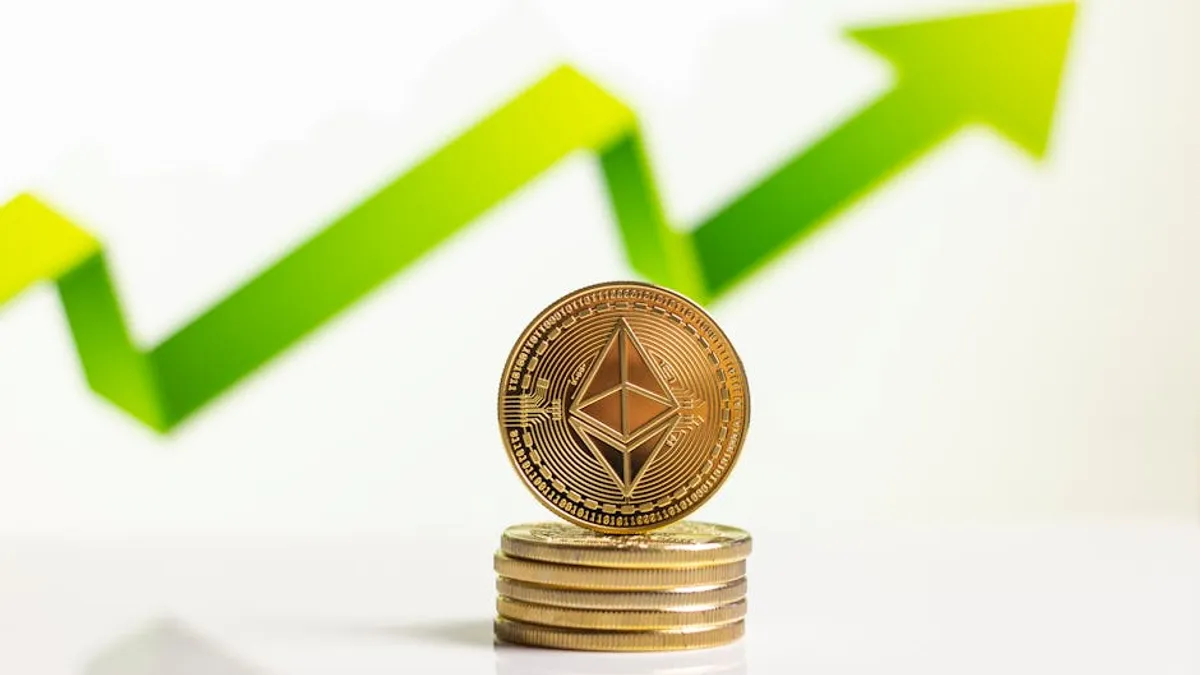
Projecting the price trajectory of a volatile asset like Ethereum (ETH) three years into the future, specifically to 2026, requires navigating a complex interplay of technological development, market sentiment, macroeconomic forces, and regulatory evolution. Unlike traditional equities, digital assets operate within a nascent, rapidly changing landscape, where fundamental value is often tied to network utility and adoption rather than conventional earnings. For stakeholders considering ETH's potential in 2026, the focus must shift beyond simple speculative forecasts to a detailed analysis of the underlying ecosystem's resilience, innovation, and capacity to integrate into broader global financial and technological frameworks. Understanding these drivers and associated risks provides a more robust framework for evaluating long-term prospects.
Ethereum's Foundational Strengths Shaping 2026
Ethereum’s long-term value proposition is rooted in its status as the leading smart contract platform, fostering a vast decentralized application (dApp) ecosystem. Its continued development and network effects are critical indicators for its 2026 outlook.
Network Upgrades and Scalability
The transition to a Proof-of-Stake (PoS) consensus mechanism, completed with The Merge, positioned Ethereum for future scalability enhancements. The roadmap for 2026 includes further upgrades, notably sharding, which aims to distribute network load across multiple chains, significantly increasing transaction throughput and reducing fees. Progress on these upgrades directly impacts Ethereum's ability to handle mainstream adoption and maintain its competitive edge against newer, faster Layer 1 blockchains. Delays or technical hurdles in sharding implementation could temper enthusiasm.
Decentralized Finance (DeFi) Ecosystem Growth
Ethereum remains the dominant chain for decentralized finance (DeFi), hosting the majority of Total Value Locked (TVL) across lending protocols, decentralized exchanges (DEXs), and stablecoins. By 2026, the maturity of DeFi protocols, coupled with improved user interfaces and regulatory clarity, could attract a new wave of institutional and retail participants. The emergence of real-world assets (RWAs) on-chain, facilitated by Ethereum, also represents a significant growth vector, bridging traditional finance with the crypto economy.
Non-Fungible Tokens (NFTs) and Web3 Integration
While the NFT market saw speculative peaks, its underlying technology continues to find utility beyond digital art, extending to gaming, digital identity, and intellectual property management. Ethereum's role as the primary settlement layer for high-value NFTs and its integration into emerging Web3 infrastructure positions it for continued relevance. Enterprise adoption of blockchain technology, often leveraging Ethereum-based solutions for supply chain, data management, and tokenization, will also contribute to network demand and perceived value.
Institutional Adoption and Regulatory Clarity
Increasing institutional interest, evidenced by asset managers offering Ethereum-based products and corporations exploring blockchain solutions, lends credibility and capital to the ecosystem. The potential approval of spot Ethereum Exchange-Traded Funds (ETFs) in major markets could unlock significant investment flows. Simultaneously, evolving regulatory frameworks, while potentially introducing compliance burdens, could also provide the legal certainty necessary for broader institutional and corporate engagement, reducing perceived risk for large-scale investors.
Key Risks and Headwinds to Monitor
Despite its strengths, Ethereum faces several significant risks that could impact its price and adoption by 2026. These are not merely speculative concerns but fundamental challenges that require ongoing attention.
Regulatory Uncertainty
The lack of a harmonized global regulatory approach to digital assets creates an environment of uncertainty. Jurisdictions may classify ETH differently, imposing varying tax treatments, KYC/AML requirements, or even outright bans on certain activities. An adverse regulatory ruling in a major economic bloc could trigger market corrections and stifle innovation within that region, impacting global sentiment and liquidity.
Macroeconomic Conditions
Global economic health, including inflation rates, interest rate policies by central banks, and geopolitical stability, directly influences risk-on assets like cryptocurrencies. In a high-interest-rate environment or during economic downturns, investors typically de-risk, moving capital out of speculative assets. Persistent inflation or a prolonged global recession could suppress demand for digital assets, including ETH, through 2026.
Competitive Landscape
Ethereum's dominance is continually challenged by rival Layer 1 blockchains offering faster transaction speeds, lower fees, or specialized functionalities. While Ethereum benefits from network effects, sustained innovation and user migration to alternative platforms could fragment the dApp ecosystem. The success of Layer 2 solutions, designed to scale Ethereum, is crucial; if these fail to deliver effectively, users might seek entirely different base layers.
Security Vulnerabilities and Exploits
The complexity of smart contracts and decentralized protocols introduces inherent security risks. Exploits, hacks, or critical bugs in core Ethereum infrastructure or popular dApps could lead to significant financial losses, erode user trust, and trigger market sell-offs. While the developer community is robust, the immutable nature of blockchain transactions means that once an exploit occurs, recovery is often difficult or impossible.
Pro Tip: Evaluate Ethereum's 2026 outlook by focusing on its utility growth, not just price charts. Network upgrades, developer activity, and institutional adoption are more reliable long-term indicators than short-term market sentiment. Diversify exposure and align investment horizons with the asset's development roadmap.
On-Chain and Off-Chain Metrics to Track
Monitoring specific data points provides a more granular view of Ethereum's health and potential trajectory towards 2026. These metrics offer insights into network adoption, developer activity, and market sentiment:
- Total Value Locked (TVL) in DeFi: Indicates the capital committed to decentralized applications on Ethereum. Consistent growth suggests increasing utility and trust.
- Active Addresses: Reflects the number of unique addresses interacting with the network. A rising trend signifies growing user engagement.
- Transaction Volume and Fees: High transaction volume and sustained fee generation (even after EIP-1559 burn) indicate strong network demand and economic activity.
- Staking Ratio: The percentage of ETH locked in staking contracts. A higher ratio suggests long-term conviction from holders and reduced circulating supply.
- Developer Activity: The number of developers contributing to Ethereum's core protocol and dApp ecosystem. Robust activity points to ongoing innovation and security enhancements.
- Exchange Inflows/Outflows: Net movements of ETH to or from centralized exchanges can signal buying or selling pressure. Significant outflows often suggest long-term holding intentions.
- Institutional Investment Products: Tracking capital flows into regulated products like Grayscale Ethereum Trust or potential spot ETFs provides insight into institutional appetite.
Strategic Considerations for 2026
For those assessing Ethereum's position in 2026, a strategic lens emphasizes long-term fundamentals over transient market fluctuations. The core value proposition of Ethereum rests on its capacity to serve as a global, decentralized settlement layer for a wide array of applications. This involves not only technological advancements but also the cultivation of a resilient developer community and a receptive regulatory environment.
Focusing on the continued evolution of Layer 2 scaling solutions, the integration of real-world assets, and the expansion of enterprise blockchain use cases built on Ethereum will provide a more grounded perspective. Diversifying digital asset portfolios to mitigate single-asset risk remains a prudent approach, even for a dominant platform like Ethereum. Staying informed about global regulatory shifts and their potential impact on the broader crypto market is also essential for navigating the landscape through 2026.
Frequently Asked Questions
What factors most influence ETH price?
ETH's price is primarily influenced by network utility and adoption (e.g., DeFi TVL, NFT activity), major network upgrades (like sharding), macroeconomic conditions, regulatory developments, and the competitive landscape from other Layer 1 blockchains.
Is 2026 a realistic timeframe for significant ETH growth?
Given the ongoing network upgrades aimed at scalability and efficiency, and the potential for increased institutional adoption and regulatory clarity, 2026 presents a plausible timeframe for continued growth, assuming positive developments in these areas and favorable macroeconomic conditions.
How does ETH's upgrade path affect its value?
Successful execution of Ethereum's upgrade path, particularly sharding, is critical. These upgrades enhance scalability, reduce transaction costs, and improve network security, directly increasing its utility and attractiveness for developers and users, which can positively impact its long-term value.