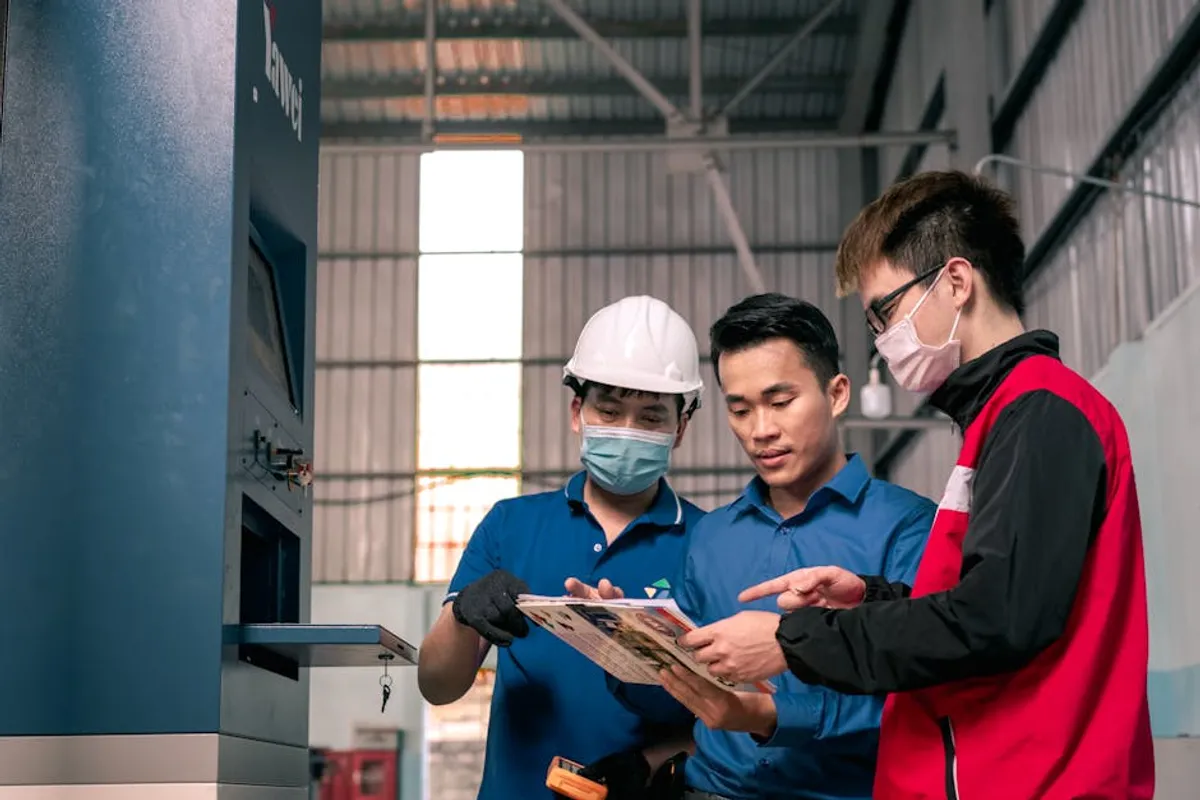
For buyers, understanding factory safety extends beyond mere compliance; it directly impacts supply chain stability, brand reputation, and long-term financial viability. When sourcing products or evaluating potential manufacturing partners, a factory's commitment to safety protocols is a critical indicator of its operational maturity, ethical standards, and risk management capabilities. Overlooking these aspects can lead to significant disruptions, legal liabilities, and irreparable damage to a brand's public image. This guide outlines the essential considerations for buyers to effectively assess and prioritize factory safety in their procurement decisions.
Understanding the Buyer's Stake in Factory Safety
A factory's safety record is not an isolated operational detail; it is a fundamental component of its overall reliability and suitability as a partner. Buyers who prioritize safety are not just adhering to ethical sourcing guidelines; they are actively mitigating a range of business risks. These risks include:
- Supply Chain Disruption: Accidents, fires, or regulatory shutdowns due to safety violations can halt production, delay shipments, and cripple a buyer's ability to meet market demand.
- Reputational Damage: Association with factories experiencing severe safety incidents or worker exploitation can lead to negative media coverage, consumer boycotts, and a loss of brand trust.
- Legal and Financial Liabilities: In some jurisdictions, buyers can be held indirectly responsible for unsafe working conditions within their supply chain, leading to fines, lawsuits, and increased insurance premiums.
- Product Quality and Consistency: A factory that prioritizes safety often demonstrates a higher standard of operational control, which correlates with better process management and consistent product quality.
- Employee Turnover and Morale: Unsafe environments lead to higher worker turnover, impacting production efficiency, product expertise, and overall workforce stability.
Proactive assessment of factory safety provides buyers with a clearer picture of a supplier's operational integrity and long-term sustainability.
Key Areas for Assessing Factory Safety
Adherence to Industry Standards and Certifications
Buyers should scrutinize a factory’s adherence to recognized national and international safety standards. These certifications are not merely badges; they represent a structured approach to safety management. Look for evidence of compliance with standards such as ISO 45001 (Occupational Health and Safety Management System), OHSAS 18001 (though largely superseded by ISO 45001), or specific industry-related certifications. Verification should go beyond simply requesting certificates; buyers need to understand the scope and recency of these audits.
Considerations:
- Validity and Scope: Ensure certifications are current and cover the specific processes or products relevant to your engagement.
- Auditing Body: Independent, reputable third-party auditors lend greater credibility to certifications.
- Corrective Actions: Request summaries of past audit findings and the corrective actions implemented.
Robust Safety Management Systems
A strong safety culture is underpinned by a well-documented and actively managed safety system. This includes clear policies, defined responsibilities, and a systematic approach to identifying, assessing, and controlling hazards. Buyers should inquire about the factory’s Safety Management System (SMS) and its components.
Key elements to evaluate:
- Safety Policy: A written commitment from leadership outlining safety objectives and responsibilities.
- Risk Assessment Procedures: How hazards are identified, risks evaluated, and control measures implemented.
- Incident Reporting and Investigation: A structured process for reporting near misses and accidents, thorough investigation, and implementation of preventative actions.
- Safety Committee: Evidence of an active committee with worker representation, meeting regularly to discuss safety issues.
Equipment Safety and Maintenance Protocols
Machinery and equipment are primary sources of industrial hazards. Buyers must confirm that factories have stringent protocols for equipment safety and maintenance. This includes regular inspections, preventative maintenance schedules, and proper safeguarding of machinery.
Inquire about:
- Preventative Maintenance Schedules: Documentation of routine servicing and calibration for critical equipment.
- Machine Guarding: Verification that all moving parts, pinch points, and dangerous areas are adequately guarded according to regulations.
- Lockout/Tagout (LOTO) Procedures: Protocols for safely de-energizing equipment during maintenance or repair to prevent accidental startup.
- Equipment Certification: Confirmation that equipment meets relevant safety standards and is regularly inspected by qualified personnel.
Emergency Response and Preparedness
Even with robust preventative measures, emergencies can occur. A factory's ability to respond effectively can minimize harm and disruption. Buyers should assess the factory's emergency preparedness plans.
Essential components:
- Emergency Evacuation Plans: Clearly marked exits, assembly points, and documented procedures.
- Fire Safety Systems: Functional fire alarms, sprinklers, extinguishers, and regular drills.
- First Aid and Medical Response: Trained first aid personnel, well-stocked first aid stations, and arrangements for external medical support.
- Hazardous Material Spill Response: Procedures and equipment for safely containing and cleaning up chemical spills.
Worker Training and Safety Culture
The most sophisticated systems are ineffective without a workforce trained to use them and a culture that prioritizes safety. Buyers should look for evidence of ongoing safety training and a proactive safety culture.
Indicators of a strong safety culture:
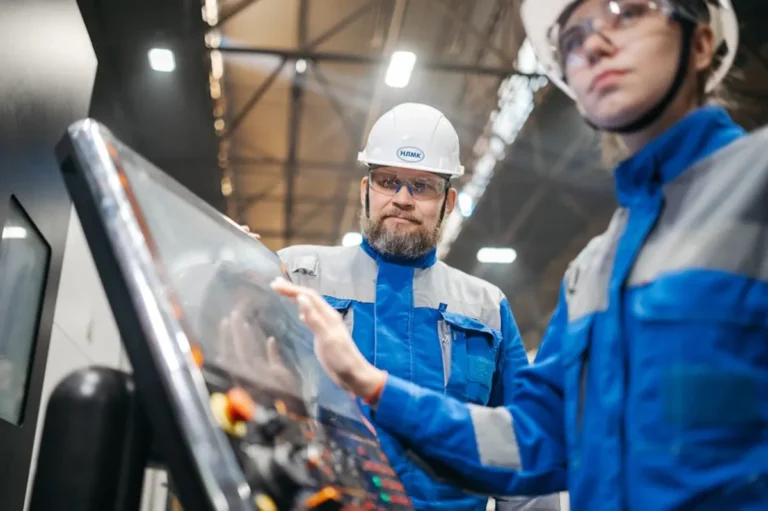
- Regular Safety Training: Documentation of initial and refresher training for all employees, including new hires, on specific hazards and safety procedures.
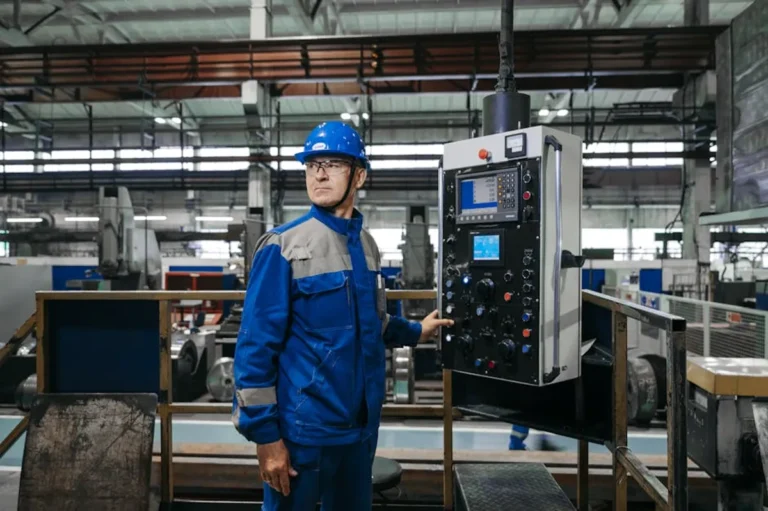
- Personal Protective Equipment (PPE): Consistent provision and mandatory use of appropriate PPE for all tasks.
- Open Communication: Channels for workers to report hazards or suggest safety improvements without fear of reprisal.
- Management Commitment: Visible leadership involvement in safety initiatives and resource allocation.
Chemical and Hazardous Material Management
Factories handling chemicals or hazardous materials require specific safety protocols. Buyers should ensure these materials are stored, handled, and disposed of according to strict regulations.
Points of verification:
- Material Safety Data Sheets (MSDS/SDS): Availability and accessibility of SDS for all chemicals used.
- Proper Storage: Segregated, well-ventilated, and secured storage areas for hazardous materials.
- Spill Containment: Equipment and procedures for containing and cleaning up chemical spills.
- Waste Disposal: Compliance with environmental regulations for hazardous waste disposal.
Pro Tip for Buyers: Do not rely solely on self-reported data or paper documentation. Conduct unannounced or semi-announced site visits and engage directly with workers (through interpreters if necessary) to observe actual safety practices and gauge the prevailing safety culture. Discrepancies between documented policies and observed practices are critical red flags.
Actionable Insights for Buyer Evaluation
When evaluating potential factory partners, integrate safety considerations into your standard due diligence process. Develop a comprehensive checklist that covers the areas outlined above. Prioritize factories that demonstrate transparency, a proactive approach to safety, and a willingness to invest in continuous improvement. Remember that a factory's safety performance is a reflection of its overall management quality and its commitment to long-term, sustainable operations.
Frequently Asked Questions
What is the primary benefit for buyers prioritizing factory safety?
The primary benefit is significant risk mitigation across supply chain disruption, reputational damage, legal liabilities, and inconsistent product quality, safeguarding both the buyer's brand and financial stability.
How can buyers verify a factory's safety claims?
Buyers should request third-party certifications (e.g., ISO 45001), review audit reports, examine incident logs and corrective action plans, and conduct direct site visits to observe actual safety practices and worker training.
What is a "safety culture" and why is it important for buyers?
A safety culture is the shared values, beliefs, and practices that prioritize safety within a factory. It is crucial because it indicates whether safety protocols are genuinely embraced by all employees, from management to the shop floor, ensuring consistent adherence even when not directly supervised.
Should buyers consider worker welfare as part of factory safety?
Yes, worker welfare is intrinsically linked to factory safety. Fair working hours, adequate breaks, proper sanitation, and access to grievance mechanisms contribute to a healthier, more alert workforce, which directly reduces the likelihood of accidents and improves overall safety outcomes.