The 2025 steel pricing cycle has departed from established patterns in ways warranting careful examination. The departure is not principally a function of any single driver; several structural factors appear to operate concurrently, producing pricing dynamics inconsistent with cyclical models that have served reasonably well in prior periods. The implications for medium-term forecasting and for firms with material steel exposure are consequential.
The observable departure
Steel pricing has historically exhibited cyclical behaviour linked to industrial production indices, raw material costs (principally iron ore and coking coal), and capacity utilisation rates. These linkages, though imperfect, have produced reasonably reliable medium-term forecasting frameworks.
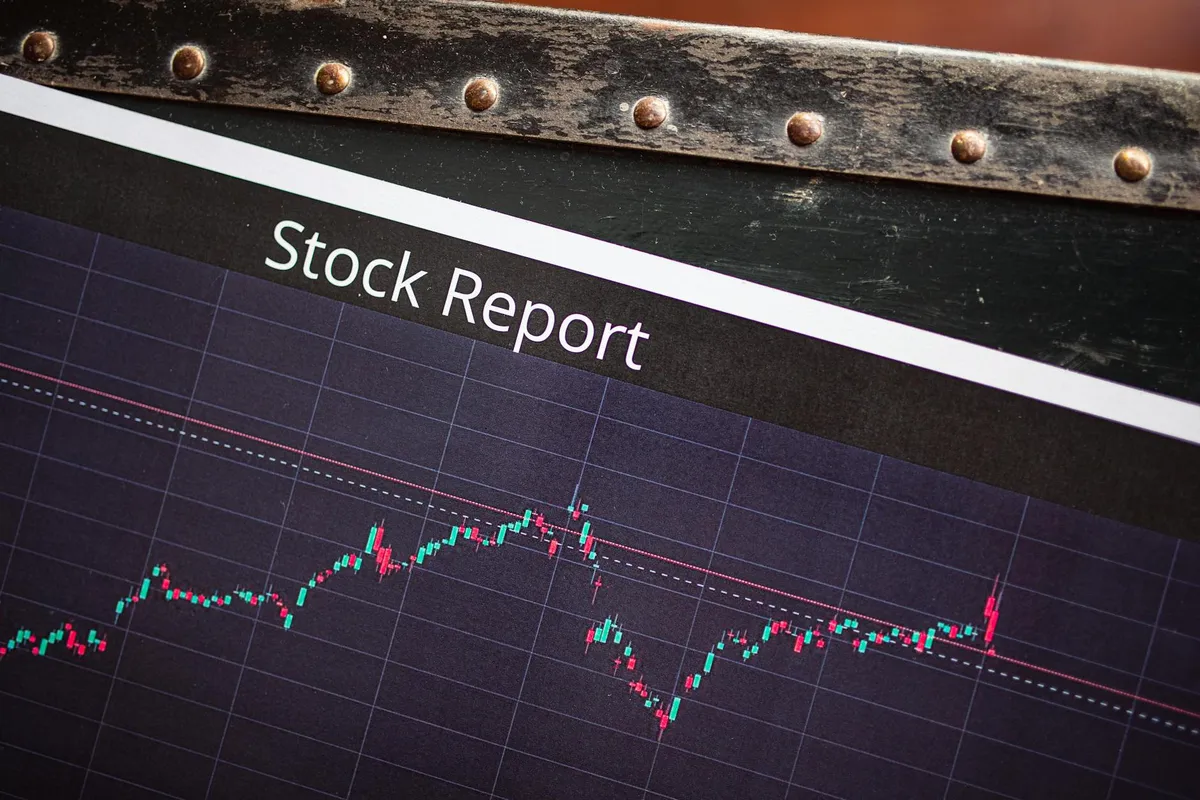
Through 2025, the established correlations have weakened. Hot-rolled coil pricing in particular has moved in directions and magnitudes inconsistent with what underlying demand and cost indicators would historically suggest. The divergence is not isolated to a single market; it appears across major North American, European, and Asian benchmarks, though with different intensities.
Three concurrent structural factors
Examination of the underlying drivers suggests three structural factors operating concurrently.
The first is the persistent effect of capacity reorganisation. The closure of older blast furnace capacity in several markets, partially offset by EAF capacity expansion, has produced a steel industry with different underlying cost structures and different responsiveness to demand changes than the industry of even five years ago. Pricing models calibrated to historical capacity profiles produce systematic errors in the new environment.
The second is the increasing influence of carbon-pricing mechanisms in major markets. The European Union's Carbon Border Adjustment Mechanism, comparable measures under consideration in other jurisdictions, and direct carbon pricing affecting domestic producers have introduced cost differentials between higher-carbon and lower-carbon production that did not previously exist at material magnitudes. Pricing increasingly reflects production-method considerations beyond traditional input costs.
The third is the persistent effect of trade-policy interventions discussed in the previous section. The fragmentation of global trade has produced regional pricing differentials wider than historical norms and has reduced the speed at which arbitrage equalises pricing across markets.
The duration question
Whether these structural factors produce a stable new pricing regime or continue to evolve is a question contemporary analysis cannot fully resolve. Several considerations bear on the question.
The capacity reorganisation appears largely complete in major markets, though incremental adjustments continue. The structural shift it has produced is likely durable.
The carbon-pricing trajectory remains uncertain. Mechanisms in implementation have been politically contested in multiple jurisdictions; their durability over the medium term is not fully established. The pricing impact has been substantial where implemented; the extent to which similar measures expand or are rolled back will materially affect future pricing dynamics.
The trade-policy environment shows few signs of reverting to the more open conditions of prior decades. Persistent fragmentation appears the more likely scenario over the medium term.
Implications for forecasting
For firms relying on steel-pricing forecasts in capital allocation decisions, the data suggests several adjustments to forecasting practice.
Reliance on historical regression-based models calibrated to pre-2022 data is likely to produce systematically biased forecasts. The structural breaks identified above have changed the underlying relationships such models depend on.
Scenario analysis, considering multiple plausible futures rather than producing point forecasts, is likely to be more useful than single-trajectory forecasting. The genuine uncertainty in the current environment exceeds what point forecasts adequately convey.
Sensitivity analysis around carbon-pricing trajectories has become substantively material. Project economics for steel-intensive projects can vary meaningfully depending on assumed carbon-pricing paths; this variability should be examined explicitly rather than absorbed into other model uncertainties.
Forecasts at sub-national or regional level have become more useful relative to global aggregates. The pricing differentials between markets have widened to the point where the average global steel price tells less than it did in periods of more integrated markets.
Implications for procurement
Procurement strategies in steel-intensive industries are similarly affected by the changed pricing environment.
Long-term contracts have become more valuable than in prior periods, both for buyers seeking pricing stability and for suppliers seeking volume security. The shift toward longer commitment horizons is observable in trade publications and in the contracting practices of major industrial buyers.
Hedging programs designed around historical price volatility patterns may be inadequately calibrated to current volatility. Firms operating active hedging programs would benefit from explicit recalibration based on more recent price-distribution data rather than continuing to operate on parameters established under prior conditions.
Supplier diversification — increasing the number of qualified suppliers and the geographic distribution of those suppliers — has provided meaningful protection during periods of pricing dislocation in the current environment. The cost of diversification is real but, in the current environment, has typically been outweighed by the protection it provides.
What the longer historical record suggests
The current steel-pricing environment, while unusual relative to recent history, is not without precedent in the longer historical record. Periods of trade-policy intervention, capacity reorganisation, and shifting cost structures have occurred multiple times across the industry's history. Each has produced multi-year periods during which pricing models calibrated to the prior environment performed poorly, before new models calibrated to the changed environment emerged.
The current environment appears to be such a period. The principal implication, for firms operating in steel-exposed industries, is the value of analytical humility: recognising that the current environment has shifted enough that confident forecasting on the basis of recent patterns is more difficult than it was several years ago, and adjusting decision-making frameworks accordingly.
The firms that adapt their analytical and procurement frameworks to the changed environment will, on the historical pattern, be better positioned than those that continue to operate on assumptions that were valid in earlier periods. The discipline required is not principally analytical sophistication but rather analytical honesty about what current models can and cannot reliably predict.