Sourcing galvanized steel requires meticulous attention to detail, as the material's performance directly impacts structural integrity, longevity, and project costs. The decision extends beyond simply finding the lowest price; it involves understanding technical specifications, manufacturing processes, quality assurance, and logistical capabilities. Asking the right questions upfront minimizes risks, ensures material suitability for specific applications, and establishes a reliable supply chain. A thorough inquiry process helps differentiate between suppliers who merely quote prices and those who offer genuine value through quality, consistency, and service. Understanding these elements helps in establishing a reliable supply chain for your galvanized steel needs.
Before engaging with suppliers, clearly define your project's precise requirements. This includes the intended application of the galvanized steel, the environmental conditions it will face, required mechanical properties (e.g., tensile strength, yield strength), and any specific forming or welding processes it will undergo. Understanding these internal needs allows for more targeted questions and a more accurate evaluation of supplier responses. Prepare a concise specification sheet to share with potential suppliers, ensuring all parties operate from the same technical baseline. This proactive approach streamlines communication and helps identify suppliers who can genuinely meet your demands.
1. What are the exact material specifications and coating requirements?
This question establishes the foundational technical details of the galvanized steel. Understanding the specific steel grade (e.g., ASTM A653, EN 10346 DX51D+Z), base metal thickness, yield strength, tensile strength, and particularly the zinc coating thickness (e.g., G60, Z275, or coating weight in g/m²) is critical for ensuring the material meets the structural and environmental demands of the end application. Different applications require varying levels of corrosion resistance, formability, and weldability, all directly impacted by these specifications. Without precise adherence, project longevity and structural integrity can be compromised.
Best For: Projects with defined engineering specifications, applications in corrosive environments, or instances where material performance directly impacts safety or regulatory compliance.
Pros:
- Ensures material suitability for specific applications, preventing premature failure.
- Facilitates direct comparison between supplier offerings based on verifiable technical data.
- Reduces risks associated with material non-conformance and potential project delays or rework.
Cons:
- Requires the buyer to have a clear understanding of their own project's technical needs to interpret the answers effectively.
- Suppliers might use proprietary designations that require clarification or cross-referencing with international standards.
- Over-specifying can lead to unnecessary cost increases if a less robust (and cheaper) material would suffice.
Verdict: This is a non-negotiable question. Precise material and coating specifications form the bedrock of a successful galvanized steel procurement, directly influencing performance, longevity, and cost-effectiveness.
2. Which galvanization process do you use, and what are its implications for my application?
Galvanized steel can be produced through several methods, primarily hot-dip galvanizing (batch or continuous) and electro-galvanizing. Each process yields different coating characteristics, affecting adhesion, uniformity, thickness, and surface finish. Hot-dip galvanizing typically produces a thicker, more durable coating suitable for harsh environments, while electro-galvanizing offers a thinner, smoother finish often preferred for aesthetic applications or those requiring precise forming. Understanding the supplier's process helps determine if the resulting product aligns with the required corrosion protection, aesthetic standards, and post-processing needs (e.g., painting, bending).
Best For: Buyers with specific aesthetic requirements, demanding forming operations, or applications where coating integrity during fabrication is paramount.
Pros:
- Ensures the coating's properties (thickness, adhesion, surface finish) are appropriate for the end use.
- Helps predict how the material will behave during fabrication processes like bending, welding, or deep drawing.
- Clarifies potential limitations or advantages of the coating type for specific environmental exposures.
Cons:
- Requires some technical knowledge of galvanization processes to fully appreciate the distinctions.
- Suppliers may favor one process, potentially limiting options if a different method is preferred.
- The cost implications vary significantly between processes, impacting budget considerations.
Verdict: This question moves beyond basic specs to the manufacturing method, providing crucial context for material performance, fabrication suitability, and long-term durability expectations.
3. What quality control procedures and testing protocols are in place?
Quality control (QC) is paramount for galvanized steel. Inquire about the supplier's QC measures throughout their production cycle, from raw material inspection to final product testing. This includes details on coating thickness measurement (e.g., magnetic induction, X-ray fluorescence), adhesion tests, bend tests, and surface finish inspections. Ask about their statistical process control (SPC) methods and how they handle non-conforming materials. A robust QC system indicates a commitment to consistent product quality and reduces the likelihood of receiving defective material.
Best For: Any project where material reliability is critical, high-volume orders requiring consistent quality, or applications with strict regulatory compliance.
Pros:
- Provides assurance of consistent product quality and adherence to specifications.
- Identifies suppliers with a proactive approach to defect prevention rather than just detection.
- Reduces the risk of costly rework, delays, and reputational damage due to substandard materials.
Cons:
- Detailed QC information can be complex; requires the buyer to understand relevant testing standards.
- Some suppliers may be reluctant to share proprietary QC data or process details.
- Verifying the effectiveness of stated QC procedures often requires site visits or third-party audits.
Verdict: A transparent and comprehensive QC program is a strong indicator of a reliable supplier. This question helps vet their operational integrity and commitment to product excellence.
4. Can you provide certifications and compliance documentation?
Request documentation such as Mill Test Certificates (MTCs or MTRs), which confirm the chemical composition and mechanical properties of the steel, and certificates of conformity to relevant international standards (e.g., ASTM, EN, JIS). Inquire about ISO 9001 certification for quality management systems and any environmental certifications (e.g., ISO 14001). For specific industries, ask about compliance with sector-specific regulations (e.g., construction codes, automotive standards). These documents provide objective evidence that the material meets specified requirements and that the supplier operates under recognized quality management principles.
Best For: Projects requiring strict regulatory adherence, international trade, or those with stringent traceability requirements.
Pros:
- Provides verifiable proof of material quality and adherence to industry standards.
- Facilitates compliance with regulatory bodies and client-specific requirements.
- Enhances traceability, allowing for investigation if issues arise post-delivery.
Cons:
- Reviewing multiple certifications can be time-consuming and requires familiarity with various standards.
- Some certifications may be outdated or not directly relevant to all specific product lines.
- Reliance solely on certificates without verifying the supplier's actual practices can be misleading.
Verdict: Certifications are essential for establishing trust and ensuring compliance. This question is critical for due diligence and risk mitigation, especially in regulated industries.
5. What are your typical lead times and production capacity for my order volume?
Understanding a supplier's lead times and production capacity is crucial for project planning and inventory management. Inquire about standard lead times for your specific product type and quantity, including any variations for custom orders or peak seasons. Ask about their maximum daily, weekly, or monthly production capacity to ensure they can consistently meet your demand without sacrificing quality or experiencing delays. Discuss their ability to handle rush orders or unexpected increases in volume. This helps assess their reliability as a long-term partner and their ability to prevent supply chain disruptions.
Best For: Projects with tight deadlines, high-volume recurring orders, or those requiring just-in-time inventory management.
Pros:
- Enables accurate project scheduling and resource allocation.
- Helps avoid costly production delays due to material shortages.
- Identifies suppliers capable of scaling with your business needs.
Cons:
- Lead times can fluctuate based on market conditions, raw material availability, or other customer demands.
- Stated capacities might not always reflect actual deliverable output under all circumstances.
- Over-reliance on a single supplier's capacity without backup options can create vulnerability.
Verdict: This question directly impacts project timelines and operational efficiency. A supplier with transparent and reliable lead times and sufficient capacity is invaluable for maintaining consistent production schedules.
6. How do you handle packaging, shipping, and logistics?
Galvanized steel requires careful handling and packaging to prevent damage during transit. Inquire about their standard packaging methods (e.g., steel strapping, waterproof wrapping, wooden skids), whether they offer specialized packaging for specific needs (e.g., export packaging), and how they ensure material protection against corrosion, scratches, or deformation. Discuss their shipping options, preferred carriers, and ability to handle various incoterms (e.g., FOB, CIF, DDP). Clarify responsibilities for freight costs, insurance, and customs documentation if applicable. Effective logistics minimize transit damage and ensure timely, cost-effective delivery.
Best For: International procurement, delicate material types, or projects with remote delivery locations.
Pros:
- Minimizes risk of material damage during transportation, reducing claims and rework.
- Ensures smooth customs clearance and compliance for international shipments.
- Provides clarity on total landed costs and delivery responsibilities.
Cons:
- Specialized packaging can increase costs, requiring a cost-benefit analysis.
- Reliance on third-party logistics providers introduces variables outside the supplier's direct control.
- Complex international shipping requires deep understanding of regulations and documentation.
Verdict: Proper packaging and logistics are critical for receiving material in usable condition and on schedule. This question addresses the practicalities of getting the product from their facility to yours.
7. What is your pricing structure, and what are your payment terms?
Beyond the unit price, understand the full pricing structure. Ask about potential volume discounts, surcharges for specific finishes or processing, and how raw material price fluctuations (e.g., zinc, steel coil) are managed (e.g., fixed pricing for a period, index-linked adjustments). Clarify payment terms (e.g., net 30, letter of credit, upfront deposit) and any discounts for early payment. Understand their policy on price adjustments for long-term contracts. Transparent pricing and flexible payment terms are indicators of a fair and commercially viable partnership.
Best For: Long-term supply agreements, large volume purchases, or businesses seeking predictable material costs.
Pros:
- Provides a clear understanding of total acquisition costs, aiding budget management.
- Allows for negotiation of favorable payment terms, improving cash flow.
- Helps anticipate and manage potential price volatility in raw material markets.
Cons:
- Pricing can be complex with various surcharges, requiring careful review.
- Payment terms might be rigid, especially for new customers or smaller orders.
- Market volatility can make long-term fixed pricing challenging for suppliers.
Verdict: This question is fundamental to the commercial viability of the relationship. It ensures financial transparency and helps secure terms that align with your business's financial strategy.
8. What are your minimum order quantities (MOQ) and maximum order quantities?
Suppliers often impose MOQs to ensure production efficiency and profitability. Inquire about their standard MOQs for different galvanized steel products and sizes. Understand if they offer flexibility for smaller trial orders or prototyping. Conversely, ask about their maximum order capacity to ensure they can fulfill your largest requirements without strain. This information is crucial for inventory planning, especially for smaller businesses or projects with fluctuating demand. A supplier with flexible MOQs can be a significant advantage for managing inventory costs and avoiding overstocking.
Best For: Small and medium-sized enterprises, prototyping phases, or projects with variable demand patterns.
Pros:
- Helps manage inventory levels and avoid unnecessary capital tie-up in excess stock.
- Facilitates trial orders and product development without committing to large volumes.
- Ensures the supplier can scale production to meet both small and large project demands.
Cons:
- High MOQs can exclude smaller buyers or make prototyping expensive.
- Suppliers might charge a premium for orders below their standard MOQ.
- Limited maximum capacity could pose a risk for rapidly scaling projects.
Verdict: Understanding MOQs and maximum capacities is vital for aligning supplier capabilities with your purchasing strategy and avoiding procurement bottlenecks.
9. What is your policy on returns, claims, and warranties for defective material?
Even with stringent QC, issues can arise. Clarify the supplier's process for handling material defects, non-conformances, or discrepancies. Ask about their claims procedure, required documentation, and typical resolution times. Understand their warranty period and what it covers (e.g., coating integrity, material defects). A clear and fair policy on returns and claims demonstrates a supplier's commitment to customer satisfaction and provides recourse if problems occur. This question addresses risk management and ensures you have a defined path for resolution.
Best For: All buyers, particularly those with critical applications where material failure is costly or hazardous.
Pros:
- Provides a clear framework for addressing and resolving potential quality issues.
- Offers protection against financial losses due to defective material.
- Indicates a supplier's confidence in their product quality and customer support.
Cons:
- Claim processes can be lengthy and require detailed documentation from the buyer.
- Warranties might have exclusions or limitations that need careful review.
- Resolving disputes can strain supplier relationships if not handled transparently.
Verdict: A robust returns, claims, and warranty policy is a hallmark of a responsible supplier and offers essential protection against unforeseen material quality issues.
10. Can you provide customer references, particularly for similar applications?
Requesting references allows you to gather objective feedback on a supplier's performance from other buyers. Ask for references from companies that have purchased similar types or volumes of galvanized steel, or operate in comparable industries. Inquire about their experience with product quality, delivery reliability, customer service, and responsiveness to issues. While references offer a subjective view, they provide valuable insights into a supplier's real-world operational capabilities and customer satisfaction levels, complementing the technical and commercial information gathered.
Best For: New supplier engagements, large-scale projects, or when evaluating suppliers for critical long-term partnerships.
Pros:
- Provides independent validation of a supplier's claims and capabilities.
- Offers insights into aspects of service not covered by technical specifications or pricing.
- Helps build confidence in a supplier's reliability and reputation.
Cons:
- References are typically curated by the supplier and may not represent the full spectrum of experiences.
- Contacting references can be time-consuming and may not always yield detailed feedback.
- Information from references might be outdated if the supplier's operations have changed significantly.
Verdict: References offer a human element to supplier evaluation, providing practical insights into their service quality and reliability from a customer's perspective.
11. What are your capabilities for custom sizes, slitting, or other processing?
Many projects require galvanized steel in specific dimensions, widths, or with additional processing. Inquire if the supplier offers services like slitting, cut-to-length, blanking, or specific surface treatments. Understand their tolerances for these processes and any associated lead time or cost implications. A supplier with in-house processing capabilities can streamline your supply chain, reduce lead times, and potentially lower overall costs compared to using multiple vendors for raw material and secondary processing. This question helps determine if a supplier can provide a more complete solution.
Best For: Buyers with unique dimensional requirements, those seeking to reduce internal processing, or projects requiring complex material preparation.
Pros:
- Reduces the need for in-house processing or reliance on multiple subcontractors.
- Can lead to cost savings by consolidating procurement and processing.
- Ensures precise material preparation according to specific project needs.
Cons:
- Custom processing can increase unit costs and lead times.
- Tolerances for custom work might vary between suppliers, requiring careful comparison.
- Over-reliance on a single supplier for both material and processing could create a single point of failure.
Verdict: This question identifies suppliers who can offer value-added services, simplifying your supply chain and providing materials ready for immediate use.
12. What steps do you take towards environmental sustainability and ethical sourcing?
Increasingly, buyers consider the environmental and social impact of their supply chain. Ask about the supplier's efforts in sustainability, such as energy efficiency in their operations, waste reduction programs, water management, and the use of recycled content. Inquire about their ethical sourcing policies, labor practices, and adherence to international human rights standards. While not directly impacting material performance, these factors can be crucial for corporate social responsibility (CSR) initiatives and can influence brand reputation and compliance with evolving regulations.
Best For: Companies with strong CSR policies, those targeting green building certifications, or buyers seeking to align with sustainable supply chain practices.
Pros:
- Supports corporate social responsibility goals and enhances brand reputation.
- Helps meet regulatory requirements for environmental impact and ethical sourcing.
- Identifies forward-thinking suppliers committed to long-term sustainable operations.
Cons:
- Verifying sustainability claims can be challenging and may require third-party audits.
- Sustainable practices might sometimes incur higher costs, impacting the final price.
- The direct impact on product performance is often indirect, focusing more on process and origin.
Verdict: This question addresses the broader impact of your procurement decisions, aligning supply chain choices with ethical and environmental values.
Measuring Supplier Performance and Ensuring Quality
After asking these questions and receiving responses, the next critical step is to establish a framework for measuring ongoing supplier performance. This involves setting clear key performance indicators (KPIs) such as on-time delivery rates, material conformance rates (percentage of accepted vs. rejected material), and responsiveness to inquiries or issues. Implement a system for regular supplier reviews, where you discuss performance against these KPIs and address any emerging challenges. Consider periodic audits of their facilities, especially for critical suppliers, to verify adherence to quality control procedures and stated capabilities. Maintaining open communication channels and fostering a collaborative relationship can lead to continuous improvement and a more resilient supply chain. The goal is not just to find a supplier, but to cultivate a partnership that consistently delivers quality and value.
Frequently Asked Questions
Q: How important is the zinc coating thickness for galvanized steel?
A: Zinc coating thickness is critically important as it directly correlates with the material's corrosion resistance and overall lifespan. Thicker coatings generally offer superior protection, particularly in harsh or corrosive environments. Always specify the required coating weight or thickness based on your application's environmental exposure and desired service life.
Q: Should I prioritize price or quality when buying galvanized steel?
A: While price is a factor, prioritizing quality is generally more critical for galvanized steel. Substandard material can lead to premature failure, costly rework, safety hazards, and reputational damage, ultimately outweighing any initial cost savings. Seek a balance that meets your technical specifications and budget, but never compromise on essential quality parameters.
Q: What is the difference between hot-dip and electro-galvanized steel?
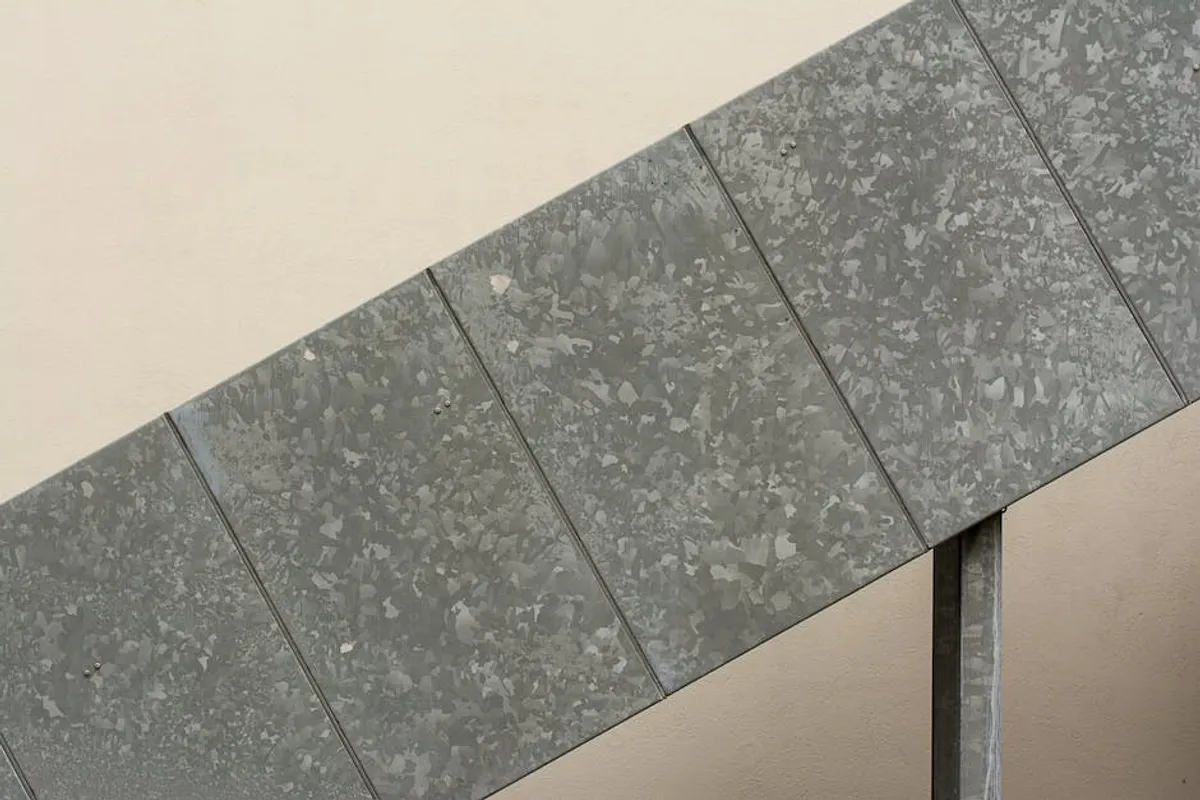
A: Hot-dip galvanized steel is produced by immersing steel in a bath of molten zinc, resulting in a thicker, more durable coating with a characteristic spangle. Electro-galvanized steel involves electroplating a thinner, smoother, and more uniform zinc layer. Hot-dip is preferred for corrosion resistance in outdoor/industrial applications, while electro-galvanized is often used for indoor applications or where a smooth finish for painting is required.
Q: How can I verify a supplier's claims about their galvanized steel?
A: Verify claims by requesting Mill Test Certificates (MTCs), third-party laboratory test reports, and certifications (e.g., ISO 9001). For critical orders, consider independent material testing upon receipt or conducting supplier audits. Customer references can also provide practical insights into their consistent performance.