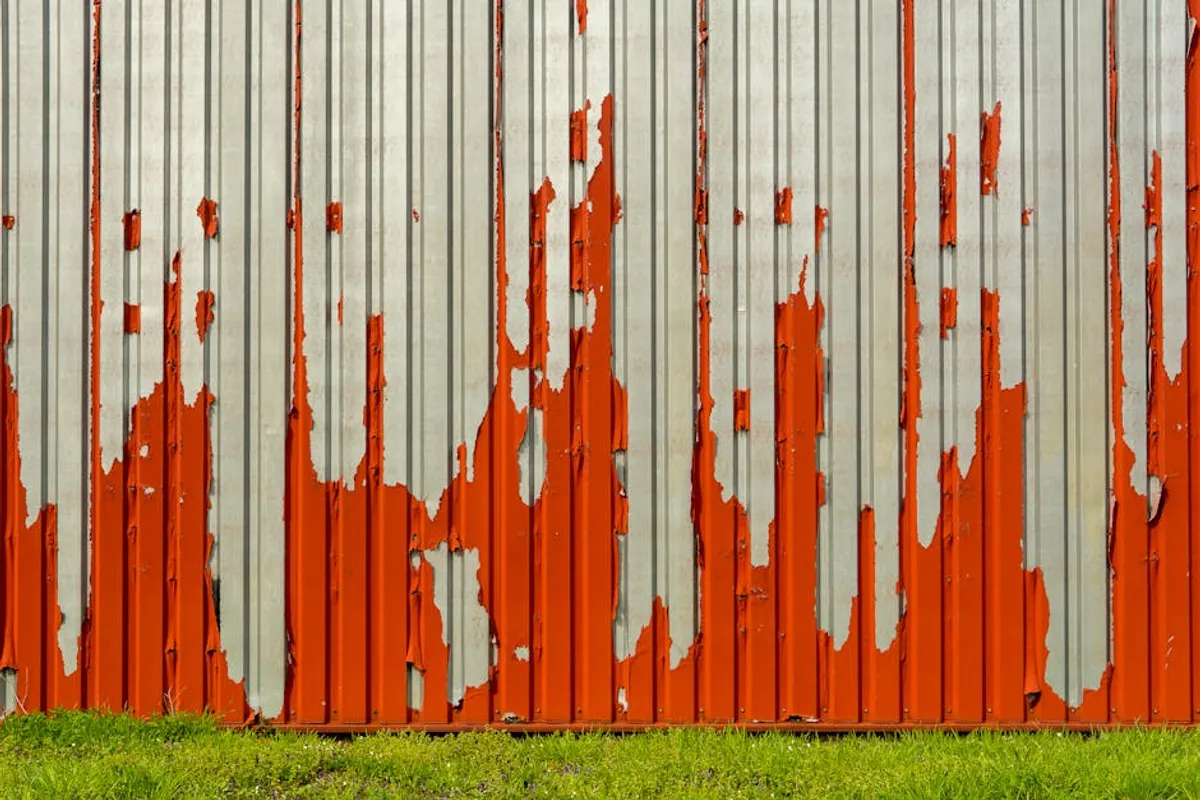
Galvanized steel offers a cost-effective solution for corrosion resistance across numerous applications. For buyers, understanding the specific types, properties, and application suitability of galvanized steel is critical to ensuring long-term performance and avoiding premature material failure. This guide details the essential considerations for selecting the appropriate galvanized steel product, moving beyond simple material specification to focus on real-world utility and value.
Understanding Galvanized Steel
Galvanized steel refers to steel that has been coated with a protective layer of zinc. This zinc coating serves as a barrier against corrosive elements and provides cathodic protection to the underlying steel. When the zinc layer is scratched or damaged, it sacrifices itself to protect the steel, preventing rust from forming at the exposed area. This dual protection mechanism significantly extends the lifespan of steel components, particularly in environments prone to moisture, chemicals, or atmospheric exposure.
Primary Galvanization Methods
Different galvanization processes yield distinct properties and are suited for varied applications:
- Hot-Dip Galvanizing: This method involves immersing fabricated steel parts into a bath of molten zinc. The process creates a metallurgically bonded coating that is typically thicker and more durable than other methods.
Best for: Structural components, outdoor infrastructure (bridges, guardrails), agricultural equipment, industrial applications, and environments requiring maximum corrosion protection and abrasion resistance.
- Electrogalvanizing: This electrolytic process applies a thinner, more uniform zinc coating to steel sheet or wire. The coating is smooth and aesthetically pleasing, making it suitable for applications where appearance is a factor.
Best for: Automotive parts, electrical conduits, appliances, fasteners, and indoor applications where a smooth finish and precise dimensions are important, or where post-treatment (like painting) is planned.
- Pre-Galvanizing (Mill Galvanizing): Steel coils are continuously run through a molten zinc bath or an electrogalvanizing line before being cut and formed. This method ensures a consistent coating thickness across large sheets.
Best for: Manufacturing processes that involve subsequent forming, stamping, or bending of the steel, such as HVAC ducting, roofing, and automotive body panels. The uniform coating is less prone to cracking during fabrication.
- Sherardizing (Vapor Galvanizing): A process where steel parts are heated in a sealed rotating drum containing zinc powder. The zinc diffuses into the surface of the steel, forming a zinc-iron alloy layer. This creates a very uniform, matte-gray coating, even on complex shapes.
Best for: Small parts, fasteners, and intricate components where a uniform coating on all surfaces, including threads, is crucial, and where a hard, abrasion-resistant surface is desired.
Critical Buying Factors for Galvanized Steel
Selecting the correct galvanized steel requires evaluating several parameters beyond just the galvanization method. These factors directly impact performance, longevity, and cost.
Coating Thickness and Weight (G-Ratings)
The thickness of the zinc coating is a primary determinant of corrosion resistance. It is typically specified by a "G-rating" (e.g., G60, G90, G210), which indicates the minimum amount of zinc in ounces per square foot of surface area (total for both sides). A higher G-rating signifies a thicker coating and, consequently, greater corrosion protection and longer service life. For instance, G90 steel has a minimum of 0.90 ounces of zinc per square foot, offering significantly more protection than G60 steel.
Impact for Buyers: Thicker coatings (higher G-ratings) provide extended protection in harsh environments but come at a higher material cost. Buyers must balance the required service life against the initial investment.
Base Steel Grade
The properties of the underlying steel substrate (e.g., carbon steel, high-strength low-alloy steel) affect the overall mechanical performance of the galvanized product. Different steel grades offer varying levels of strength, ductility, and weldability, which are crucial for structural integrity and fabrication processes. Understanding the intricacies of steel fabrication processes is also vital for ensuring the final product meets all structural and performance requirements.
Impact for Buyers: Match the base steel grade to the application's structural and mechanical demands. For example, structural components require higher strength grades, while deep-drawn parts need more ductile steel.
Surface Finish and Spangle
The appearance of galvanized steel can vary, particularly with hot-dip methods. "Spangle" refers to the crystalline pattern formed on the surface as the zinc cools. Large spangle offers a distinct aesthetic, while minimized or zero spangle options provide a smoother, more uniform surface that is often preferred for painting or cosmetic applications.
Impact for Buyers: Consider the aesthetic requirements and whether the material will be painted. A smoother, minimized spangle finish is generally easier to paint and offers a more consistent appearance.
Pro Tip: Always specify the intended environmental exposure and expected service life to your supplier. This information is crucial for them to recommend the appropriate galvanization method and coating thickness (G-rating) that will meet your project's performance requirements without over- or under-specifying the material.
Formability and Weldability
While galvanization protects steel, it can introduce considerations for subsequent fabrication. Thicker zinc coatings can sometimes affect formability (the ability to bend or shape the steel without cracking the coating) and weldability (requiring specific welding techniques to manage zinc fumes and ensure weld integrity).
Impact for Buyers: If extensive forming or welding is part of your manufacturing process, discuss these requirements with your supplier. Pre-galvanized or electrogalvanized materials are often more suitable for complex forming operations due to their thinner, more uniform coatings.
Making an Informed Purchase Decision
When purchasing galvanized steel, the objective is to align the material's specifications with the demands of its intended application. Prioritize the following:
- Environmental Exposure: Assess whether the steel will be exposed to indoor, outdoor, marine, or chemical environments. This dictates the required level of corrosion protection.
- Service Life Expectation: Determine how long the component needs to perform without maintenance or replacement. This directly influences the necessary coating thickness.
- Fabrication Requirements: Consider any bending, welding, or forming operations. Ensure the chosen galvanization method and base steel grade are compatible with your manufacturing processes.
- Aesthetic Needs: Decide if surface appearance is critical, especially if the material will be visible or painted.
- Cost-Benefit Analysis: While higher G-ratings or specialized galvanization methods may have a higher initial cost, they often provide superior longevity and reduced maintenance, leading to lower total lifecycle costs.
Frequently Asked Questions
How long does galvanized steel typically last?
The lifespan of galvanized steel varies significantly based on the zinc coating thickness and the corrosivity of the environment. In mild rural conditions, a thick hot-dip galvanized coating (e.g., G90) can last 50-100 years. In highly corrosive industrial or marine environments, the lifespan may be reduced to 20-40 years.
Can galvanized steel be painted?
Yes, galvanized steel can be painted, but proper surface preparation is crucial for paint adhesion. The zinc surface needs to be cleaned and often requires a primer specifically designed for galvanized surfaces to ensure long-term paint durability.
Is galvanized steel safe for drinking water applications?
Galvanized steel is generally not recommended for new drinking water systems due to potential health concerns related to zinc leaching and the formation of zinc corrosion products over time, which can affect water quality. Modern plumbing typically uses copper, PEX, or stainless steel.
What is the main difference between hot-dip and electrogalvanized steel?
The main difference lies in the coating process and resulting properties. Hot-dip galvanizing produces a thicker, more durable, metallurgically bonded coating with a distinct spangle, ideal for harsh outdoor conditions. Electrogalvanizing creates a thinner, smoother, more uniform coating without spangle, often preferred for aesthetics, precise dimensions, and easier post-processing in less aggressive environments.