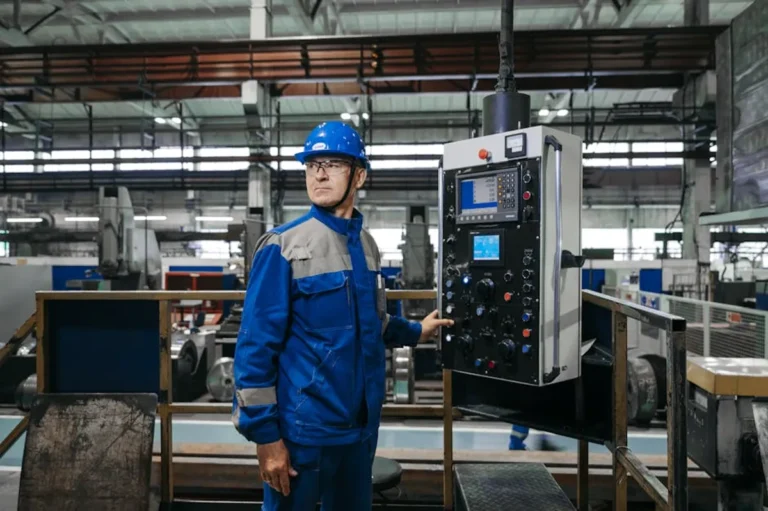

Acquiring stainless steel requires precision, whether for manufacturing, construction, or specialized applications. The material's performance directly impacts project success, longevity, and cost efficiency. Engaging potential suppliers with a structured set of questions is not merely a formality; it's a critical due diligence step that mitigates risks, ensures material suitability, and establishes a reliable supply chain. This approach moves beyond basic price comparisons, delving into the operational capabilities, quality assurances, and support structures that define a truly valuable supplier relationship. Understanding a supplier's responses to targeted inquiries provides a comprehensive view of their reliability, technical competence, and commitment to customer needs, ultimately safeguarding your investment and project timelines.
Before engaging suppliers, understand that a reliable partner offers more than just competitive pricing. Key indicators include robust quality control protocols, transparent material traceability, consistent adherence to lead times, and a willingness to provide detailed technical support. A supplier’s capacity for customization, their logistical efficiency, and their post-sale support infrastructure collectively determine the overall value proposition. Prioritize suppliers who demonstrate a clear understanding of your specific application requirements and openly share their operational standards. Their ability to articulate processes and provide verifiable documentation is often more indicative of long-term value than initial cost estimates alone.
1. Material Specifications and Certifications
This foundational question establishes a supplier's capability to provide the exact material required. Stainless steel comes in numerous grades (e.g., 304, 316, 430, Duplex), each with distinct chemical compositions, mechanical properties, and corrosion resistance. Requesting specific grade availability, along with Mill Test Certificates (MTCs) or Material Test Reports (MTRs), verifies the material's conformance to industry standards (e.g., ASTM, EN, JIS). MTCs provide chemical analysis, mechanical properties, and heat treatment details, acting as a crucial quality assurance document. Without this documentation, material suitability for critical applications remains unverified, posing significant project risks.
Best for: Any application where material integrity, regulatory compliance, or specific performance characteristics are non-negotiable, such as aerospace, medical devices, food processing, or structural engineering.
Pros: Ensures material meets exact project requirements; provides documented proof of quality and composition; facilitates regulatory compliance and audits; reduces risk of material failure or premature degradation.
Cons: Some smaller suppliers might offer generic material without full MTCs, requiring additional independent testing; can add a slight premium for fully certified materials; requires buyer knowledge of relevant material standards.
Verdict: Non-negotiable for critical applications. A supplier unwilling or unable to provide comprehensive material certifications indicates a significant risk to product quality and project integrity.
2. Quality Control Processes and Standards
Inquiring about a supplier's internal Quality Control (QC) processes and adherence to recognized standards (e.g., ISO 9001) reveals their commitment to consistent product quality. This question probes beyond mere certification, seeking details on their inspection methodologies, testing frequencies, and corrective action procedures. Understanding if they perform dimensional checks, surface finish inspections, or non-destructive testing (NDT) provides insight into their operational rigor. A robust QC system minimizes the likelihood of receiving defective material, reducing rework costs, production delays, and potential field failures.
Best for: Buyers with high-volume orders, complex component requirements, or applications where even minor defects can lead to significant operational or safety issues.
Pros: Reduces the incidence of defective material reaching your production line; provides confidence in material consistency; indicates a disciplined and organized supplier operation; can simplify your own incoming inspection processes.
Cons: Detailed QC information might be proprietary for some suppliers; verifying the effectiveness of claimed processes requires site audits or third-party inspections; some suppliers may claim ISO certification without fully integrating its principles.
Verdict: Essential for maintaining consistent product quality and minimizing downstream production issues. A supplier with transparent, documented QC processes is a more reliable partner.
3. Material Traceability Protocols
This question focuses on the supplier's ability to track a specific piece of stainless steel from its original melt, through processing, to final delivery. Traceability protocols involve unique batch numbers, heat numbers, and clear labeling practices that link the physical material to its MTCs and production history. Effective traceability is crucial for isolating issues if a defect is discovered, facilitating recalls, or proving compliance in regulated industries. It demonstrates a supplier's control over their inventory and their ability to provide accountability for every unit shipped.
Best for: Industries with strict regulatory requirements (e.g., medical, aerospace, nuclear), where product liability is a concern, or for long-term projects requiring future material verification.
Pros: Enables rapid identification and isolation of faulty batches; supports regulatory compliance and audits; enhances product liability defense; provides complete transparency into the material's origin and journey.
Cons: Implementing and maintaining robust traceability systems can increase supplier operational costs, potentially reflected in pricing; requires diligent record-keeping from both supplier and buyer.
Verdict: Critical for risk management and compliance. A supplier with poor traceability protocols introduces unacceptable risk into your supply chain, particularly for high-stakes applications.
4. Lead Times and Production Capacity
Understanding a supplier's standard lead times and their production or processing capacity is vital for effective project planning and inventory management. This question should cover typical delivery schedules for standard items versus custom orders, and their ability to scale production for larger volumes or accommodate expedited requests. Inquire about factors that influence lead times, such as raw material availability, production bottlenecks, and shipping logistics. A clear understanding prevents unexpected delays and allows for realistic scheduling, impacting your overall project timeline and cost.
Best for: Project-based manufacturing, just-in-time (JIT) inventory systems, or businesses with fluctuating demand that require flexible and predictable supply.
Pros: Facilitates accurate project scheduling and resource allocation; helps manage inventory levels efficiently; identifies potential bottlenecks early; allows for contingency planning in case of unexpected demand surges.
Cons: Stated lead times can sometimes be optimistic, requiring verification through initial smaller orders; rush orders often incur premium charges; external factors (e.g., global shipping disruptions) can impact even reliable suppliers.
Verdict: Directly impacts project timelines and operational efficiency. Choose suppliers who offer realistic, consistent lead times and demonstrate the capacity to meet your anticipated volume requirements.
5. Pricing Structures and Payment Terms
Beyond the headline price, understanding the full pricing structure and payment terms is essential for accurate budgeting and cash flow management. Ask how pricing is determined (e.g., per kilogram, per piece, per meter), if there are volume discounts, and how surcharges (e.g., for cutting, finishing, or small orders) are applied. Clarify payment terms (e.g., Net 30, upfront deposit, Letter of Credit), currency, and any early payment discounts or late payment penalties. Transparency in pricing avoids hidden costs and ensures financial predictability.
Best for: All buyers, particularly those managing tight budgets, seeking to optimize procurement costs, or operating in international trade.
Pros: Prevents unexpected costs and budget overruns; allows for accurate cost analysis and comparison between suppliers; facilitates effective cash flow planning; can lead to better long-term cost efficiencies through negotiated terms.
Cons: Complex pricing structures can be difficult to compare across suppliers; market fluctuations in raw material costs can lead to variable pricing; negotiating favorable payment terms may require established credit history.
Verdict: Crucial for financial transparency and cost control. A clear, itemized pricing structure and mutually agreeable payment terms are indicators of a professional supplier relationship.
6. Minimum Order Quantity (MOQ) Policies
MOQ policies dictate the smallest quantity of material a supplier is willing to sell. This question is critical for buyers with varied project sizes or those in the prototyping phase. Understanding a supplier's MOQs for different grades, forms (e.g., sheet, bar, tube), and custom cuts helps determine if they are a suitable partner for both small-batch and large-scale procurement. Suppliers with flexible MOQs can be invaluable for reducing inventory holding costs and avoiding over-ordering, while rigid MOQs might necessitate finding multiple suppliers or adjusting your purchasing strategy.
Best for: Small businesses, startups, R&D departments, or projects requiring specialized materials in limited quantities; also relevant for large buyers needing to test new materials.
Pros: Prevents overstocking and reduces inventory costs for smaller projects; allows for prototyping and testing without significant material investment; provides flexibility in procurement strategy.
Cons: Suppliers with very low MOQs might have higher per-unit costs; finding suppliers willing to accommodate very small, custom orders can be challenging; rigid MOQs can force buyers to purchase more than needed.
Verdict: Essential for matching supplier capabilities to your specific purchasing volume needs. A supplier with flexible MOQs can be a strategic asset, especially for diverse project portfolios.
7. Customization and Fabrication Capabilities
This question assesses a supplier's ability to provide value-added services beyond basic material supply. Many projects require stainless steel in specific dimensions, finishes, or pre-fabricated forms. Inquire if they offer services like precision cutting (laser, waterjet, plasma), bending, polishing, drilling, or welding. Understanding their in-house capabilities versus outsourced services, along with associated lead times and costs, helps streamline your production process and potentially reduce your own manufacturing overhead. A supplier offering these services can act as a single source, simplifying logistics.
Best for: Manufacturers seeking to reduce in-house processing, projects with unique dimensional or aesthetic requirements, or those needing ready-to-assemble components.
Pros: Reduces internal fabrication costs and time; ensures consistent quality for specialized processes; simplifies supply chain by consolidating services; can provide access to specialized equipment or expertise.
Cons: Customization services often come with higher per-unit costs; lead times for custom work are typically longer; quality control for outsourced services needs careful verification; potential for miscommunication on complex specifications.
Verdict: A key differentiator for suppliers. Opting for a supplier with robust customization capabilities can significantly enhance project efficiency and reduce your operational complexity.
8. Packaging, Handling, and Shipping Procedures
The integrity of stainless steel can be compromised during transit if not properly packaged and handled. Ask about their standard packaging methods (e.g., wooden crates, plastic wrapping, protective films, banding) to prevent scratching, bending, or other damage. Inquire about their loading and unloading procedures, and their shipping options (e.g., LTL, FTL, air freight, sea freight), including associated costs and insurance policies. Understanding their logistical proficiency ensures materials arrive in pristine condition and on schedule, avoiding costly delays and material rejection.
Best for: Buyers of highly finished materials, large or heavy components, or those located in remote areas requiring specialized logistics.
Pros: Minimizes transit damage and material rejection; ensures material arrives in usable condition; provides clarity on shipping costs and timelines; indicates a professional approach to logistics.
Cons: Specialized packaging or expedited shipping can increase overall costs; reliance on third-party logistics providers introduces external variables; verifying packaging quality without direct inspection can be difficult.
Verdict: Crucial for protecting your investment and maintaining project schedules. A supplier with clear, protective packaging and reliable shipping practices adds significant value.
9. Defect, Returns, and Warranty Policies
Even with stringent QC, defects can occur. A clear understanding of a supplier's policy on defective material, returns, and warranties is paramount for risk mitigation. Ask about the process for reporting defects, the timeframe for resolution, and whether they offer replacements, refunds, or credit. Inquire about the duration and scope of any material warranty, covering aspects like manufacturing defects or material degradation under normal use. A transparent and fair policy demonstrates a supplier's accountability and commitment to customer satisfaction, safeguarding your investment against unforeseen material issues.
Best for: All buyers, particularly those with high-value orders, critical applications, or projects where material failure has severe consequences.
Pros: Protects your financial investment in case of faulty material; provides a clear pathway for issue resolution; indicates a supplier's confidence in their product quality; minimizes disputes and strengthens trust.
Cons: Return processes can be time-consuming; proving material defect might require independent testing; warranty terms can be complex and narrowly defined, requiring careful review.
Verdict: A non-negotiable aspect of supplier due diligence. A supplier with a clear, equitable defect and warranty policy offers significant peace of mind and protection.
10. Technical Support and Application Expertise
This question assesses the depth of a supplier's knowledge beyond just selling material. Inquire if they offer technical support for material selection, application-specific challenges, or processing advice. A supplier with in-house metallurgists, engineers, or application specialists can be an invaluable resource, helping you choose the optimal stainless steel grade for specific environmental conditions, mechanical stresses, or fabrication methods. Their expertise can prevent costly material misapplications and optimize your design and manufacturing processes.
Best for: Buyers developing new products, working with specialized alloys, or facing complex engineering challenges that require expert material guidance.
Pros: Access to expert advice for material selection and problem-solving; can prevent costly errors in application; potentially streamlines your R&D process; fosters a collaborative relationship with the supplier.
Cons: Some suppliers may lack deep technical expertise, relying solely on sales staff; the quality of advice can vary significantly; technical support might be limited to specific product lines.
Verdict: A significant value-add, particularly for complex or innovative projects. A supplier acting as a technical partner can contribute directly to your product's success and efficiency.
11. Inventory Management and Supply Chain Reliability
Understanding a supplier's inventory management practices and the robustness of their supply chain is crucial for long-term reliability. Ask about their typical stock levels for your frequently purchased items, their strategies for managing raw material price volatility, and how they mitigate risks like natural disasters or geopolitical disruptions affecting their upstream supply. Inquire if they offer services like consignment inventory, just-in-time (JIT) delivery, or long-term supply agreements. A resilient supply chain ensures consistent material availability and predictable pricing, safeguarding your production schedule.
Best for: High-volume manufacturers, businesses relying on JIT systems, or those seeking to establish long-term strategic partnerships.
Pros: Ensures consistent material availability and reduces stockouts; can lead to more stable pricing through long-term agreements; minimizes your own inventory holding costs; provides resilience against external supply chain shocks.
Cons: Consignment or JIT agreements require strong trust and integration; assessing a supplier's supply chain resilience can be difficult without direct audits; long-term agreements might limit flexibility to switch suppliers.
Verdict: Fundamental for operational continuity and strategic planning. A supplier demonstrating robust inventory management and supply chain resilience is a more dependable partner.
12. Environmental and Ethical Sourcing Practices
This question addresses a supplier's commitment to sustainability and responsible business conduct, which is increasingly important for corporate social responsibility (CSR) and brand reputation. Inquire about their environmental policies, energy consumption reduction efforts, waste management, and whether they source materials ethically (e.g., avoiding conflict minerals). Ask if they have certifications related to environmental management (e.g., ISO 14001) or participate in industry sustainability initiatives. Their responses reflect their values and can impact your own company's CSR reporting and public image.
Best for: Companies with strong CSR initiatives, those operating in consumer-facing industries, or businesses subject to environmental and ethical sourcing regulations.
Pros: Enhances your company's CSR profile and brand reputation; ensures compliance with evolving environmental regulations; supports sustainable global supply chains; can appeal to environmentally conscious customers.
Cons: Verifying ethical sourcing claims can be complex and require third-party audits; sustainable practices may sometimes incur higher initial costs; some suppliers may lack comprehensive policies in this area.
Verdict: Increasingly relevant for modern businesses. Partnering with environmentally and ethically responsible suppliers aligns with contemporary business values and mitigates reputational risks.
Measuring Supplier Performance and Making the Right Choice
After gathering responses to these questions, the selection process shifts to evaluation. Do not rely solely on written answers; seek to verify claims through references, site visits (if feasible), and initial smaller orders. Establish clear Key Performance Indicators (KPIs) for your supplier relationships, focusing on on-time delivery rates, material conformity (measured against MTCs and your own inspections), responsiveness to inquiries, and adherence to agreed-upon pricing. A structured scoring system that weighs each question's importance to your business can help standardize the evaluation. Prioritize suppliers who demonstrate transparency, a willingness to collaborate, and a proactive approach to problem-solving. The ideal partner offers a balance of competitive pricing, consistent quality, reliable logistics, and strong technical support, tailored to your specific operational needs.
Frequently Asked Questions
Q: Should I prioritize price over all other factors when choosing a stainless steel supplier?
A: No. While price is a consideration, prioritizing it exclusively can lead to higher long-term costs through material defects, production delays, or poor customer service. Quality, reliability, and support often provide