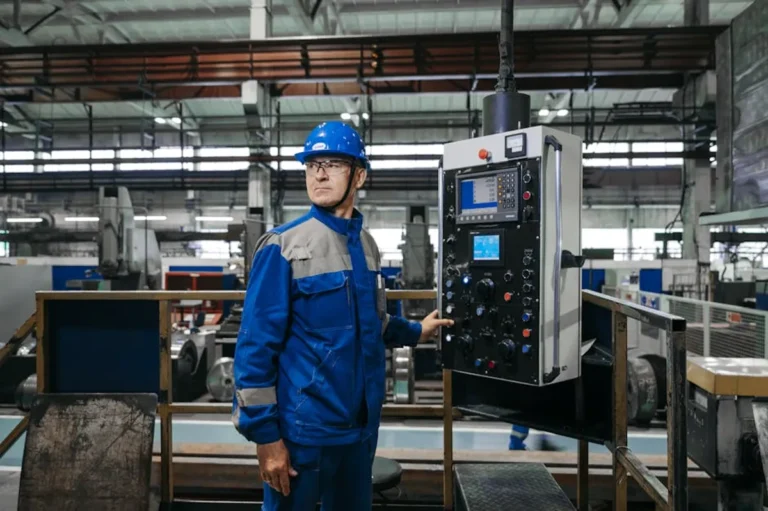

Choosing the right stainless steel for a project requires understanding its fundamental properties and how different grades perform under specific conditions. As a buyer, your decision impacts durability, maintenance, and ultimately, the long-term cost and success of your application. This guide demystifies the options, focusing on essential characteristics and common grades to help you make an informed purchase without unnecessary complexity.
Understanding Stainless Steel Composition
Stainless steel is an iron alloy distinguished by its chromium content, typically 10.5% or more by mass. This chromium reacts with oxygen to form a thin, passive layer on the surface, which is self-repairing and provides the material's signature corrosion resistance. Other alloying elements like nickel, molybdenum, and nitrogen are added to enhance specific properties such as strength, ductility, and resistance to particular types of corrosion. Understanding how stainless steel compares to other common steel types can further clarify its unique advantages.
Key Properties for Buyers
When evaluating stainless steel, several properties directly influence its suitability for an application:
- Corrosion Resistance: The primary reason for choosing stainless steel. Resistance varies significantly between grades, especially against acids, chlorides (like salt water), and high temperatures.
- Strength and Hardness: Important for structural integrity and wear resistance. Some grades are harder and more resistant to abrasion, while others offer higher tensile strength.
- Formability and Weldability: How easily the steel can be shaped, bent, or welded without cracking or losing its properties. This is critical for manufacturing processes.
- Heat Resistance: The ability to maintain strength and corrosion resistance at elevated temperatures, crucial for exhaust systems, furnaces, or kitchen equipment.
- Aesthetics: Surface finish options range from dull matte to highly polished, impacting visual appeal for architectural, decorative, or consumer product uses.
- Non-Magnetic Properties: Some applications, such as medical equipment or electronic enclosures, require non-magnetic materials. Austenitic grades are typically non-magnetic.
Common Stainless Steel Grades and Their Applications
The vast majority of stainless steel applications utilize a few key grades. Understanding their differences is paramount for buyers.
Austenitic Stainless Steels (300 Series)
These are the most common and versatile, known for excellent corrosion resistance, ductility, and weldability. They are non-magnetic in their annealed state.
Grade 304: The Workhorse
Often referred to as 18/8 stainless steel due to its approximate 18% chromium and 8% nickel content, Grade 304 is the most widely used. It offers good corrosion resistance to many chemical corrodents and industrial atmospheres, and it's highly formable.
Best for: Kitchen sinks, food processing equipment, architectural trim, chemical containers, heat exchangers, and general industrial applications where moderate corrosion resistance is sufficient.
Grade 316: Enhanced Corrosion Resistance
Grade 316 adds molybdenum to the 304 composition, significantly improving its resistance to pitting and crevice corrosion, especially in chloride-rich environments. This makes it superior for marine and chemical processing applications.
Best for: Marine environments, surgical instruments, pharmaceutical equipment, chemical and petrochemical equipment, outdoor electrical enclosures, and high-salinity architectural components.
Ferritic Stainless Steels (400 Series)
These grades contain chromium but typically no nickel, making them more cost-effective than austenitic types. They are magnetic and offer good corrosion resistance in mild environments, but generally have lower ductility and weldability than 300 series steels.
Grade 430: General Purpose Ferritic
Grade 430 is a common ferritic stainless steel with good corrosion resistance in atmospheric conditions and good resistance to oxidation at elevated temperatures. It is magnetic and can be easily formed.
Best for: Appliance trim, automotive trim, catering equipment, decorative applications, and some non-critical structural components.
Pro Tip: Always specify the exact grade required for your application. Using a cheaper, less resistant grade to save upfront costs can lead to premature failure, expensive repairs, and significant downtime, especially in corrosive or high-stress environments. Conversely, over-specifying a higher grade than necessary can lead to unnecessary material costs.
Surface Finishes and Their Impact
The surface finish of stainless steel is not just aesthetic; it also affects corrosion resistance, cleanability, and friction. Common finishes include:
- Mill Finishes (e.g., 2B, BA):
- 2B: A smooth, non-reflective cold-rolled finish, often used for industrial applications or as a base for further polishing.
- BA (Bright Annealed): A bright, reflective finish produced by heat treating in a controlled atmosphere, ideal for applications requiring high reflectivity or ease of cleaning, like kitchenware.
- Polished Finishes (e.g., No. 4, No. 8):
- No. 4 (Brushed/Satin): A popular directional finish with a fine, uniform grain, commonly seen in appliances, food service, and architectural applications. It helps hide minor scratches.
- No. 8 (Mirror): A highly reflective, non-directional finish achieved through extensive polishing, used for decorative trim, mirrors, and cleanroom equipment.
Factors Influencing Cost
The price of stainless steel is primarily driven by the cost of its alloying elements, particularly nickel and molybdenum, which are subject to market fluctuations. Higher grades with more expensive alloys (e.g., 316 vs. 304) will naturally cost more per pound. Additionally, the complexity of the manufacturing process, the required finish, and the quantity ordered all play a role in the final price.
Making an Informed Purchase
Before finalizing your purchase, consider these critical points:
- Environmental Conditions: Will the steel be exposed to moisture, chemicals, salt water, or extreme temperatures? This is the primary driver for grade selection.
- Mechanical Requirements: Does the application require high strength, resistance to impact, or specific formability?
- Regulatory Standards: Are there industry-specific standards (e.g., for food contact, medical devices, or construction) that dictate material choice?
- Maintenance and Lifespan: Consider the desired lifespan of the product and the ease of cleaning. A higher initial investment in a more corrosion-resistant grade might reduce long-term maintenance costs.
- Supplier Reputation: Choose suppliers known for quality, consistent material properties, and reliable certification of their products.
Frequently Asked Questions
What is the main difference between 304 and 316 stainless steel?
The primary difference is the addition of molybdenum in Grade 316, which significantly enhances its resistance to pitting and crevice corrosion, especially in chloride environments like saltwater. Grade 304 is suitable for most general applications, while 316 is preferred for harsher conditions.
Is stainless steel truly rust-proof?
No, "stainless" refers to its resistance to staining and corrosion, not immunity. Under certain conditions, such as prolonged exposure to harsh chemicals, high chloride environments, or mechanical damage to the passive layer, stainless steel can still corrode or "rust."
Can stainless steel be recycled?
Yes, stainless steel is 100% recyclable. It's an environmentally friendly material, as it can be melted down and reformed into new products without losing its inherent properties, making it a sustainable choice.
How do I clean stainless steel?
For most applications, warm water, a mild detergent, and a soft cloth are sufficient. Always wipe in the direction of the grain for brushed finishes. Avoid abrasive cleaners, steel wool, or harsh chemicals like bleach, which can damage the passive layer and cause staining or pitting.