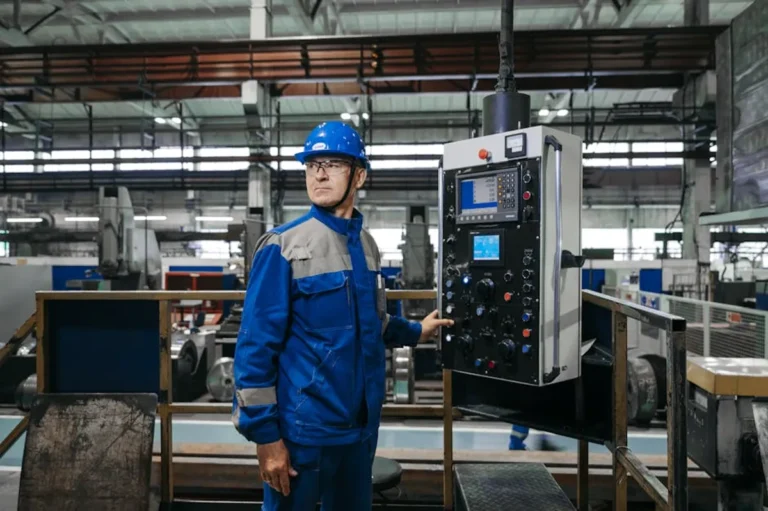

Selecting a steel manufacturing supplier is a pivotal decision that directly impacts project timelines, material quality, cost efficiency, and long-term operational reliability. A thorough due diligence process, anchored by precise and probing questions, mitigates risks associated with material specifications, production capacity, logistical challenges, and compliance. This isn't merely about securing a quote; it's about establishing a robust supply chain partnership that aligns with engineering requirements, budgetary constraints, and quality assurance standards. The following questions are designed to uncover critical operational details and strategic insights, moving beyond surface-level inquiries to reveal a supplier's true capabilities and commitment.
Before engaging with potential steel manufacturing suppliers, it is crucial to define your internal requirements comprehensively. This includes exact material specifications (alloy, grade, temper), required certifications (e.g., ISO, ASTM, API), volume demands, delivery schedules, and any specific post-processing needs like heat treatment or surface finishing. Understanding your own project's non-negotiables allows for targeted questioning and a more efficient evaluation process. Prepare to discuss technical drawings, performance criteria, and regulatory compliance from your end. This proactive preparation ensures that supplier responses can be directly benchmarked against your project's unique demands, streamlining the selection and qualification phases.
1. What are your material certifications and traceability protocols?
This question probes the foundational quality control measures. A supplier's ability to provide verifiable material certifications, such as Mill Test Certificates (MTCs) compliant with international standards (e.g., EN 10204 3.1 or 3.2), confirms the chemical composition and mechanical properties of the steel. Traceability protocols detail how raw materials are tracked from the melt shop through final production, ensuring that specific batches can be identified and recalled if necessary. This is critical for industries where material failure has severe safety or financial implications.
Best for: Projects requiring stringent material verification, regulatory compliance, and risk management in sectors like aerospace, automotive, and energy.
Pros: Ensures material quality matches specifications, facilitates compliance audits, and provides a clear audit trail for quality assurance and defect investigation.
Cons: Some suppliers may offer generic certifications without specific batch traceability, or their documentation may not meet international standards, requiring additional verification steps.
Verdict: Non-negotiable for critical applications; a supplier's transparency and adherence to certified standards directly reflect their commitment to quality and accountability.
2. Describe your quality control processes, from raw material inspection to final product.
This inquiry seeks a detailed overview of the supplier's entire quality management system. It should cover incoming raw material inspection (e.g., spectroscopy, ultrasonic testing), in-process checks (e.g., dimensional accuracy, surface finish, hardness testing), and final product inspection (e.g., destructive/non-destructive testing, visual checks). Understanding these steps illuminates the rigor of their operational controls and their proactive approach to defect prevention, rather than just detection.
Best for: All projects, particularly those where dimensional precision, surface integrity, and consistent performance are paramount, impacting downstream manufacturing or assembly.
Pros: Reveals the supplier's operational discipline, identifies potential bottlenecks or weak points in their production, and demonstrates their adherence to industry best practices.
Cons: Suppliers might offer high-level descriptions without specific examples or data, making it difficult to assess the actual effectiveness of their processes without a site visit.
Verdict: A robust, documented, and actively enforced quality control system is indicative of a reliable supplier capable of consistent product delivery.
3. What is your production capacity and lead time for our specific order volume?
This question directly addresses the supplier's ability to meet demand within your project's timeline. It requires specific figures on their daily/weekly/monthly output for the relevant steel product and their current order backlog. Lead time should be broken down into manufacturing, processing, and shipping components. This helps assess if they can scale with your needs and avoid production delays, which can incur significant costs and disrupt project schedules.
Best for: Projects with tight deadlines, fluctuating demand, or large-scale production requirements where consistent supply is critical.
Pros: Confirms the supplier's capability to deliver on schedule, helps in strategic planning for inventory and production, and avoids costly project delays.
Cons: Stated capacities can be optimistic, not accounting for unforeseen equipment downtime or labor shortages; lead times can vary significantly based on order complexity.
Verdict: Essential for logistical planning; a supplier’s realistic assessment of capacity and lead time builds confidence in their ability to support project continuity.
4. How do you handle custom orders, non-standard specifications, or unique alloys?
This question evaluates the supplier's flexibility and engineering capabilities beyond standard catalogue products. It explores their process for developing custom tooling, sourcing specialized raw materials, or adjusting their production line for unique requirements. A strong answer will detail their R&D capabilities, engineering support, and willingness to collaborate on bespoke solutions, indicating a partner rather than just a vendor.
Best for: Projects requiring specialized components, proprietary material blends, or innovative designs that deviate from conventional steel products.
Pros: Identifies suppliers capable of innovation and problem-solving, opening possibilities for custom-engineered solutions that provide a competitive edge.
Cons: Custom orders often involve higher costs and longer lead times; some suppliers may claim capabilities they do not fully possess, leading to project delays or quality issues.
Verdict: Crucial for niche or advanced manufacturing needs; a supplier's custom capabilities reflect their technical depth and adaptability.
5. Can you provide references from clients in similar industries or with comparable project requirements?
References offer independent validation of a supplier's performance, quality, and reliability. This question seeks contacts from clients who have ordered similar products or operate in your industry, allowing for direct feedback on their experiences regarding material quality, on-time delivery, communication, and responsiveness to issues. It moves beyond the supplier's self-assessment to external, verifiable proof of their service levels.
Best for: All supplier evaluations, especially when entering a new partnership or for high-value contracts where performance validation is paramount.
Pros: Provides objective insights into supplier reliability, quality consistency, and customer service, reducing risk through third-party endorsement.
Cons: Suppliers will naturally provide only favorable references; it's important to ask specific, open-ended questions to references to uncover potential challenges.
Verdict: An indispensable step in due diligence; client references provide a realistic perspective on a supplier's operational effectiveness and client satisfaction.
6. What are your packaging, shipping, and logistics capabilities?
This question addresses the critical final steps of the supply chain. It covers how products are protected during transit (e.g., rust prevention, bracing), available shipping methods (e.g., truck, rail, ocean freight), and their logistical network. Understanding their capabilities ensures that products arrive undamaged, on schedule, and in a manner that integrates smoothly with your receiving processes. Inquire about international shipping experience, customs clearance, and freight forwarding partnerships if applicable.
Best for: Projects with complex logistics, international shipping needs, or sensitive materials requiring specialized handling and protection.
Pros: Guarantees safe and timely delivery, minimizes transit damage, and ensures efficient integration with your internal logistics and inventory management systems.
Cons: Hidden costs in packaging or freight can emerge; some suppliers may outsource logistics without full oversight, potentially leading to communication gaps or delays.
Verdict: Crucial for end-to-end supply chain efficiency; robust logistics prevent costly delays and material damage post-production.
7. What is your policy for handling defective materials or order discrepancies?
Even with stringent quality control, issues can arise. This question evaluates the supplier's responsiveness and resolution process for non-conforming products. A clear policy should outline procedures for reporting defects, material return authorizations (RMAs), inspection, root cause analysis, and corrective actions. A transparent and fair policy indicates a supplier committed to standing behind their product and maintaining long-term relationships.
Best for: All projects, as it addresses risk mitigation and ensures a clear path to resolution if quality issues or order errors occur.
Pros: Establishes clear expectations for problem resolution, minimizes financial loss from defective goods, and protects project timelines from unforeseen quality setbacks.
Cons: Policies can be vague or favor the supplier, making dispute resolution challenging; some suppliers may be slow to respond or implement corrective actions.
Verdict: A well-defined and equitable defect resolution policy is a hallmark of a responsible and trustworthy supplier.
8. What environmental, social, and governance (ESG) standards do you adhere to?
This question gauges the supplier's commitment to sustainable and ethical practices, which increasingly impacts corporate reputation and regulatory compliance. It covers their energy consumption, waste management, emissions reduction, labor practices, and supply chain transparency. For many companies, partner alignment with ESG goals is critical for their own corporate social responsibility reporting and brand image.
Best for: Companies with strong corporate social responsibility initiatives, those operating in regulated industries, or seeking to enhance their sustainable supply chain credentials.
Pros: Aligns with corporate sustainability goals, mitigates reputational risks, and can contribute to regulatory compliance and market differentiation.
Cons: ESG claims can be difficult to verify without independent audits; some suppliers may lack comprehensive reporting or mature ESG programs.
Verdict: Increasingly important for modern businesses; a supplier's ESG commitment reflects their broader operational integrity and forward-thinking management.
9. What are your payment terms, and do you offer any volume-based pricing or long-term contract incentives?
This addresses the financial aspects of the partnership. Understanding payment terms (e.g., Net 30, Net 60), discounts for early payment, and potential price breaks for larger volumes or long-term commitments is crucial for budgeting and cash flow management. It also opens a discussion about potential strategic pricing agreements that can yield significant cost savings over time.
Best for: All procurement scenarios, particularly for high-volume purchases or establishing long-term supply agreements to optimize costs.
Pros: Optimizes cash flow, potentially reduces per-unit costs, and establishes a clear financial framework for the business relationship.
Cons: Restrictive payment terms can strain working capital; volume incentives might require commitments that exceed current demand, leading to excess inventory.
Verdict: Essential for financial planning; favorable terms and strategic pricing can significantly impact the total cost of ownership and profitability.
10. What is your typical response time for inquiries, quotes, and technical support?
Effective communication is vital for a smooth supplier relationship. This question assesses their responsiveness, which impacts everything from initial quoting to resolving post-delivery issues. A supplier with a clear communication protocol and dedicated account management demonstrates a commitment to customer service and partnership, minimizing frustrating delays and misunderstandings.
Best for: All projects, especially those requiring frequent communication, rapid adjustments, or complex technical discussions.
Pros: Ensures efficient information exchange, facilitates quick problem resolution, and builds a foundation for a strong, collaborative working relationship.
Cons: Stated response times may not always be met, especially during peak periods; language barriers or time zone differences can complicate communication for international suppliers.
Verdict: High responsiveness is a key indicator of a proactive and customer-focused supplier, crucial for dynamic project environments.
11. What is your risk management strategy for supply chain disruptions (e.g., raw material shortages, natural disasters)?
This question explores the supplier's resilience and preparedness for unforeseen events. It should detail their contingency plans for raw material sourcing, alternative production sites, inventory management, and communication protocols during crises. A robust risk management strategy demonstrates foresight and a commitment to supply continuity, protecting your projects from external volatility.
Best for: All projects, particularly those in volatile markets, with single-source components, or operating under critical deadlines where any disruption is unacceptable.
Pros: Mitigates supply chain vulnerabilities, ensures continuity of supply during crises, and provides confidence in the supplier's ability to navigate external challenges.
Cons: Some suppliers may have basic or untested plans; assessing the true robustness of a strategy requires detailed questioning and potentially independent verification.
Verdict: A well-articulated risk management strategy is essential for modern supply chains, showcasing a supplier's long-term reliability and strategic thinking.
12. How do you incorporate new technologies or process improvements into your manufacturing?
This question assesses the supplier's commitment to continuous improvement and innovation. It explores their investment in new machinery, automation, data analytics, or advanced manufacturing techniques. A supplier that actively seeks to optimize processes can offer better quality, efficiency, and potentially lower costs over time, positioning them as a forward-thinking partner.
Best for: Long-term partnerships, projects requiring cutting-edge manufacturing capabilities, or those seeking cost optimization through process efficiency.
Pros: Indicates a progressive supplier committed to efficiency and quality, potentially leading to better products and more competitive pricing in the future.
Cons: Claims of innovation may not always translate into tangible benefits for the customer or may come with increased costs; some investments might be for internal efficiency only.
Verdict: A supplier's embrace of new technologies reflects their competitiveness and potential for long-term value creation in a dynamic market.
Evaluating Supplier Responses
Gathering answers to these questions is only the first step. Effective evaluation requires a systematic approach. Do not rely solely on written responses; conduct virtual or in-person site visits to verify claims about facilities, quality control, and production processes. Request samples of their work, especially for custom requirements, and subject them to your own internal quality testing. Cross-reference information by contacting client references and, where appropriate, checking industry reputation or regulatory compliance records. Look for consistency in answers across different departments within the supplier's organization. Pay attention to how quickly and thoroughly they respond to your inquiries, as this often indicates their future communication style. Ultimately, the goal is to build a comprehensive picture of their capabilities, reliability, and cultural fit with your organization, ensuring a partnership that supports your project's success.
Frequently Asked Questions
What if a supplier is reluctant to answer certain questions?
Reluctance can be a red flag. While some information might be proprietary, a reputable supplier should be transparent about their processes, certifications, and policies. Push for clarification or consider it a warning sign regarding their openness and trustworthiness.
How important are certifications like ISO 9001?
ISO 9001 certification indicates a foundational commitment to quality management systems. While not a guarantee of perfect quality, it demonstrates a structured approach to quality control and continuous improvement, making it a strong baseline requirement.
Should I always choose the lowest-cost supplier?
No. The lowest price can often mask hidden costs related to poor quality, missed deadlines, or insufficient support. Prioritize value, which balances cost with quality, reliability, and the supplier's overall capability to meet your specific project needs.
Is a site visit always necessary?
For significant or critical contracts, a site visit is highly recommended. It provides invaluable firsthand insight into their operational environment, equipment, safety protocols, and overall organizational culture, which cannot be fully gleaned from remote communication.