
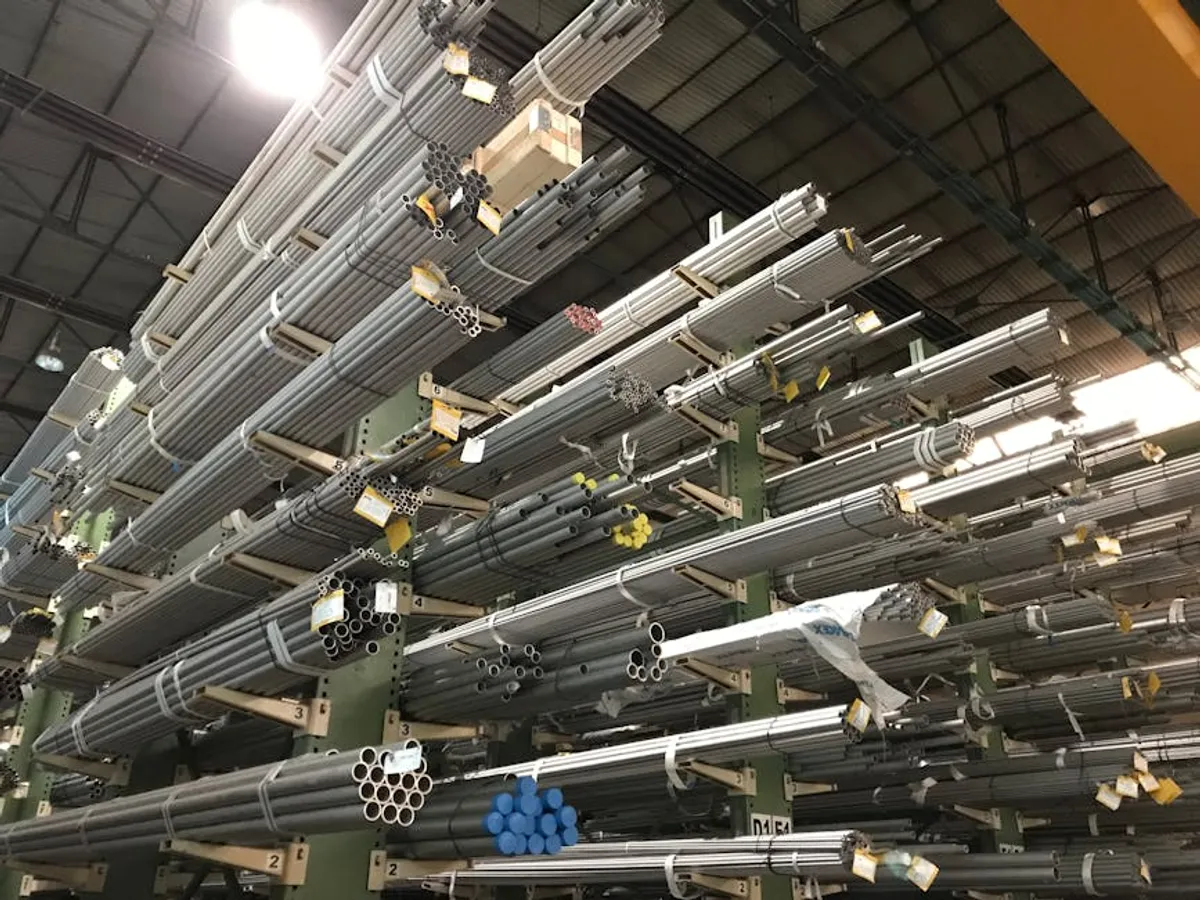
Procuring galvanized steel involves more than simply comparing price quotes. For procurement teams, the decision impacts project longevity, structural integrity, and overall cost efficiency. A systematic approach, guided by a comprehensive checklist, is essential to mitigate risks, ensure material suitability, and secure favorable commercial terms. This guide outlines critical considerations for evaluating galvanized steel, from technical specifications to supplier capabilities, enabling informed purchasing decisions that align with project demands and budget constraints. Ensuring robust supplier quality control is paramount to receiving materials that meet all required standards and specifications.
Material Specifications: The Foundation of Performance
Understanding the precise technical specifications for galvanized steel is non-negotiable. These details dictate the material's performance, durability, and suitability for its intended application.
Coating Type and Weight
The zinc coating provides corrosion resistance. Hot-dip galvanizing (HDG) is common, but variations exist. Specifying the coating type and weight is crucial. For instance, a G90 coating designation (0.90 ounces per square foot total for both sides) offers a different level of protection than a G60. Higher coating weights generally correlate with extended corrosion resistance, but also increased cost and potentially reduced formability. Consider the expected service life and environmental exposure when selecting.
Base Metal Grade and Properties
The underlying steel substrate's properties are as important as the coating. Common specifications like ASTM A653 (for hot-dip galvanized sheet) or ASTM A792 (for 55% Al-Zn coated sheet) define mechanical properties such as yield strength, tensile strength, and elongation. These factors determine the steel's ability to withstand stress, form without cracking, and perform structurally. For applications requiring significant bending or drawing, a more ductile grade is necessary.
Surface Finish and Treatment
Galvanized steel can have various surface finishes, including regular spangle, minimized spangle, or extra smooth. Regular spangle is the natural crystalline pattern of zinc, suitable for unexposed applications. Minimized or extra smooth spangle is often preferred for painted applications or visible components where a uniform aesthetic is critical. Additionally, post-treatment (e.g., chromate passivation, oiling, or acrylic coating) can enhance corrosion resistance during storage or improve paint adhesion.
Dimensional Tolerances
Accuracy in thickness, width, and length is vital for fabrication and assembly. Standard tolerances are defined by specifications (e.g., ASTM A924 for thickness). Deviations can lead to fitment issues, increased scrap, and costly rework. Always confirm the supplier's adherence to these tolerances and their measurement methods.
Matching Steel to Application: End-Use Considerations
The specific environment and function of the galvanized steel dictate the appropriate material selection. A mismatch can lead to premature failure and increased lifecycle costs.
- Environmental Exposure: Indoor, outdoor, marine, industrial, or chemical environments each demand specific coating thicknesses and types. For example, marine environments often require thicker coatings due to increased salinity.
- Fabrication Processes: If the steel will be bent, welded, stamped, or deep-drawn, its formability and weldability are critical. Some galvanized coatings can affect welding processes, requiring specific techniques or pre-treatment.
- Paintability and Adhesion: For painted applications, the galvanized surface must allow for proper paint adhesion. This often involves specific surface treatments or a minimized spangle finish to prevent paint delamination.
- Expected Lifespan: Long-term projects in harsh conditions necessitate more robust coatings and base materials to achieve the desired service life without frequent maintenance or replacement.
Vetting Suppliers: Beyond the Price Quote
A supplier's reliability and quality control are as important as the material itself. Thorough supplier evaluation minimizes risks related to material quality, delivery, and support.
Quality Management and Certifications
Look for suppliers with robust quality management systems, evidenced by certifications like ISO 9001. Product-specific certifications or compliance with industry standards (e.g., ASTM, JIS, EN) further validate their capabilities. Request documentation of their internal quality control processes.
Traceability and Documentation
A reputable supplier provides full traceability for their material, including mill test reports (MTRs) for each batch. These reports detail the chemical composition, mechanical properties, and coating specifications, allowing for verification against your requirements. Ensure MTRs are provided prior to or upon delivery.
Production Capacity and Lead Times
Assess the supplier's ability to meet your volume requirements and project timelines. Inquire about their typical lead times for specific grades and quantities, and their capacity for expediting orders if necessary. Delays in material delivery can significantly impact project schedules.
Logistics and Handling
Proper packaging, loading, and transportation are critical to prevent material damage during transit. Confirm the supplier's logistics capabilities, including their experience with international shipping if applicable, and their methods for protecting the galvanized surface from scratches or white rust.
Pro Tip: Always request and review Material Test Reports (MTRs) before finalizing a purchase. These documents provide verifiable data on chemical composition, mechanical properties, and coating weights, ensuring the delivered material matches your specified requirements and preventing costly non-conformances down the line.
Navigating Commercial Terms and Value: Financial Due Diligence
Beyond the unit price, the commercial terms can significantly impact the total cost of ownership and financial risk.
Pricing Structure and Minimums
Understand how pricing is structured (per ton, per sheet, etc.) and clarify any volume discounts or surcharges. Be aware of minimum order quantities (MOQs) which can affect flexibility for smaller projects or trial orders.
Payment Terms and Incoterms
Negotiate favorable payment terms (e.g., Net 30, Letter of Credit) that align with your cash flow. Clearly define Incoterms (e.g., FOB, CIF, DDP) to establish responsibility for shipping costs, insurance, and duties at various stages of transit. This clarity prevents unexpected expenses.
Warranty and Claims Process
Understand the supplier's warranty policy for material defects or non-conformance. A clear, documented claims process is essential for resolving issues efficiently and fairly, protecting your investment in case of faulty material.
Quality Assurance: Verifying Material Integrity
Even with a qualified supplier, implementing a quality assurance process for incoming material is a final safeguard.
Incoming Inspection
Conduct visual inspections upon arrival for signs of damage, white rust, or incorrect material. Verify dimensions against packing lists and order specifications. For critical applications, consider random sampling for further testing.
Testing and Verification
For high-stakes projects, third-party testing can independently verify coating thickness, adhesion, and base metal properties. Non-destructive methods like magnetic or eddy current gauges can measure coating thickness on site. Adhesion can be checked via bend tests or cross-hatch tests, while salt spray testing provides an accelerated indicator of corrosion resistance.
Implementing Your Procurement Checklist
Establishing a standardized galvanized steel procurement checklist within your organization streamlines the purchasing process and ensures consistency. This involves:
- Defining specific material requirements based on engineering and application needs.
- Developing a robust supplier qualification process that goes beyond initial quotes.
- Integrating commercial terms into the evaluation to assess total cost of ownership.
- Establishing clear incoming inspection and quality verification protocols.
- Regularly reviewing and updating the checklist based on project feedback and market changes.
A well-executed checklist transforms galvanized steel procurement from a transactional activity into a strategic process that contributes directly to project success and material performance.
Frequently Asked Questions
What is the most critical factor when specifying galvanized steel?
The most critical factor is aligning the coating type and weight with the end-use environment and expected service life, as this directly determines the material's corrosion resistance and longevity.
How do I verify a supplier's quality claims?
Verify quality claims by requesting and reviewing Material Test Reports (MTRs) for each batch, checking for relevant certifications (e.g., ISO 9001), and implementing an incoming inspection process that may include third-party testing for critical parameters.
What are common pitfalls in galvanized steel procurement?
Common pitfalls include focusing solely on the lowest unit price, neglecting detailed material specifications, failing to properly vet supplier quality control, and overlooking the impact of Incoterms and payment terms on total project cost and risk.
Why is coating weight important?
Coating weight directly correlates with the galvanized steel's corrosion resistance and projected lifespan. A thicker zinc coating provides a more robust barrier against environmental elements, delaying the onset of rust and extending the material's functional life.