The cost of steel, a foundational material in construction, manufacturing, and infrastructure, is not solely determined by supply and demand within a single market. Instead, it is inextricably linked to the complex, often fragile, network of global supply chains. For businesses that rely on steel – from automotive manufacturers and construction firms to heavy machinery producers – understanding these dynamics is critical for accurate budgeting, risk mitigation, and maintaining profitability. Fluctuations driven by external supply chain pressures can erode margins, delay projects, and impact competitive positioning. This article dissects the primary mechanisms through which global supply chain disruptions translate directly into steel price volatility, offering insights for strategic procurement and operational planning.
The Interconnected Web: How Supply Chains Shape Steel Markets
Steel production is a multi-stage process, each step dependent on a global flow of raw materials, energy, and logistics. A disruption at any point can ripple through the entire chain, affecting final product pricing.
Raw Material Sourcing and Volatility
The primary inputs for steel production—iron ore, coking coal, and scrap—are sourced from diverse global regions. Iron ore, for instance, largely originates from Australia and Brazil, while coking coal comes predominantly from Australia and the United States. Any event impacting these key producing regions, such as mining accidents, labor disputes, or adverse weather, directly reduces supply and drives up input costs for steel mills. For example, a cyclone in Western Australia can restrict iron ore exports, causing immediate price hikes that mills must absorb or pass on.
Energy Costs
Steelmaking is an energy-intensive process, particularly in blast furnaces and electric arc furnaces. Fluctuations in global energy prices—oil, natural gas, and electricity—directly influence operational costs for steel producers. Geopolitical events, shifts in energy policy, or disruptions to energy infrastructure (e.g., pipeline issues, power grid failures) can lead to significant energy price volatility. When energy costs rise, steel mills face higher production expenses, which are then reflected in higher steel prices to maintain profitability.
Logistics and Transportation
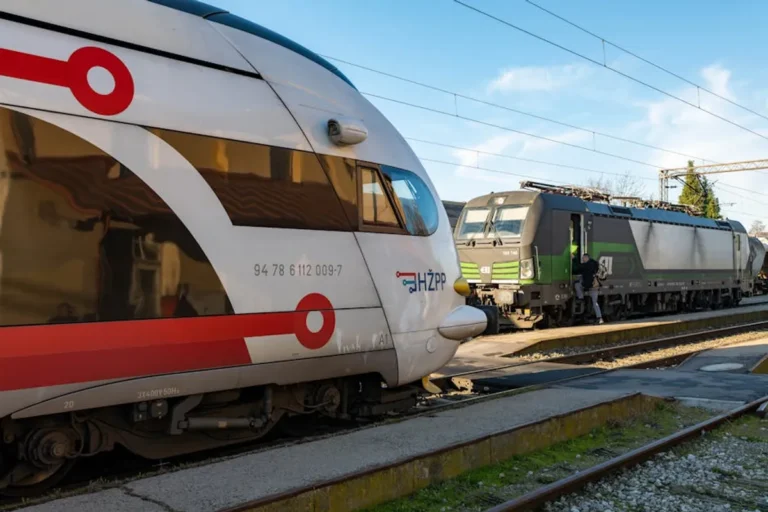
The movement of raw materials, semi-finished goods, and finished steel products relies heavily on global shipping, rail, and trucking networks. Disruptions here can cause significant delays and increase freight costs. Factors include:
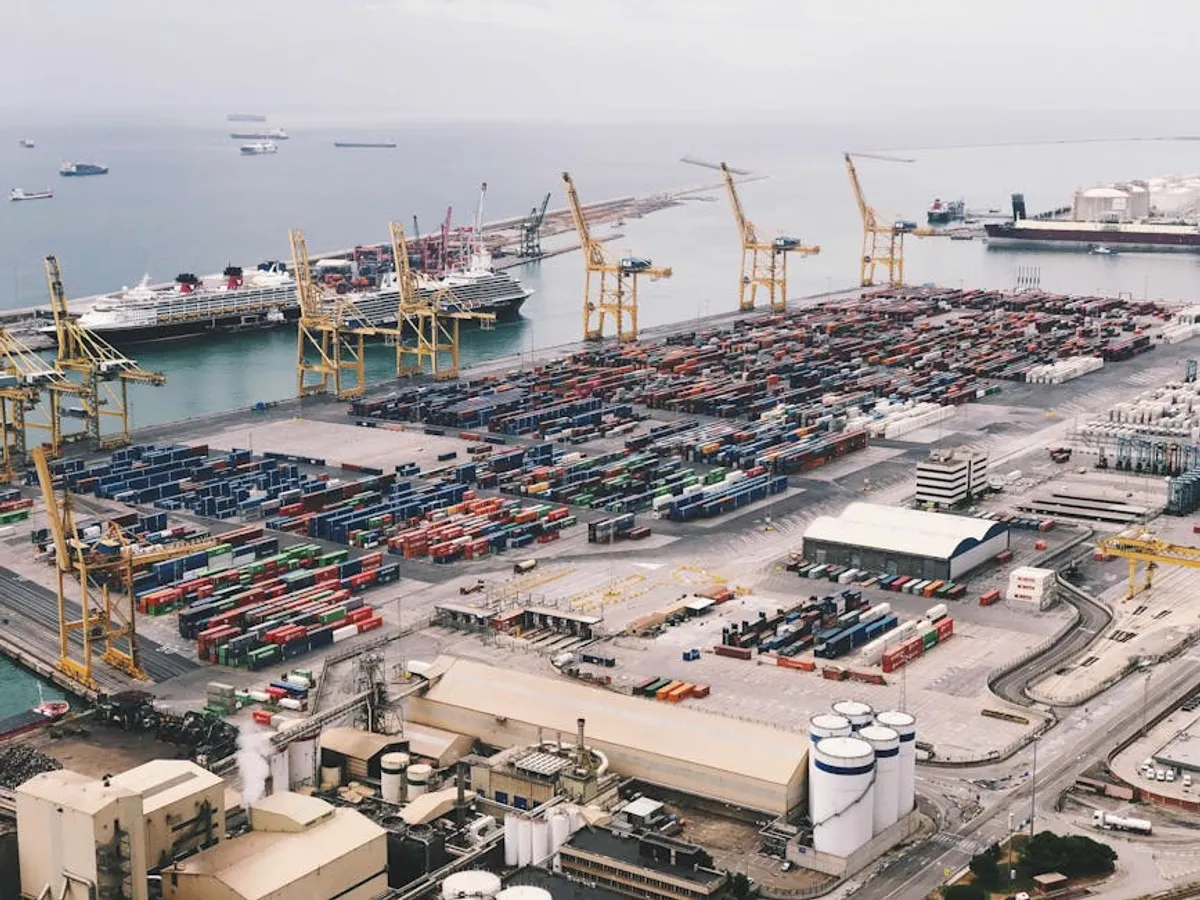
- Container Shortages and Port Congestion: High demand combined with labor shortages and infrastructure limitations at major ports can lead to bottlenecks, delaying shipments and increasing demurrage charges.
- Fuel Price Spikes: Higher diesel and bunker fuel costs directly impact trucking and shipping rates, adding to the landed cost of steel.
- Geopolitical Blockades or Route Changes: Events like the Suez Canal blockage or regional conflicts can force longer, more expensive shipping routes, increasing transit times and costs.
Key Disruptors and Their Price Impact
Beyond the fundamental inputs, several external factors frequently act as catalysts for significant steel price shifts.
Geopolitical Instability and Trade Policies
Government actions and international relations play a substantial role. Tariffs on imported steel, such as those imposed under Section 232 in the U.S., directly increase the cost of foreign steel, making domestic steel more competitive but often leading to overall higher market prices. Sanctions against specific countries can remove significant producers from the global market, tightening supply. Regional conflicts disrupt established trade routes, divert resources, and create uncertainty, leading to speculative price increases.
Labor Shortages and Production Capacity
A shortage of skilled labor in mining, steel production, or logistics can constrain output and increase operational costs. When mills struggle to find workers, production lines may run below capacity, reducing overall supply. Similarly, unexpected shutdowns for maintenance, environmental compliance, or technical issues can temporarily reduce global steel output, contributing to price pressures.
Natural Disasters and Climate Events
Extreme weather events—hurricanes, floods, droughts, wildfires—can devastate mining operations, damage transportation infrastructure, and disrupt energy supply. These events can halt production, prevent shipments, and create immediate supply deficits that push prices upward. The long-term effects of climate change also influence resource availability and operational resilience.
Demand-Side Shocks
While often supply-driven, sudden shifts in demand can also exert significant pressure. A surge in infrastructure spending, a boom in a particular manufacturing sector (e.g., renewable energy components), or a rapid post-recession recovery can quickly outstrip existing production capacity. This imbalance between robust demand and constrained supply inevitably leads to higher prices, especially for specific steel grades or forms.
Pro Tip for Procurement Teams: Implement a robust supply chain monitoring system that tracks not just immediate supplier performance, but also geopolitical developments, raw material price indices, and freight cost trends. Early warning signs from these external indicators can provide crucial lead time to adjust procurement strategies or explore alternative sourcing options before price increases become entrenched.
Navigating Price Volatility: Strategies for Steel Buyers
Businesses dependent on steel must adopt proactive strategies to mitigate the financial impact of supply chain-driven price fluctuations.
Diversifying Sourcing
Relying on a single region or supplier for steel or its raw materials creates significant vulnerability. Diversifying the supplier base across different geographies and even different types of mills (e.g., integrated mills vs. mini-mills) can reduce exposure to localized disruptions and foster competitive pricing.
Inventory Management and Buffer Stock
While just-in-time (JIT) inventory minimizes holding costs, it offers little protection during supply shocks. Strategic buffer stock for critical steel components can provide a short-term cushion against sudden price increases or delivery delays. The optimal buffer level requires careful analysis of historical volatility, lead times, and the cost of capital.
Long-Term Contracts and Hedging
For large-volume buyers, negotiating long-term contracts with fixed or capped pricing can provide stability against spot market volatility. Additionally, financial hedging instruments, such as futures contracts for steel or its raw materials, can be used to lock in prices or offset potential increases, though these require specialized financial expertise.
Enhanced Supply Chain Visibility
Mapping the entire supply chain, from raw material extraction to final delivery, allows businesses to identify potential choke points and single points of failure. Greater visibility enables proactive risk assessment and the development of contingency plans, such as identifying alternative transport routes or backup suppliers.
Actionable Insights for Procurement Teams
Managing steel procurement in a volatile global market requires a dynamic approach. Focus on developing resilient supply chain strategies that integrate real-time data and scenario planning. Regularly review supplier contracts for flexibility clauses and force majeure provisions. Foster strong, transparent relationships with key suppliers to gain early insights into potential disruptions. By understanding the intricate connections between global supply chains and steel prices, businesses can move beyond reactive purchasing to strategic, risk-aware procurement that protects margins and ensures operational continuity.
Frequently Asked Questions About Steel Pricing
What are the primary raw materials that influence steel prices?
The main raw materials are iron ore, coking coal, and steel scrap. Their global supply and demand dynamics, along with transportation costs, significantly impact the final price of steel.
How do geopolitical events affect steel prices?
Geopolitical events can disrupt trade routes, impose tariffs or sanctions, and create uncertainty, leading to reduced supply, increased transportation costs, and speculative buying, all of which push steel prices higher.
Can energy prices directly impact steel production costs?
Yes, steelmaking is highly energy-intensive. Fluctuations in the cost of electricity, natural gas, and other fuels directly affect the operational expenses of steel mills, which are then passed on to consumers through higher steel prices.
What strategies can buyers use to mitigate steel price volatility?
Key strategies include diversifying the supplier base, maintaining strategic buffer inventories, utilizing long-term contracts with price caps, and employing financial hedging instruments to lock in prices or offset risks.