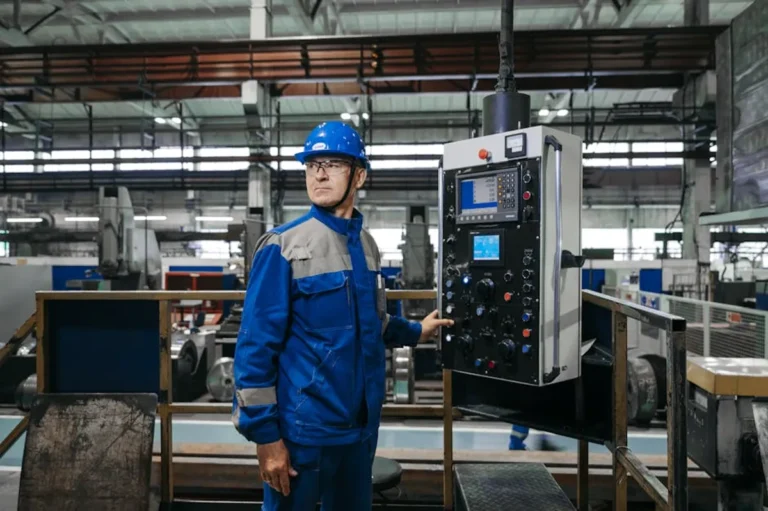

Selecting the appropriate industrial quality control framework for any industrial project is a strategic decision directly impacting project success, operational efficiency, and long-term product integrity. It moves beyond simple defect detection, encompassing a proactive approach to prevent errors, ensure compliance, and optimize resource utilization. The choice is not one-size-fits-all; it requires a detailed understanding of project specifics, regulatory landscapes, and available technological solutions to align quality objectives with commercial realities. This approach informs quality control for industrial buyers and ensures project success.
Understanding the Landscape of Industrial Quality Control
Defining Quality Control in Industrial Contexts
Industrial quality control (QC) refers to the systematic processes and procedures implemented throughout the lifecycle of an industrial project to ensure that products, services, or processes meet predefined quality standards and customer requirements. This involves monitoring, inspecting, and testing at various stages, from raw material procurement to final product delivery. The objective is to identify and correct deviations, minimize waste, and enhance overall reliability.
Key Objectives of Industrial QC
Effective industrial QC aims to achieve several critical objectives that underpin project viability and market reputation:
- Defect Prevention: Proactively identify potential failure points in processes or materials to prevent defects before they occur, rather than simply detecting them post-production.
- Standard Compliance: Ensure adherence to relevant industry standards (e.g., ISO, ASTM), regulatory requirements, and client specifications, mitigating legal and financial risks.
- Cost Reduction: Minimize rework, scrap, warranty claims, and customer returns, leading to significant savings in operational expenditures.
- Performance Optimization: Improve the consistency and reliability of products and processes, enhancing their operational performance and lifespan.
- Customer Satisfaction: Deliver products and services that consistently meet or exceed customer expectations, fostering trust and repeat business.
Types of Industrial Quality Control Methodologies
Industrial quality control methodologies can be broadly categorized based on their primary focus:
Process-Oriented QC
This approach focuses on controlling the manufacturing or operational processes themselves to ensure that the output consistently meets quality specifications. It involves setting up control points, monitoring process parameters, and implementing corrective actions when deviations occur. Statistical Process Control (SPC) is a common tool here, using statistical methods to monitor and control a process.
Best for: Projects with highly repeatable processes, large-scale production, or where process variation directly impacts product quality (e.g., chemical manufacturing, continuous assembly lines).
Product-Oriented QC
Product-oriented QC involves inspecting and testing the final product or specific components at various stages of production. This includes visual inspections, dimensional checks, performance testing, and destructive or non-destructive testing. The goal is to verify that the product meets design specifications and functional requirements before shipment.
Best for: Projects where individual product integrity is paramount, custom fabrication, or high-value, complex components (e.g., aerospace parts, specialized machinery).
System-Oriented QC
This methodology focuses on the overall quality management system (QMS) within an organization. It involves establishing policies, procedures, and responsibilities to manage and control quality across all functions. Certification to standards like ISO 9001 is an example of a system-oriented approach, ensuring that the entire organizational structure supports quality objectives.
Best for: Organizations seeking comprehensive quality assurance across multiple projects, those operating in highly regulated environments, or those aiming for continuous improvement culture.
Critical Factors in Selecting a Quality Control System
The selection process demands a systematic evaluation of several key factors:
Project Scope and Complexity
Consider the scale, duration, and intricacy of the industrial project. A small, straightforward project might require a less elaborate QC system than a multi-year, complex infrastructure build. The number of components, suppliers, and interdependencies will dictate the level of detail and integration needed in your QC plan.
Industry-Specific Regulations and Standards
Different industries operate under distinct regulatory frameworks. For instance, pharmaceutical manufacturing adheres to Good Manufacturing Practices (GMP), while construction projects follow specific building codes and safety standards. The chosen QC system must inherently support and facilitate compliance with all applicable legal, safety, and environmental regulations to avoid penalties and ensure operational legality.
Pro Tip: Before committing to any QC framework, conduct a thorough regulatory mapping exercise. Identify all mandatory industry standards, local laws, and client-specific requirements. This ensures the chosen system is not only effective but also fully compliant from day one.
Cost-Benefit Analysis and Resource Allocation
Evaluate the financial implications of implementing and maintaining a QC system. This includes costs for equipment, personnel training, software, and ongoing audits. Balance these expenditures against the potential savings from reduced defects, improved efficiency, and enhanced reputation. A robust QC system should deliver a positive return on investment by preventing costly failures.
Technology Integration and Data Management
Modern industrial QC increasingly relies on technology. Assess how well a proposed system integrates with existing enterprise resource planning (ERP) systems, manufacturing execution systems (MES), or other operational software. The ability to collect, analyze, and report quality data in real-time is crucial for informed decision-making and continuous improvement. Consider solutions that offer robust data analytics capabilities.
Supplier and Stakeholder Collaboration
Industrial projects often involve multiple suppliers and stakeholders. The chosen QC system should facilitate clear communication, standardized procedures, and effective oversight across the supply chain. This includes defining quality requirements for incoming materials, establishing inspection protocols for outsourced components, and ensuring all parties adhere to agreed-upon quality benchmarks.
Implementing and Optimizing Your Chosen QC
Phased Rollout and Training
Implement the new QC system in phases, starting with pilot projects or specific production lines. This allows for testing, refinement, and minimizes disruption. Comprehensive training for all personnel involved, from operators to management, is essential to ensure understanding and adherence to new procedures and tools.
Continuous Improvement and Auditing
Quality control is not a static process. Regular internal and external audits are necessary to assess the effectiveness of the QC system, identify areas for improvement, and ensure ongoing compliance. Incorporate feedback loops to continuously refine processes, update standards, and adapt to new challenges or technologies.
Strategic Alignment for Project Success
Choosing industrial quality control is an investment in project resilience and long-term commercial viability. The decision should align directly with the project's strategic goals, risk profile, and the organization's overarching quality philosophy. By meticulously evaluating project specifics, regulatory demands, technological integration, and resource implications, industrial stakeholders can implement a QC framework that not only prevents defects but actively drives efficiency, reduces costs, and builds a reputation for uncompromising quality.
Frequently Asked Questions
What is the primary difference between Quality Control (QC) and Quality Assurance (QA)?
Quality Control (QC) focuses on inspecting and testing products to identify defects, ensuring they meet specified standards. Quality Assurance (QA) is a broader, process-oriented approach that aims to prevent defects by establishing and following systematic procedures, ensuring the quality process itself is effective.
How can small industrial projects implement effective QC without extensive resources?
Small projects can implement effective QC by focusing on critical control points, utilizing standardized checklists, conducting regular visual inspections, and leveraging basic statistical tools. Prioritizing supplier quality management and clear communication of requirements are also crucial.
What role does data play in modern industrial quality control?
Data is central to modern industrial QC, enabling real-time monitoring of processes, identification of trends, root cause analysis of defects, and predictive maintenance. Data analytics helps in making informed decisions, optimizing processes, and driving continuous improvement initiatives.
Is third-party certification necessary for industrial quality control?
Third-party certification, such as ISO 9001, is not always strictly necessary but can significantly enhance credibility, demonstrate commitment to quality, and open doors to new markets or clients that require such certifications. It provides an independent verification of an organization's quality management system.