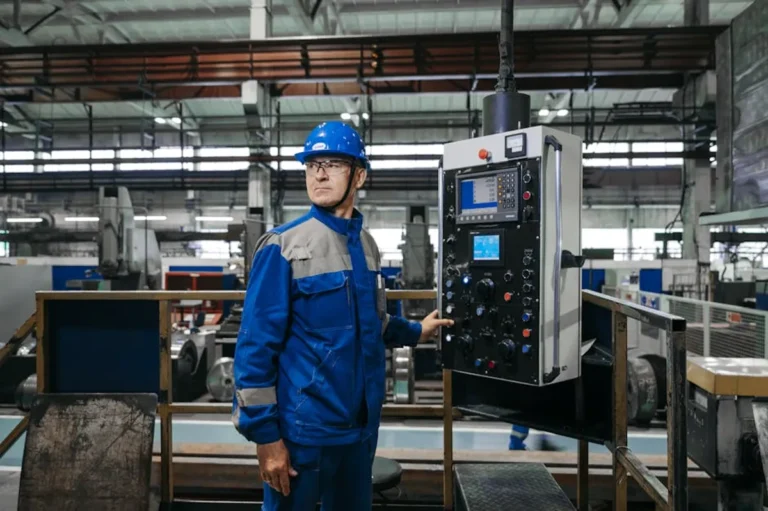

For any buyer sourcing industrial components, finished goods, or manufacturing services, understanding industrial quality control (QC) is not merely an advantage—it is a fundamental requirement for mitigating risk, ensuring product consistency, and safeguarding brand reputation. This guide outlines the essential principles and practical considerations for evaluating, selecting, and verifying quality control processes, empowering buyers to make informed decisions that directly impact their supply chain’s reliability and their end-product’s performance. Understanding quality control for industrial projects helps mitigate risk and ensure product consistency.
Defining Industrial Quality Control for Buyers
Industrial quality control encompasses the operational techniques and activities used to fulfill requirements for quality. It involves inspecting, testing, and verifying products or processes at various stages of production to identify and correct defects. For buyers, this translates directly to receiving goods that consistently meet agreed-upon specifications, functional performance, and aesthetic standards. Effective QC prevents non-conforming products from reaching the market, reducing warranty claims, customer dissatisfaction, and costly recalls.
Key focus: Detection and correction of defects during or after production.
Core Benefits of Robust Quality Control for Buyers
Investing time in understanding and vetting a supplier's quality control framework yields tangible benefits that extend beyond mere product compliance:
- Reduced Risk of Defects: Proactive QC minimizes the likelihood of receiving faulty products, protecting your production lines from disruptions and your customers from substandard goods.
- Consistent Product Performance: Ensures that every batch or unit delivered meets the same high standards, critical for maintaining your brand's reputation and customer loyalty.
- Cost Savings: Preventing defects early in the supply chain avoids the significant costs associated with rework, returns, warranty claims, and potential litigation.
- Supply Chain Reliability: Suppliers with strong QC processes are inherently more dependable, leading to fewer delays and more predictable deliveries.
- Enhanced Brand Reputation: Consistently delivering quality products strengthens your market position and builds trust with your customer base.
Understanding Common Industrial Quality Control Methodologies
Various methodologies are employed in industrial settings to manage and assure quality. Buyers benefit from recognizing these approaches, as they indicate a supplier's commitment and capability in quality management.
Statistical Process Control (SPC)
SPC uses statistical methods to monitor and control a process. By tracking key process parameters over time, manufacturers can identify variations and take corrective action before defects occur. For buyers, a supplier utilizing SPC demonstrates a data-driven approach to maintaining process stability and reducing variability in their products.
Buyer takeaway: Indicates a proactive, analytical approach to preventing defects rather than just detecting them.
Total Quality Management (TQM)
TQM is a management approach focused on long-term success through customer satisfaction. It involves all members of an organization in improving processes, products, services, and the culture in which they work. When a supplier adopts TQM, it suggests a holistic commitment to quality that permeates every aspect of their operation, from design to delivery.
Buyer takeaway: Implies a company-wide dedication to continuous improvement and customer-centric quality.
Six Sigma
Six Sigma is a disciplined, data-driven approach and methodology for eliminating defects (driving towards six standard deviations between the mean and the nearest specification limit) in any process—from manufacturing to transactional and from product to service. It aims to improve processes by identifying and removing the causes of defects and minimizing variability. Suppliers employing Six Sigma are typically focused on achieving near-perfect quality levels and process efficiency.
Buyer takeaway: Signals a highly rigorous, quantitative focus on defect reduction and process optimization.
Lean Manufacturing
While primarily focused on waste reduction and efficiency, Lean Manufacturing inherently contributes to quality by simplifying processes and reducing opportunities for error. Fewer steps, less inventory, and clearer workflows often lead to higher quality outputs. A Lean supplier is likely to have streamlined processes that minimize defects born from complexity or unnecessary steps.
Buyer takeaway: Suggests an efficient operation where quality is a byproduct of simplified, waste-free processes.
Pro Tip for Buyers: Do not confuse Quality Control (QC) with Quality Assurance (QA). QC is about inspecting and correcting defects in the product itself. QA is about the system or process used to prevent defects from occurring in the first place. A robust supplier will have both: strong QC to catch issues and strong QA to prevent them.
Critical Considerations When Evaluating Supplier QC Systems
When assessing potential suppliers, a buyer must look beyond simple assurances and delve into the specifics of their quality control framework.
Industry Standards and Certifications
Verify that the supplier adheres to relevant industry standards and holds certifications like ISO 9001 (Quality Management Systems), ISO 13485 (Medical Devices), or AS9100 (Aerospace). These certifications are independently audited and provide a foundational level of confidence in a supplier's commitment to quality processes.
Action: Request copies of current certifications and audit reports.
Technology and Automation in QC
Assess the level of technology integrated into their QC processes. This could include automated optical inspection (AOI), coordinate measuring machines (CMM), non-destructive testing (NDT) equipment, or real-time data monitoring systems. Automation often leads to higher accuracy, consistency, and speed in defect detection compared to manual inspection.
Action: Inquire about specific QC equipment and software used.
Data Collection and Analysis Capabilities
A strong QC system generates and analyzes data to drive continuous improvement. Ask about how they collect data on defects, process variations, and performance metrics. Do they use statistical analysis to identify trends and root causes? Can they provide quality reports with actionable insights?
Action: Request examples of their quality reporting and data analysis. Ensure they can trace products back to specific production batches and QC records.
Supplier Vetting and Audits
For critical components, consider conducting your own on-site audits or employing third-party auditors. This allows for direct observation of their QC procedures, equipment, and personnel. Evaluate their internal audit schedule and how they address non-conformances identified during audits.
Action: Plan for initial and periodic supplier audits, especially for high-value or high-risk procurements.
Training and Personnel Expertise
The best systems are only as good as the people operating them. Inquire about the training and qualifications of their QC staff. Do they have certified quality engineers or inspectors? What is their ongoing training regimen for new technologies or standards?
Action: Ask about staff certifications and training protocols for QC personnel.
Implementing a QC Strategy: A Buyer's Checklist
To effectively integrate QC into your procurement strategy, consider these steps:
- Define Clear Specifications: Ensure all product requirements, tolerances, and performance criteria are explicitly detailed in your purchase orders and contracts.
- Establish Acceptance Criteria: Clearly define what constitutes an acceptable product and what warrants rejection. Include visual standards, dimensional tolerances, and functional test results.
- Agree on Inspection Points: Work with the supplier to identify critical inspection points throughout the manufacturing process, not just at final inspection.
- Mandate Reporting: Require regular quality reports, including defect rates, root cause analyses, and corrective actions taken.
- Implement Incoming Inspection: Plan for your own incoming inspection process for critical components or products to verify supplier claims.
- Feedback Loop: Establish a clear communication channel for providing feedback on received goods and collaborating on continuous improvement.
Moving Forward with Confidence
Understanding and actively engaging with a supplier's industrial quality control processes is not just about avoiding problems; it's about building a resilient, reliable supply chain that consistently delivers value. By focusing on certifications, technological integration, data-driven practices, and personnel expertise, buyers can make procurement decisions that foster long-term quality and contribute directly to their own operational success and market standing.
Frequently Asked Questions
What is the primary difference between Quality Control (QC) and Quality Assurance (QA)?
Quality Control (QC) focuses on identifying and correcting defects in finished products or during production. Quality Assurance (QA) is process-oriented, aiming to prevent defects from occurring in the first place by establishing and maintaining robust systems and procedures.
Why should a buyer care about a supplier's QC processes?
A buyer should care because robust QC directly impacts product consistency, reliability, and safety. It reduces the risk of receiving defective goods, minimizes costly returns and reworks, and protects the buyer's brand reputation and customer satisfaction.
How can a buyer verify a supplier's claims about their QC system?
Verification can involve requesting copies of relevant ISO or industry-specific certifications, reviewing quality documentation and reports, conducting on-site audits, and performing incoming inspections on received goods. Asking for specific examples of how they handle non-conformances is also crucial.
What role do industry standards (e.g., ISO) play in industrial QC?
Industry standards like ISO provide a framework for quality management systems, ensuring that a supplier has documented processes for consistent quality. Adherence to these standards, often verified by third-party audits, gives buyers a baseline assurance of a supplier's commitment to established quality practices.