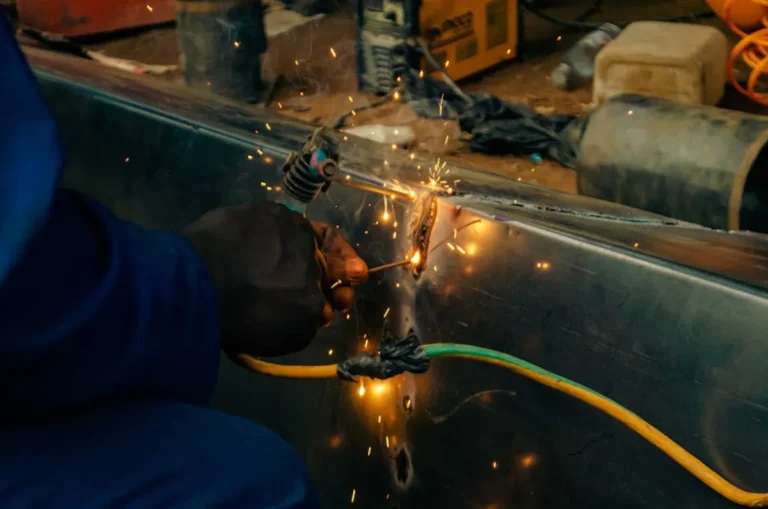

Selecting a steel supplier requires a detailed assessment beyond just unit price. The right partner directly influences project quality, budget adherence, production schedules, and overall operational continuity. A misstep can lead to costly material failures, production delays, or compromised structural integrity. This guide outlines the critical evaluation points necessary for establishing a reliable and commercially advantageous supply chain for your business.
Evaluating Material Quality and Certifications
The foundation of any steel-dependent operation is material quality. Inconsistent or substandard steel can lead to structural weaknesses, increased scrap rates, and potential regulatory non-compliance. A thorough supplier evaluation begins with their commitment to quality assurance.
Understanding Industry Standards
Reputable suppliers adhere to recognized international and national standards. For example, ASTM (American Society for Testing and Materials) and EN (European Norms) specifications dictate chemical composition, mechanical properties, and testing protocols for various steel grades. Suppliers should readily provide documentation confirming their materials meet these standards, such as Mill Test Certificates (MTCs) or Material Test Reports (MTRs). These documents detail the steel's exact properties, including tensile strength, yield strength, elongation, and chemical analysis, directly linking material to its production batch.
Verification Processes
Beyond documentation, consider a supplier's internal quality control. Do they implement third-party testing? Are their facilities ISO 9001 certified, indicating a robust quality management system? Requesting samples for independent laboratory testing, especially for high-stakes applications, provides an additional layer of verification. This proactive step can prevent costly material failures down the line.
Assessing Product Range and Customization Capabilities
Your business needs may extend beyond standard stock items. A supplier's ability to meet diverse requirements efficiently can significantly streamline procurement.
Standard Stock vs. Bespoke Orders
Evaluate the breadth of their inventory. Do they stock common grades, shapes (beams, sheets, pipes, bars), and sizes you frequently use? A wide stock range minimizes lead times for routine orders. For specialized projects, assess their capacity for bespoke orders, including non-standard dimensions, specific alloys, or unique finishes. This involves understanding their relationships with mills and their internal processing capabilities.
Fabrication and Processing Services
Many projects require steel in specific forms, not just raw material.
- Cutting: Laser, plasma, waterjet, or saw cutting to precise dimensions.
- Forming: Bending, rolling, or pressing services.
- Welding: Fabrication of assemblies or sub-assemblies.
- Surface Treatment: Galvanizing, painting, or coating for corrosion resistance or aesthetics.
These value-added services reduce your internal processing costs and complexities, consolidating your supply chain.
Analyzing Pricing Structures and Payment Terms
While not the sole determinant, pricing remains a critical factor. Transparency and flexibility in financial arrangements are key.
Transparent Costing Models
Request detailed quotes that break down costs, including material price per unit, cutting fees, processing charges, freight, and any surcharges. Understand how price fluctuations in the raw steel market are managed – are prices fixed for a contract period, or do they adjust with market indices? Avoid suppliers with opaque pricing or hidden fees.
Negotiating Favorable Terms
Payment terms can significantly impact your cash flow. Standard terms might be Net 30, but explore options for longer payment cycles, especially for large orders or long-term contracts. Discuss volume discounts, early payment incentives, and credit limits. A supplier willing to discuss and adapt payment terms demonstrates a commitment to a long-term partnership.
Logistics and Delivery Reliability
Timely and reliable delivery directly impacts your project timelines and production schedules. Delays can halt operations and incur substantial penalties.
Geographic Reach and Fleet Capacity
Consider the supplier's proximity to your operations and their logistical network. Do they operate their own fleet, or do they rely entirely on third-party carriers? A dedicated fleet often offers greater control over delivery schedules and specialized handling. Inquire about their typical delivery routes, frequency, and capacity to handle peak demand.
Lead Times and On-Time Performance
Obtain clear commitments on lead times for both standard and custom orders. Request data on their historical on-time delivery performance. A supplier with a high on-time delivery rate, even during challenging periods, indicates robust operational planning and execution. Investigate their contingency plans for unforeseen disruptions like weather events or transportation issues.
Pro Tip: When evaluating delivery, ask about packaging and material protection. Improperly packaged steel can arrive damaged, leading to costly rejections and delays. Ensure they use appropriate dunnage, strapping, and weather-resistant covers for transit.
Customer Service and Technical Support
The quality of communication and support can define the ease of doing business.
Responsiveness and Communication
Assess how quickly and effectively a supplier responds to inquiries, quotes, and order changes. A dedicated account manager can provide a single point of contact, streamlining communication. Clear, proactive communication regarding order status, potential delays, or material availability is invaluable.
Post-Sale Assistance
Inquire about their process for handling discrepancies, returns, or quality claims. A supplier with a clear, efficient dispute resolution process minimizes downtime and protects your interests if issues arise after delivery. Technical support for material selection or application advice can also be a significant value-add.
Supplier Reputation and Financial Stability
A supplier's track record and financial health are indicators of their long-term viability and reliability.
Client References and Track Record
Request references from other businesses in your industry or with similar procurement needs. Speak to these references about their experiences regarding quality, delivery, service, and problem resolution. A consistent positive track record is a strong indicator of future performance.
Operational Longevity
Consider the supplier's time in business. Established companies often have more refined processes, stronger mill relationships, and greater financial resilience. While new entrants can be innovative, their long-term stability may be less proven. Financial health checks can provide insight into their ability to withstand market fluctuations and fulfill long-term contracts.
Sustainability Practices and Ethical Sourcing
For many businesses, sustainability is no longer optional but a core value and a regulatory requirement.
Environmental Certifications
Inquire about their environmental policies and certifications (e.g., ISO 14001). Do they source from mills that use electric arc furnaces (EAFs) which typically have a lower carbon footprint than traditional blast furnaces? Are they transparent about their energy consumption and waste management practices?
Supply Chain Transparency
Understand their commitment to ethical sourcing. This includes ensuring fair labor practices in their own operations and throughout their supply chain. While challenging to verify fully, a supplier's willingness to discuss these issues and provide relevant documentation demonstrates a commitment to responsible business practices.
Securing Your Supply Chain: A Structured Approach
Choosing a steel supplier is a strategic decision that warrants a structured approach. Develop a scorecard that weights these criteria according to your business priorities. Conduct site visits where feasible to assess facilities, inventory management, and quality control procedures firsthand. Consider starting with smaller orders to test a new supplier's performance before committing to larger volumes. Diversifying your supplier base, even with a primary and secondary option, can also mitigate risks.
Frequently Asked Questions
What is the most important factor when choosing a steel supplier?
Material quality and adherence to industry standards are paramount. Substandard materials can lead to catastrophic failures, regardless of price or delivery speed.
How can I verify a supplier's quality claims?
Request Mill Test Certificates (MTCs), check for ISO 9001 certification, and consider independent third-party lab testing of material samples for critical applications.
Should I prioritize price over other factors?
No. While price is important, prioritizing it above quality, reliability, and service can lead to higher long-term costs due to material failures, production delays, and rework.
What are common red flags to watch out for?
Red flags include opaque pricing, lack of clear quality documentation, inconsistent communication, poor references, and an inability to provide details on their logistics or contingency plans.