
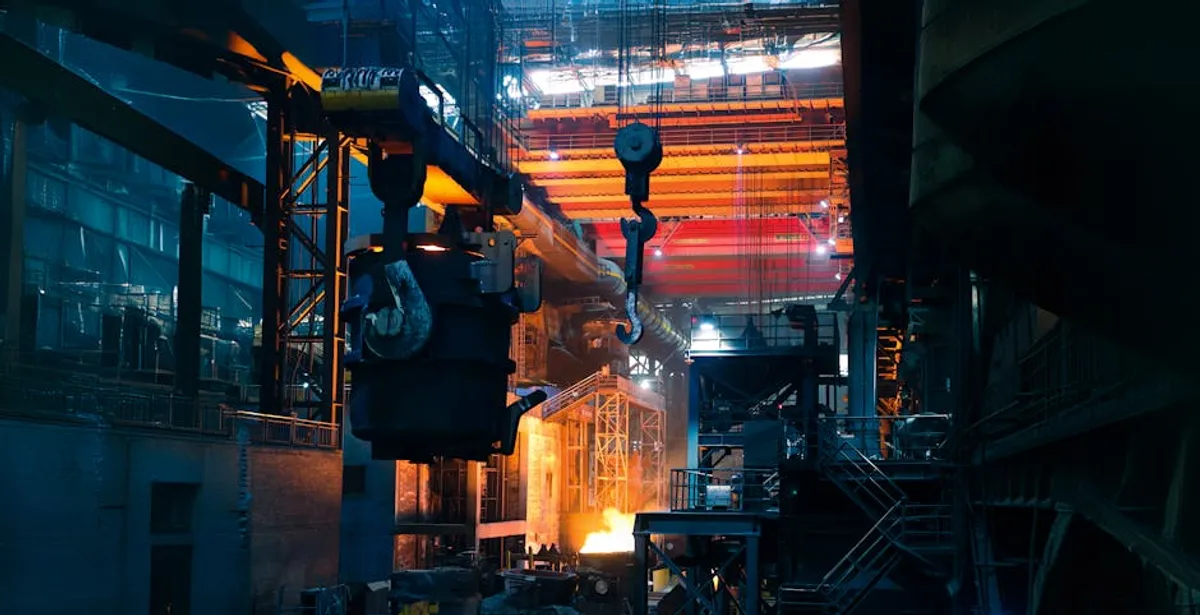
Procuring steel demands a rigorous approach that balances technical suitability with financial prudence. Simply comparing per-ton prices or glancing at a material grade number risks costly project delays, material failures, or unnecessary overspending. An effective comparison strategy requires a deep understanding of both steel specifications and the nuanced factors driving market prices, ensuring the selected material meets performance requirements without inflating the budget. Avoiding common procurement pitfalls can save projects from costly delays and material failures.
Key Steel Specifications to Evaluate
Understanding the precise characteristics of steel is foundational to any comparison. These properties dictate how the material will perform under specific conditions and its suitability for an intended application.
Material Grade and Composition
Steel grades, such as ASTM A36, AISI 1018, or EN S275JR, denote specific chemical compositions and manufacturing processes. Each element in the alloy—carbon, manganese, silicon, chromium, nickel, molybdenum—contributes to the steel's properties. For instance, higher carbon content generally increases hardness and strength but reduces ductility. Specifying the correct grade ensures the material possesses the inherent characteristics required for the application, from structural integrity to corrosion resistance. Deviating from the required grade, even slightly, can compromise performance or lead to over-specification, incurring needless expense.
Mechanical Properties
Beyond chemical composition, mechanical properties quantify how steel reacts to external forces. These are critical for engineering and structural applications.
- Yield Strength: The stress at which a material begins to deform plastically. Essential for preventing permanent deformation under load.
- Tensile Strength: The maximum stress a material can withstand before breaking. Important for ultimate load-bearing capacity.
- Elongation: A measure of ductility, indicating how much a material can stretch before fracturing. Crucial for formability and resistance to brittle fracture.
- Hardness: Resistance to indentation, scratching, or abrasion. Relevant for wear-resistant applications.
- Impact Toughness: The material's ability to absorb energy and deform plastically before fracturing, often measured by Charpy V-notch tests at specific temperatures. Critical for applications in cold environments or those subject to sudden impacts.
These values are typically provided in material test reports (MTRs) and must align with design requirements. A lower-cost option with insufficient mechanical properties is a false economy.
Dimensions and Tolerances
Steel is supplied in various forms—plates, sheets, beams, bars, tubes—each with specific dimensional requirements. Tolerances define the permissible deviation from nominal dimensions. For example, a steel plate might have a thickness tolerance of +/- 0.5mm. Tighter tolerances often translate to higher costs due to more precise manufacturing and inspection. Specifying unnecessarily tight tolerances can inflate prices, while loose tolerances might lead to fit-up issues during fabrication, increasing labor costs and waste.
Surface Finish and Coatings
The surface condition of steel impacts its appearance, corrosion resistance, and suitability for further processing. Options range from hot-rolled (typically rougher, with mill scale) to cold-rolled (smoother, tighter tolerances) or various coated products (galvanized, painted). Galvanization, for instance, adds a zinc layer for corrosion protection but also increases cost. The choice depends on the environmental exposure and aesthetic needs of the final product.
Certifications and Standards
Adherence to international or national standards (e.g., ASTM, EN, JIS, ISO) ensures material quality and consistency. Certifications, often provided through MTRs, confirm that the steel meets specified chemical and mechanical requirements. For critical applications, third-party inspection certificates or specific industry approvals (e.g., for pressure vessels or marine use) may be mandatory. Verifying these certifications is not just a compliance step; it's a quality assurance measure that prevents costly material failures.
Factors Influencing Steel Prices
Steel pricing is dynamic and influenced by a complex interplay of global and regional market forces. A comprehensive comparison requires understanding these underlying factors.
Raw Material Costs
The primary raw materials for steel production are iron ore, coking coal, and scrap metal. Fluctuations in the global prices of these commodities directly impact the cost of steel. Iron ore prices, for instance, are highly volatile and can account for a significant portion of steel production costs. Scrap metal availability and pricing also play a crucial role, particularly for electric arc furnace (EAF) steel production.
Production Method
Steel is primarily produced via two methods: Basic Oxygen Furnace (BOF) or Electric Arc Furnace (EAF). BOF typically uses iron ore and coking coal, while EAF primarily uses recycled scrap metal. Each method has different energy requirements, environmental impacts, and associated costs, which are reflected in the final product price. The chosen method can also influence the availability of certain grades and product forms.
Market Demand and Supply
Like any commodity, steel prices are sensitive to the balance of demand and supply. High demand from major consuming sectors (construction, automotive, infrastructure) coupled with limited supply can drive prices up. Conversely, oversupply or a downturn in key industries can lead to price reductions. Geopolitical events, trade policies, and economic outlooks all contribute to this volatility.
Volume and Customization
Larger order volumes often qualify for lower per-unit prices due to economies of scale in manufacturing and logistics. Custom steel specifications, non-standard dimensions, or specialized alloys typically command a premium because they require unique production runs, tooling, or processing. Standard, off-the-shelf products are generally more cost-effective.
Logistics and Surcharges
The final price includes transportation costs, which vary based on distance, mode of transport, and fuel prices. Additionally, suppliers may apply various surcharges, such as energy surcharges, alloy surcharges (to account for volatile alloying element costs), and environmental surcharges. Understanding these line items is crucial for an accurate price comparison.
Price Quotation Structures
Steel can be quoted in various ways, impacting the final cost. Common structures include price per metric ton, per linear foot, or per piece. Incoterms (International Commercial Terms) like FOB (Free On Board) or CIF (Cost, Insurance, and Freight) define who is responsible for shipping costs and insurance at different points in the supply chain. A quote for FOB origin means the buyer pays for all shipping from the supplier's location, whereas CIF includes these costs up to the port of destination. Always clarify the Incoterms to ensure a true apples-to-apples comparison.
Developing Your Comparison Framework
A structured approach minimizes errors and ensures all critical factors are considered.
- Define Minimum Requirements: Establish non-negotiable specifications (grade, mechanical properties, critical dimensions) based on engineering and design needs.
- Prioritize Attributes: Identify which specifications are most critical for performance and which offer flexibility. For instance, yield strength might be critical, while a slight variation in surface roughness might be acceptable.
- Create a Comparison Matrix: Use a spreadsheet to list all relevant specifications and pricing components. This allows for direct comparison across multiple suppliers. Include columns for supplier name, material grade, key mechanical properties, dimensions, tolerances, surface finish, certifications, unit price, total price, lead time, and Incoterms.
- Standardize Units: Ensure all quotes and specifications use consistent units (e.g., metric tons vs. short tons, MPa vs. psi) to avoid conversion errors.
Warning: Never base a steel purchasing decision solely on the lowest unit price. A cheaper material that fails to meet specifications can lead to catastrophic failures, extensive rework, project delays, and significant financial penalties. Always prioritize meeting technical requirements before optimizing for cost.
Gathering and Verifying Information
Reliable data is paramount. Request comprehensive documentation from all potential suppliers.
Technical Data Sheets: Obtain official data sheets for each proposed material, detailing chemical composition, mechanical properties, and manufacturing standards. Cross-reference these with your project's engineering requirements.
Material Test Reports (MTRs): For actual purchased material, MTRs (also known as Mill Certificates or Mill Test Reports) are essential. These documents verify the material's conformance to specifications, including heat number, chemical analysis, and mechanical test results. Ensure MTRs are traceable to the specific batch of steel you are considering.
Multiple Quotes: Solicit at least three quotes for each specific steel requirement. This provides a market benchmark and allows for negotiation. Clearly define the scope of the quote, including quantity, delivery terms, and any special processing.
Supplier Reputation and Track Record: Investigate potential suppliers. Check their history, quality control processes, and customer references. A supplier with a proven track record of delivering compliant materials on time can mitigate risks, even if their initial price is not the absolute lowest.
Beyond the Unit Price: Total Cost of Ownership
The true cost of steel extends beyond its purchase price. Consider the total cost of ownership (TCO).
Fabrication Costs: A material that is harder to cut, weld, or form due to its properties or inconsistent dimensions can increase fabrication labor and tooling costs. Conversely, a higher-grade steel might allow for thinner sections, reducing overall material weight and welding time.
Waste and Rework: Non-compliant material, dimensional inaccuracies, or poor surface finishes can lead to scrap, rework, and project delays, all of which add significant unforeseen costs.
Lead Times and Reliability: Delays in material delivery can halt production and incur penalties. Factor in a supplier's reliability and lead time commitments. A slightly higher price for guaranteed on-time delivery might be more cost-effective than a cheaper option with unpredictable lead times.
Logistics and Handling: Consider the costs associated with receiving, storing, and handling the steel. This includes unloading, internal transport, and any specialized storage requirements.
Optimizing Your Steel Procurement Process
Effective steel comparison is an ongoing process of due diligence and strategic decision-making. Focus on a holistic evaluation that integrates technical suitability, verifiable quality, and the total cost of ownership. By systematically assessing specifications and pricing factors, businesses can secure the right materials at competitive rates, ensuring project success and mitigating financial risks.
Frequently Asked Questions
What is the most critical steel specification to check?
The most critical specification depends entirely on the application. For structural components, yield strength and tensile strength are paramount. For corrosion resistance, the specific alloy composition and surface treatment are key. Always refer to your engineering design requirements first.
How do I verify a supplier's steel quality claims?
Always request Material Test Reports (MTRs) or Mill Certificates for the specific batch of steel being purchased. These documents provide certified chemical analysis and mechanical test results, which you can cross-reference against your required specifications. For critical projects, consider independent third-party inspection.
Why do steel prices fluctuate so much?
Steel prices are highly volatile due to global factors such as the cost of raw materials (iron ore, coking coal, scrap), energy prices, transportation costs, international demand and supply dynamics, and geopolitical events. These factors create a complex and constantly shifting market.
Is it always better to buy steel in larger quantities?
Generally, larger quantities can lead to lower per-unit prices due to economies of scale in production and shipping. However, this must be balanced against storage costs, potential for material degradation over time, and the risk of holding excess inventory if project needs change. Evaluate your total cost, not just the unit price.