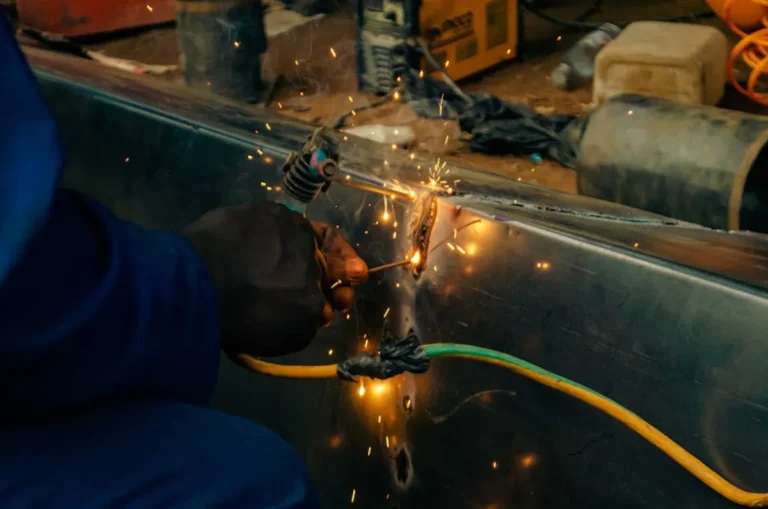

Staying competitive in industrial manufacturing demands foresight into emerging technological and operational shifts. For 2026, several key trends are coalescing, fundamentally reshaping production processes, supply chains, and market dynamics. Understanding these trajectories is critical for strategic planning, capital allocation, and maintaining market relevance in an increasingly complex global landscape. Manufacturers must evaluate these shifts not as isolated developments, but as interconnected forces influencing efficiency, sustainability, and market positioning.
Artificial Intelligence and Machine Learning in Production
The integration of Artificial Intelligence (AI) and Machine Learning (ML) continues to deepen within manufacturing, moving beyond theoretical applications to tangible operational improvements. In 2026, AI algorithms will be instrumental in optimizing production lines, enhancing quality control, and predicting equipment failures with greater accuracy. This translates directly into reduced operational costs and increased output efficiency.
Predictive Maintenance for Uptime Optimization
AI-driven predictive maintenance systems analyze sensor data from machinery in real-time, identifying subtle deviations that indicate impending failures. This allows maintenance teams to schedule interventions proactively during planned downtime, rather than reacting to catastrophic breakdowns. For instance, an AI model might detect an abnormal vibration pattern in a critical motor days before it would seize, enabling a controlled component swap. This capability minimizes unscheduled downtime, which can cost manufacturers hundreds of thousands per hour in lost production and repair expenses.
AI-Driven Quality Assurance
ML algorithms are increasingly deployed in visual inspection systems, surpassing human capabilities in speed and consistency. These systems can identify microscopic defects, material inconsistencies, or assembly errors on production lines moving at high speeds. By learning from vast datasets of acceptable and defective products, AI can maintain stringent quality standards 24/7, reducing scrap rates and warranty claims. This precision ensures product integrity and protects brand reputation, which is particularly critical in high-value or safety-critical manufacturing sectors.
Advanced Robotics and Hyper-Automation
Robotics are evolving beyond repetitive, fixed-position tasks. The focus for 2026 is on flexible, collaborative, and autonomous systems that can adapt to changing production demands and work safely alongside human operators. This shift towards hyper-automation integrates various technologies to automate processes end-to-end, not just individual tasks.
Collaborative Robots (Cobots) for Flexible Production
Cobots are designed to interact with humans in a shared workspace without safety cages, enhancing flexibility in production. They can perform tasks like assembly, material handling, and quality inspection, often taking over ergonomic strain-inducing or repetitive jobs. This allows human workers to focus on more complex, value-added activities, improving overall productivity and worker satisfaction. Their ease of programming and reconfigurability make them suitable for shorter production runs and customized orders.
- Reduced capital expenditure compared to traditional industrial robots.
- Faster deployment and integration into existing workflows.
- Improved safety through advanced sensors and force-limiting capabilities.
- Enhanced adaptability for product variations and small-batch manufacturing.
Autonomous Mobile Robots (AMRs) for Logistics Optimization
AMRs are transforming internal logistics by autonomously transporting materials, components, and finished goods across factory floors and warehouses. Unlike traditional Automated Guided Vehicles (AGVs), AMRs navigate dynamically using onboard sensors and AI, avoiding obstacles and optimizing routes in real-time. This reduces manual labor for material handling, decreases the risk of human error, and ensures a continuous flow of materials to production lines, directly impacting throughput and inventory management.
Sustainable Manufacturing and Circular Economy Integration
Environmental, Social, and Governance (ESG) pressures, coupled with rising resource costs, are pushing manufacturers towards more sustainable practices. By 2026, embedding circular economy principles will be a competitive differentiator, focusing on resource efficiency, waste reduction, and renewable energy integration across the entire product lifecycle.
Energy Efficiency and Renewable Integration
Manufacturers are investing in smart energy management systems that monitor and optimize energy consumption in real-time, identifying inefficiencies and peak demand periods. The adoption of on-site renewable energy sources, such as solar panels, and participation in renewable energy purchasing agreements will become more widespread. This not only reduces operational costs but also lowers carbon footprints, aligning with regulatory requirements and consumer preferences for environmentally responsible products.
Material Circularity and Waste Reduction
The circular economy emphasizes designing products for longevity, repairability, and recyclability. Manufacturers will increasingly implement strategies to recover and reuse materials, minimize waste generation, and explore closed-loop systems. This includes advanced recycling technologies, remanufacturing programs for components, and partnerships for industrial symbiosis where one company's waste becomes another's raw material. Such initiatives reduce reliance on virgin resources and mitigate supply chain risks associated with material scarcity.
Supply Chain Resilience and Regionalization
Recent global disruptions have exposed vulnerabilities in extended supply chains. For 2026, manufacturers are prioritizing resilience through diversification, nearshoring/reshoring, and advanced digital tools for real-time visibility. The goal is to build robust supply networks that can withstand shocks and ensure continuity of operations.
Pro Tip: Diversify your supplier base beyond single-source dependencies. While consolidating suppliers might offer immediate cost benefits, it significantly amplifies risk in the face of geopolitical instability, natural disasters, or localized labor issues. A multi-source strategy, even if marginally more expensive upfront, provides crucial redundancy and flexibility when disruptions occur, safeguarding production continuity and market commitments.
Digital Supply Chain Twins
The concept of a digital twin, a virtual replica of a physical system, is extending to entire supply chains. A digital supply chain twin provides an end-to-end, real-time visualization of inventory levels, production schedules, logistics, and demand forecasts. This allows manufacturers to simulate various scenarios, identify bottlenecks before they occur, and optimize inventory placement. This enhanced visibility enables faster, data-driven decision-making, improving responsiveness to market changes and unexpected events.
Nearshoring and Reshoring Initiatives
A strategic shift towards bringing manufacturing operations closer to end markets or back to domestic soil is gaining momentum. While potentially increasing labor costs, nearshoring and reshoring reduce lead times, simplify logistics, and offer greater control over quality and intellectual property. This strategy also mitigates risks associated with geopolitical tensions, tariffs, and lengthy international shipping routes, contributing to more predictable and agile supply chains.
Navigating the Future of Industrial Production
The industrial manufacturing landscape in 2026 will be defined by intelligent automation, sustainable practices, and resilient supply chains. Manufacturers who strategically invest in these areas will gain significant competitive advantages, characterized by enhanced operational efficiency, reduced environmental impact, and a stronger ability to adapt to market fluctuations. Proactive engagement with these trends, rather than reactive adaptation, will determine market leadership.
Frequently Asked Questions
What is the most impactful trend for small and medium-sized manufacturers (SMMs)?
For SMMs, the most impactful trend is the adoption of collaborative robots (cobots) and AI-driven quality assurance. Cobots offer a lower entry barrier for automation due to their flexibility and lower capital investment, while AI for quality control provides significant cost savings through reduced waste and improved product consistency without requiring extensive infrastructure.
How can manufacturers prepare for these technological shifts?
Preparation involves a multi-faceted approach: investing in workforce training for new digital and automation skills, developing a clear digital transformation roadmap, fostering partnerships with technology providers, and conducting pilot projects to test and scale new solutions gradually. Data infrastructure upgrades are also critical to support AI and IIoT applications.
What role does data play in these industrial trends?
Data is the foundational element for nearly all emerging trends. AI and ML models rely on vast, high-quality datasets for training and operation. Digital twins are built on real-time data streams from IIoT sensors. Effective supply chain resilience requires comprehensive data visibility. Manufacturers must focus on robust data collection, integration, and analytics capabilities to leverage these trends effectively.