Maintaining a robust safety culture within metalworking environments is not merely a regulatory obligation; it is a fundamental operational imperative that directly impacts productivity, financial stability, and employee retention. Proactive safety measures mitigate risks that lead to costly downtime, increased insurance premiums, and potential legal liabilities. This guide outlines essential safety protocols and considerations for metalworking operations, focusing on practical application and the commercial benefits of a secure workspace.
Understanding Common Metalworking Hazards
Metalworking introduces a spectrum of hazards that demand specific attention. Identifying these risks is the first step toward effective mitigation and ensuring continuous operation without incident.
Mechanical Hazards
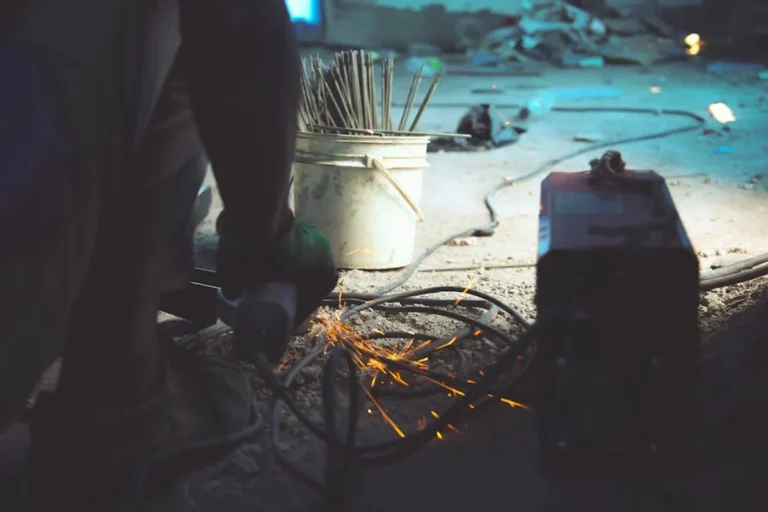
Equipment such as lathes, milling machines, grinders, and presses present significant mechanical risks. Rotating parts, sharp cutting tools, and moving machine components can cause severe injuries. Pinch points, where two parts move together, and crushing hazards, particularly with heavy materials or hydraulic presses, necessitate strict guarding and operational protocols. Unsecured workpieces or tools can become projectiles, posing further danger.
Thermal Hazards
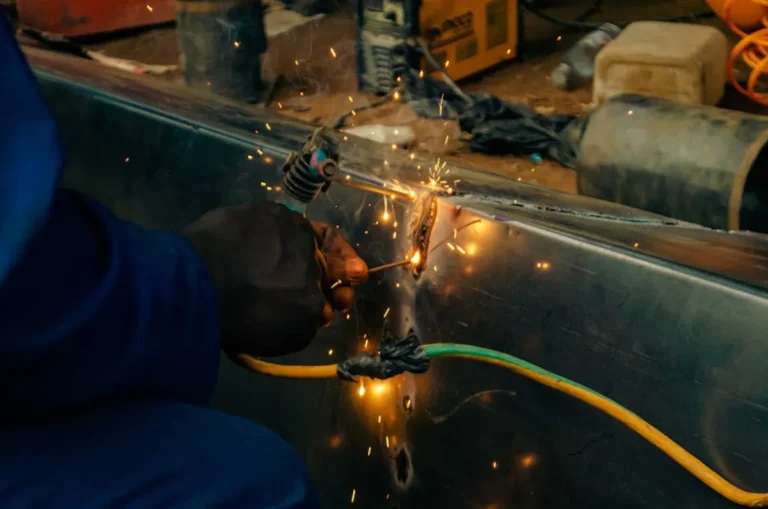
Working with metals often involves high temperatures. Molten metal, hot workpieces, welding arcs, and sparks generate intense heat, presenting burn risks. Processes like forging, casting, and heat treating expose workers to radiant heat and potential thermal stress, which can lead to fatigue and impaired judgment if not managed with adequate ventilation and hydration.
Chemical Hazards
Metalworking operations utilize various chemicals, including cutting fluids, coolants, lubricants, solvents, and cleaning agents. Exposure can occur through skin contact, inhalation of vapors or mists, and accidental ingestion. Fumes generated during welding, grinding, and machining can contain hazardous particulates and gases, requiring stringent ventilation and respiratory protection to prevent long-term health issues.
Electrical Hazards
The use of electrically powered machinery, welding equipment, and portable tools introduces electrical shock and arc flash risks. Damaged insulation, improper grounding, and inadequate wiring can lead to serious injury or fatality. Regular inspection and maintenance of electrical systems, alongside adherence to lockout/tagout procedures, are critical for preventing electrical incidents.
Noise and Vibration
Metalworking environments are inherently noisy due to machinery operation, grinding, and impact processes. Prolonged exposure to high noise levels can result in permanent hearing loss. Additionally, operating vibrating tools can lead to hand-arm vibration syndrome (HAVS), causing nerve and circulatory damage. Implementing engineering controls and providing appropriate personal protective equipment (PPE) for hearing and vibration are essential. Understanding types of welding processes can also help mitigate vibration and noise hazards.
Essential Personal Protective Equipment (PPE)
PPE serves as the last line of defense against workplace hazards. Selecting and enforcing the correct PPE for each task is fundamental to worker safety and regulatory compliance.
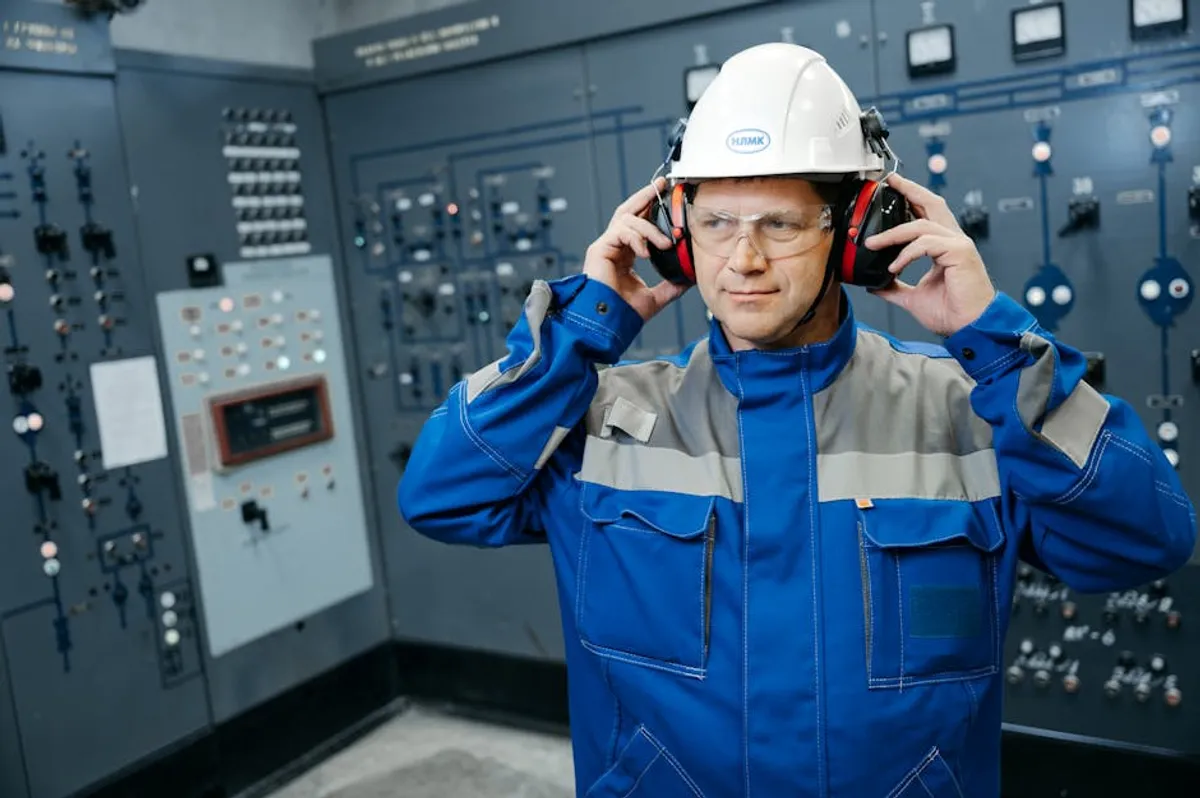
- Eye and Face Protection: Safety glasses with side shields, goggles, and face shields protect against flying debris, sparks, chemical splashes, and intense light from welding.
- Hand Protection: Gloves must be task-specific. Cut-resistant gloves for handling sharp materials, heat-resistant gloves for hot work, and chemical-resistant gloves for handling hazardous substances.
- Hearing Protection: Earplugs or earmuffs are mandatory in high-noise areas to prevent noise-induced hearing loss.
- Foot Protection: Steel-toed safety boots protect against falling objects, crushing injuries, and punctures. Metatarsal guards offer additional protection for the top of the foot.
- Respiratory Protection: Respirators, ranging from disposable dust masks to powered air-purifying respirators (PAPRs), are necessary when working with fumes, fine dust, or chemical vapors. Selection depends on the specific contaminant and its concentration.
- Body Protection: Flame-resistant clothing, leather aprons, and protective sleeves shield against sparks, hot metal, and abrasive materials.
Implementing Safe Operating Procedures
Beyond PPE, established procedures and engineering controls form the backbone of a safe metalworking operation, minimizing exposure at the source.
Lockout/Tagout (LOTO) Protocols
LOTO procedures are critical for preventing accidental machinery startup during maintenance or repair. This involves de-energizing equipment, locking out energy sources, and tagging the controls to indicate that the machine is not to be operated. Strict adherence to LOTO prevents severe injuries from unexpected machine movement or electrical discharge.
Machine Guarding
Physical barriers, interlocks, and light curtains are essential engineering controls that prevent contact with moving parts, cutting tools, and pinch points. Guards must be securely fixed, prevent access to the hazard, and not create new hazards. Regular inspection ensures guards remain effective and in place.
Proper Ventilation and Fume Extraction
Effective ventilation systems are crucial for controlling airborne contaminants. Local exhaust ventilation (LEV) captures fumes and dust at the source, preventing their spread throughout the workspace. General dilution ventilation helps maintain overall air quality. Regular maintenance of these systems ensures optimal performance.
Housekeeping and Material Handling
A clean, organized workspace reduces trip hazards and improves workflow. Clear walkways, properly stored tools, and designated material storage areas are non-negotiable. For material handling, training in safe lifting techniques, utilizing mechanical aids like forklifts or hoists, and securing loads prevent musculoskeletal injuries and accidents.
Emergency Preparedness
Comprehensive emergency plans are vital. This includes clearly marked fire exits, accessible fire extinguishers, well-stocked first aid stations, and trained first responders. Evacuation plans, regular drills, and communication systems ensure a coordinated response to unforeseen incidents.
Pro Tip: Implement a "Stop Work Authority" policy. Empowering every employee to halt operations if they perceive an immediate danger fosters a proactive safety culture and can prevent incidents before they escalate. This reduces potential operational disruptions and liability.
Training and Compliance
Consistent training and adherence to regulatory standards are ongoing requirements for industrial safety. Training programs must be dynamic, reflecting new equipment, processes, and identified risks.
Regular safety training sessions ensure all employees, from new hires to seasoned veterans, understand specific hazards, correct operating procedures, and the proper use of PPE. Hazard communication standards, such as those related to Safety Data Sheets (SDS) for chemicals, must be clearly communicated and understood. Compliance with regulatory bodies, such as OSHA in the United States or the Health and Safety Executive (HSE) in the UK, is non-negotiable. These regulations provide a framework for minimum safety standards, and exceeding them often leads to a more resilient and efficient operation.
Cultivating a Secure Metalworking Environment
Prioritizing industrial safety in metalworking environments yields tangible commercial benefits. A robust safety program reduces the frequency and severity of workplace accidents, directly translating to less downtime, lower workers' compensation costs, and decreased insurance premiums. Beyond financial metrics, a strong safety culture fosters higher employee morale, reduces staff turnover, and enhances the company's reputation as a responsible employer. Investing in safety is an investment in operational continuity and long-term business success.
Frequently Asked Questions
What are the most critical PPE items for metalworking?
The most critical PPE includes eye and face protection (safety glasses, face shields), hand protection (task-specific gloves), hearing protection (earplugs/earmuffs), foot protection (steel-toed boots), and respiratory protection (respirators for fumes/dust). Selection depends on the specific hazards present.
How often should safety training be conducted?
Safety training should be conducted regularly, at least annually, and whenever new equipment, processes, or materials are introduced. New hires require comprehensive initial training, and refresher courses are essential for all employees to reinforce safety protocols.
What is Lockout/Tagout, and why is it important?
Lockout/Tagout (LOTO) is a safety procedure used to ensure that dangerous machines are properly shut off and not able to be started up again prior to the completion of maintenance or servicing work. It is crucial for preventing accidental startup or release of hazardous energy, which can cause severe injuries.
How can small metalworking shops ensure compliance with safety regulations?
Small shops can ensure compliance by conducting regular hazard assessments, providing appropriate PPE, implementing clear safe operating procedures, offering consistent safety training, and staying informed about local and national regulatory requirements. Utilizing available resources from regulatory bodies can also help in developing compliant safety programs.