Purchasing carbon steel requires a clear understanding of its properties and applications to ensure the material meets specific project demands. For beginners, the array of options can seem daunting, but a structured approach to selection focuses on matching the steel's characteristics to its intended use. This guide outlines the fundamental aspects of carbon steel, its common classifications, and the critical factors buyers must evaluate before making a procurement decision. The goal is to equip you with the knowledge to specify and source carbon steel confidently, avoiding costly mismatches and ensuring optimal performance for your application.
Understanding Carbon Steel Classifications
Carbon steel is an iron-carbon alloy containing up to 2.1% carbon by weight, with other elements present in smaller, often residual, quantities. The carbon content is the primary determinant of its mechanical properties, impacting hardness, strength, and ductility. Buyers typically encounter three main classifications, each suited for distinct applications.
Low Carbon Steel (Mild Steel)
Carbon Content: Typically 0.05% to 0.25%
Characteristics: This is the most common and widely used type. Its low carbon content makes it highly ductile, easily machinable, and weldable. It exhibits good formability, allowing it to be bent, stamped, and drawn without fracturing. However, it has lower tensile strength and hardness compared to higher carbon steels.
Best for: Structural components, automotive body panels, pipes, wires, and general fabrication where ductility and ease of processing are prioritized over extreme strength or hardness. Its cost-effectiveness also makes it attractive for high-volume production.
Medium Carbon Steel
Carbon Content: Typically 0.25% to 0.60%
Characteristics: This grade balances ductility and strength. It can be heat-treated to improve its mechanical properties, including hardness and tensile strength, though this reduces its ductility and weldability compared to mild steel. Machinability is fair.
Best for: Axles, gears, railway tracks, crankshafts, and heavy-duty machinery parts. Applications requiring a combination of strength, wear resistance, and some formability benefit from medium carbon steel.
High Carbon Steel
Carbon Content: Typically 0.60% to 1.25%
Characteristics: Known for its high strength, hardness, and wear resistance. These properties are significantly enhanced through heat treatment. However, its high carbon content makes it brittle, difficult to weld, and less ductile. It is also more prone to cracking during heat treatment if not handled properly.
Best for: Cutting tools (knives, saws), springs, high-strength wires, and dies. Any application demanding superior hardness and wear resistance, where ductility is a secondary concern, will often specify high carbon steel.
Essential Considerations for Carbon Steel Procurement
Beyond carbon content, several practical factors influence the selection process for carbon steel. A thorough evaluation of these points ensures the material performs as expected in its final application.
Application and Performance Needs
Define the exact operational environment and required performance. Will the steel be subjected to high impact, continuous friction, extreme temperatures, or cyclic loading? Understanding these stresses dictates the necessary mechanical properties, such as tensile strength, yield strength, hardness (Brinell, Rockwell), and fatigue resistance. For instance, a structural beam needs high yield strength, while a cutting blade requires superior hardness.
Material Form and Finish
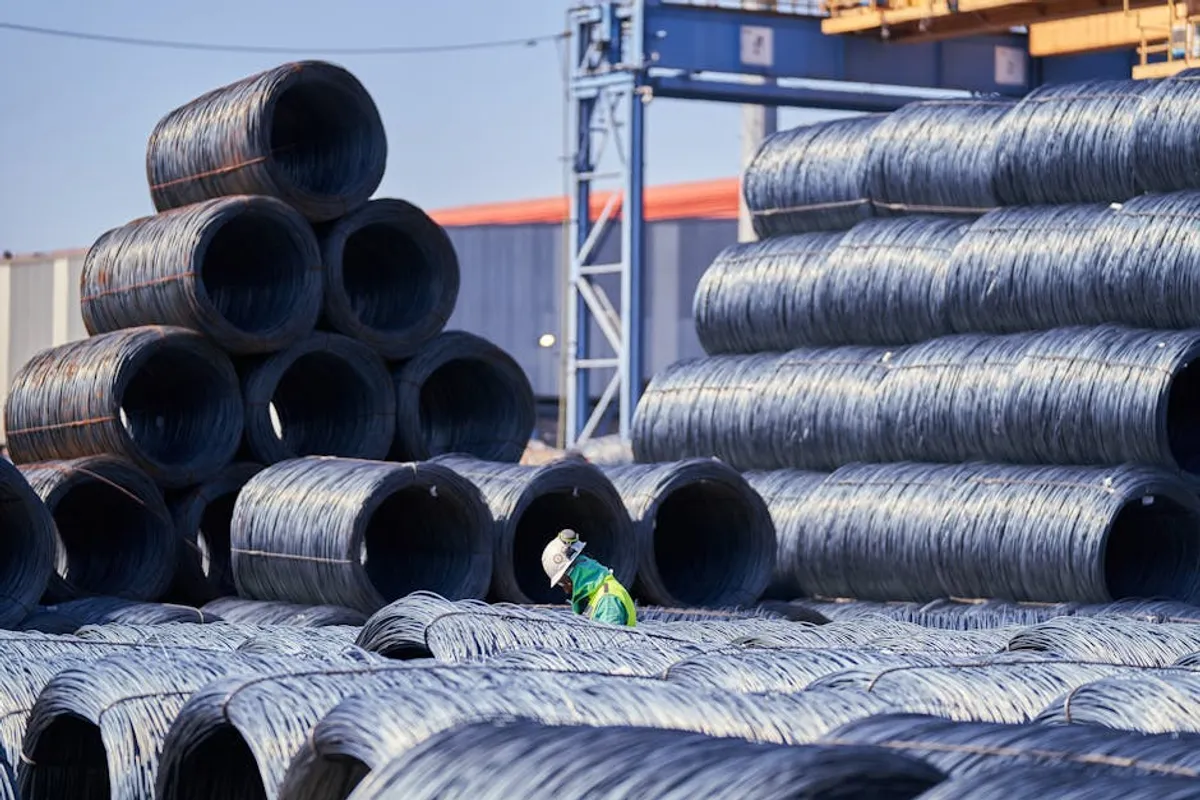
Carbon steel is available in various forms, including sheets, plates, bars (round, square, flat), tubes, pipes, and coils. The required dimensions and shape for your manufacturing process will dictate the initial form. The finish also matters: hot-rolled steel is typically less expensive and suitable for applications where surface finish is not critical, or where further processing (like machining or grinding) will occur. Cold-rolled steel offers a smoother surface, tighter tolerances, and improved mechanical properties due to strain hardening, making it ideal for precision parts and visible components.
Corrosion Resistance and Coatings
While carbon steel offers excellent strength, it is susceptible to corrosion (rust) when exposed to moisture and oxygen. For applications in corrosive environments, consider protective measures. This might involve specifying a steel with a higher alloy content (e.g., stainless steel, though outside the scope of pure carbon steel), or applying coatings such such as galvanization, painting, or powder coating. Factor in the cost and longevity of these protective treatments during the initial material selection.
Cost-Benefit Analysis
The cost of carbon steel varies significantly based on its type, form, finish, and quantity. While low carbon steel is generally the most economical, opting for a cheaper material that fails prematurely will result in higher overall project costs. Conversely, over-specifying an expensive high carbon steel for a simple application is inefficient. Balance the upfront material cost with the long-term performance, maintenance, and replacement costs. Consider the total cost of ownership rather than just the purchase price.
Supplier Vetting and Certifications
Choosing a reputable supplier is as crucial as selecting the right steel. Verify that potential suppliers can provide material test reports (MTRs) or certificates of conformity that detail the steel's chemical composition and mechanical properties. Look for suppliers who adhere to industry standards and have quality management systems in place.
- Material Test Reports (MTRs): Essential documents confirming the material meets specified standards.
- Quality Certifications: ISO 9001 or similar certifications indicate a commitment to quality.
- Traceability: Ensure the supplier can trace the material back to its original mill.
- Delivery and Logistics: Evaluate their ability to meet delivery schedules and handle material safely.
Pro Tip: Always request a sample of the specific carbon steel grade and finish if your application has critical aesthetic or dimensional requirements. This allows for pre-production testing and visual inspection, mitigating risks associated with large-volume orders based solely on specifications.
Navigating Industry Standards
Standardization bodies provide uniform specifications for steel, ensuring consistency in quality and properties across different manufacturers. Familiarize yourself with key standards relevant to carbon steel procurement:
- ASTM International (formerly American Society for Testing and Materials): Widely used in North America, ASTM standards define the chemical, mechanical, and metallurgical properties of various steel products. For example, ASTM A36 specifies carbon structural steel for general construction.
- AISI (American Iron and Steel Institute): This organization developed a system for classifying steels based on their chemical composition, often used in conjunction with SAE.
- SAE International (Society of Automotive Engineers): SAE numbers (e.g., SAE 1018, SAE 1045) are common for carbon steels, indicating their carbon content and other alloying elements, particularly in automotive and machinery applications.
Specifying these standards in your purchase orders ensures you receive material that meets universally recognized benchmarks for quality and performance.
Making Informed Procurement Decisions
Successful carbon steel procurement involves a systematic approach that moves beyond basic material identification. Begin by thoroughly defining the end-use application, including all environmental factors and performance expectations. Translate these needs into specific mechanical properties and material forms. Engage with potential suppliers early to discuss technical requirements, lead times, and cost implications. Always prioritize suppliers who can provide comprehensive material documentation and demonstrate a clear understanding of your project's demands. By integrating these steps, you can confidently select and acquire the carbon steel that precisely fits your operational and budgetary parameters.
Frequently Asked Questions About Carbon Steel for Buyers
What is the primary difference between hot-rolled and cold-rolled carbon steel?
Hot-rolled steel is processed at high temperatures, resulting in a rougher surface finish, less precise dimensions, and generally lower cost. Cold-rolled steel is processed at room temperature, offering a smoother surface, tighter dimensional tolerances, and increased strength and hardness, making it suitable for more precise or aesthetic applications.
Can carbon steel be welded easily?
The weldability of carbon steel largely depends on its carbon content. Low carbon steel (mild steel) is highly weldable due to its ductility. As carbon content increases in medium and high carbon steels, weldability decreases, requiring pre-heating, post-heating, and specific welding techniques to prevent cracking and maintain material integrity.
How do I determine the correct carbon steel grade for my project?
Start by identifying the critical performance requirements of your application, such as strength, hardness, ductility, wear resistance, and machinability. Consult material property charts and industry standards (ASTM, SAE) to match these requirements with appropriate carbon steel grades. If unsure, consulting with a materials engineer or experienced steel supplier can provide expert guidance.