Procurement teams sourcing steel manufacturing face a complex decision matrix, where the choice of supplier directly impacts project timelines, product quality, and long-term operational costs. Beyond initial price quotes, a meticulous vetting process is essential to secure reliable, high-quality material and mitigate supply chain risks. This checklist guides procurement professionals through the critical considerations for evaluating potential steel manufacturing partners, ensuring alignment with project specifications and business objectives. Beyond initial price quotes, a meticulous vetting process is essential to secure reliable, high-quality material and mitigate supply chain risks, which is a key aspect of the steel supply chains checklist for procurement teams.
Key Considerations for Supplier Vetting
Quality Assurance and Certifications
The foundation of any steel procurement decision rests on verifiable quality. Beyond verbal assurances, demand objective proof of adherence to industry standards. Look for manufacturers holding current certifications such as ISO 9001 for quality management systems, which indicates a structured approach to consistency and continuous improvement. Specific material certifications, like ASTM (American Society for Testing and Materials) or EN (European Norms) standards, are non-negotiable for ensuring the steel meets designated mechanical properties, chemical composition, and performance characteristics for its intended application. Request access to material test reports (MTRs) for specific batches, verifying tensile strength, yield strength, elongation, and impact resistance. Traceability systems, allowing tracking of raw materials from origin through the entire manufacturing process, are crucial for accountability and problem resolution.
Best for: Ensuring material integrity and compliance with engineering specifications.
Manufacturing Capabilities and Capacity
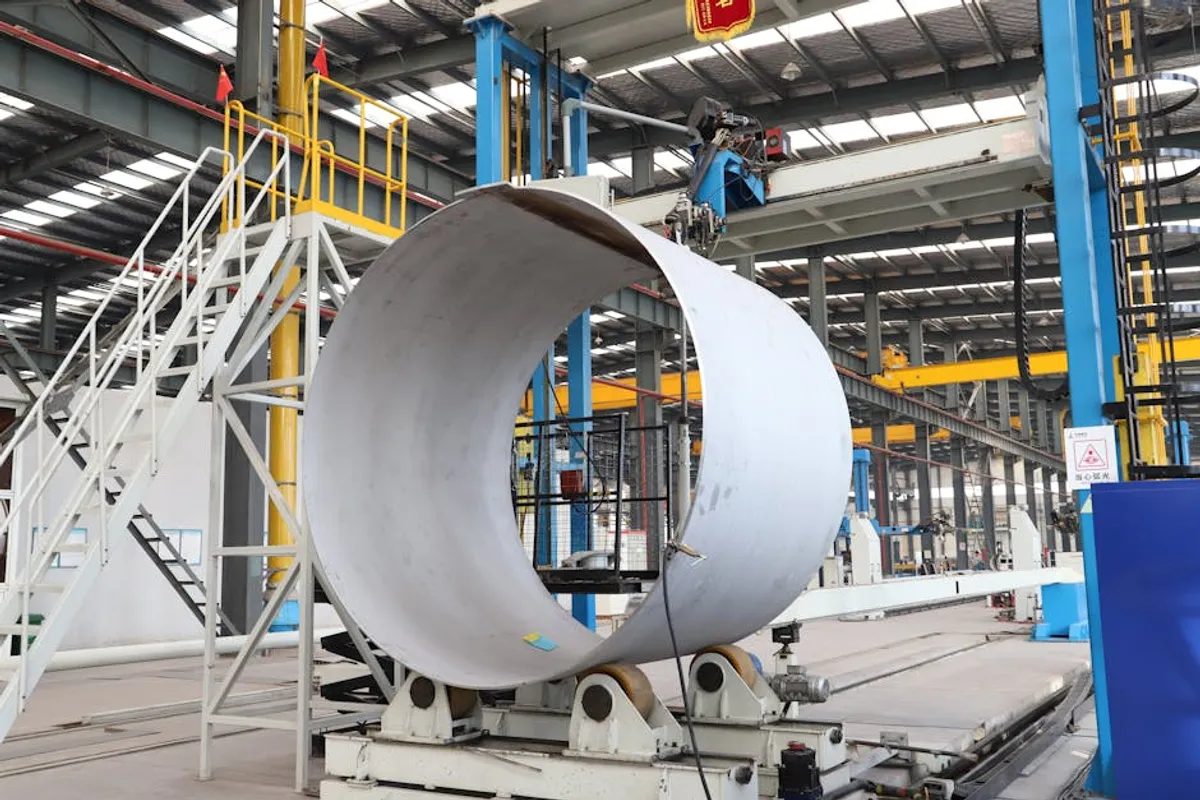
Assess the manufacturer's technical capabilities to meet specific production requirements. This includes their expertise in various steel types (e.g., carbon, alloy, stainless, tool steel) and forms (e.g., sheets, plates, coils, bars, structural shapes, custom profiles). Evaluate the range and modernity of their equipment, such as rolling mills, forging presses, casting facilities, and precision machining centers. Understand their production capacity, not just in terms of raw tonnage, but also their ability to handle peak demand, lead times for custom orders, and flexibility for last-minute adjustments. A manufacturer's willingness and ability to accommodate custom specifications, including specific dimensions, surface finishes, or heat treatments, often distinguishes a strategic partner from a mere commodity supplier.
Best for: Matching supplier capabilities to project scope and volume requirements.
Supply Chain Resilience and Logistics
A reliable supply chain minimizes disruptions and ensures timely delivery. Investigate the manufacturer's raw material sourcing strategy: are they reliant on a single source, or do they have diversified relationships? Understand their inventory management practices for both raw materials and finished goods. Critical inquiry should focus on typical lead times, their on-time delivery track record, and contingency plans for unforeseen events like natural disasters or geopolitical disruptions. Evaluate their logistics infrastructure, including warehousing, transportation partnerships, and experience with international shipping if applicable. Transparent communication protocols are essential for managing expectations and resolving issues promptly.
Best for: Mitigating risks and ensuring consistent material flow.
Financial and Contractual Due Diligence
Pricing Structure and Cost Transparency
Beyond the headline price, analyze the complete cost structure. Request detailed breakdowns that include material costs, manufacturing costs, quality control, packaging, and shipping. Understand the pricing model: is it fixed, cost-plus, or subject to raw material index fluctuations? Clarify payment terms, credit options, and any potential volume discounts. For long-term agreements, discuss price stability mechanisms and review clauses for material cost adjustments. A transparent pricing model fosters trust and allows for accurate budgeting.
Best for: Budget accuracy and long-term cost predictability.
Legal and Compliance Frameworks
Ensure the manufacturer operates within all relevant legal and regulatory frameworks. This includes adherence to local and international trade laws, environmental regulations, and labor standards. Review their contractual terms carefully, paying close attention to clauses regarding liability, warranties, intellectual property protection (especially for custom designs), dispute resolution mechanisms, and termination conditions. Seek clarity on insurance coverage for product liability and shipping. Engaging legal counsel for contract review is standard practice to safeguard organizational interests.
Best for: Legal protection and regulatory adherence.
Sustainability and Ethical Practices
Modern procurement extends beyond cost and quality to encompass environmental and social responsibility. Assess the manufacturer's commitment to sustainability: inquire about their energy consumption, waste management programs, water usage, and efforts to reduce carbon emissions. Look for certifications related to environmental management (e.g., ISO 14001). Investigate their labor practices, ensuring adherence to fair wages, safe working conditions, and the absence of forced or child labor. Responsible sourcing of raw materials, avoiding conflict minerals or environmentally destructive practices, reflects a commitment to ethical supply chains. This not only aligns with corporate social responsibility goals but also insulates your organization from reputational risks.
Pro Tip: Conduct on-site audits or engage independent third-party auditors for critical suppliers. Physical verification of facilities, quality control processes, and compliance documentation often reveals insights not apparent from remote evaluations alone. This step is particularly valuable for high-volume or mission-critical procurements.
Building a Robust Supplier Relationship
Procurement is not a one-time transaction; it's the establishment of a strategic partnership. Beyond the initial checklist, consider the manufacturer's responsiveness, communication style, and willingness to collaborate on design improvements or cost-saving initiatives. A supplier that actively seeks feedback and demonstrates a commitment to continuous improvement is a valuable asset. Evaluate their technical support capabilities and post-delivery service. A strong, transparent relationship built on mutual trust and clear communication is a significant competitive advantage.
Actionable Procurement Steps
To implement this checklist effectively, establish a standardized evaluation process. This should involve:
- Developing a detailed Request for Proposal (RFP) that clearly outlines all technical specifications, quality requirements, delivery schedules, and contractual expectations.
- Creating a weighted scoring matrix for supplier evaluation, assigning importance to different criteria (e.g., quality, price, lead time, sustainability).
- Scheduling initial calls and follow-up meetings with shortlisted manufacturers to clarify any ambiguities and assess cultural fit.
- Requesting samples or conducting pilot orders to validate quality and performance before committing to large volumes.
- Negotiating terms that protect your organization while fostering a fair, long-term partnership.
Regular performance reviews and feedback loops with chosen suppliers are crucial for maintaining standards and driving ongoing improvements. This proactive approach transforms procurement from a reactive task into a strategic function that directly contributes to operational excellence.
Frequently Asked Questions
What are the most critical certifications to look for in a steel manufacturer?
ISO 9001 is foundational for quality management. Beyond that, specific material standards like ASTM or EN are crucial, ensuring the steel meets precise chemical and mechanical properties for its intended use. Environmental certifications like ISO 14001 are increasingly important for sustainability.
How can procurement teams assess a supplier's true manufacturing capacity?
Request data on historical production volumes, current order backlogs, and equipment utilization rates. Inquire about their ability to scale up or down, and ask for examples of how they've handled unexpected surges or drops in demand. On-site visits provide visual confirmation of infrastructure and operational flow.
What role does sustainability play in steel procurement decisions?
Sustainability is a significant factor, impacting corporate social responsibility, brand reputation, and long-term risk management. Evaluate a manufacturer's efforts in reducing emissions, managing waste, conserving resources, and ensuring ethical labor practices. These factors increasingly influence stakeholder and consumer perceptions.
Beyond price, what are key indicators of a reliable long-term steel supplier?
Reliability is indicated by consistent on-time delivery, a low defect rate, transparent communication, and a proactive approach to problem-solving. A willingness to collaborate on design or process improvements, strong technical support, and a commitment to continuous quality enhancement are also strong indicators.