
Navigating the complexities of steel packaging and shipping demands a precise understanding of material science, logistical constraints, and regulatory frameworks. The primary objective is to ensure the safe, undamaged, and cost-effective delivery of steel products, whether raw materials, semi-finished goods, or fabricated components. This involves more than just wrapping; it requires a strategic approach that balances protection against transit risks, compliance with international standards, and optimization of freight costs. Decisions made at the packaging stage directly impact transport efficiency, customs clearance, and ultimately, the final delivered condition and value of the steel.
Core Principles of Steel Packaging
Effective steel packaging begins with an assessment of the product's specific characteristics and its journey. Steel's inherent weight, susceptibility to corrosion, and potential for deformation under stress dictate specialized handling and containment.
Material Selection for Protection
The choice of packaging materials is critical. Steel itself is robust, but surfaces can be vulnerable to scratches, moisture, and impact during transit. Common protective layers include:
- Corrosion Inhibitors: VCI (Volatile Corrosion Inhibitor) papers or films are often used to create a protective atmosphere around the steel, preventing rust formation, especially during long-haul or sea shipments where humidity is a factor.
- Stretch Wrap and Banding: High-strength polyethylene stretch wrap secures bundles and provides a barrier against dust and minor abrasions. Steel or polyester banding reinforces larger loads, preventing shifting and separation.
- Wooden Crates and Skids: For heavier or irregularly shaped steel components, custom-built wooden crates or skids provide structural support and elevate the product for forklift access. These must comply with ISPM 15 international phytosanitary standards if shipping internationally.
- Edge Protectors: Cardboard, plastic, or steel edge protectors safeguard vulnerable edges and corners from impact and prevent banding from biting into the material.
Internal Dunnage and Securing
Beyond external wraps, internal dunnage prevents movement within the package or container. This is particularly important for preventing surface damage from friction or impact. Materials like foam, airbags, or custom-fit blocking and bracing are employed to fill voids and absorb shocks. For coiled steel, eye-to-sky or eye-to-side positioning within a container requires specific dunnage to prevent rolling and secure the coil's integrity.
Shipping Modalities and Their Specific Demands
The chosen mode of transport significantly influences packaging requirements and overall logistical planning. Each modality presents unique challenges and best practices.
Road Freight
Road transport offers flexibility and door-to-door service but subjects steel to constant vibration, sudden stops, and potential shifts. Packaging must secure loads against these dynamic forces. Flatbed trucks require robust tarping to protect against weather, while enclosed trailers offer more environmental control. Load distribution is paramount to comply with axle weight limits and ensure vehicle stability.
Rail Freight
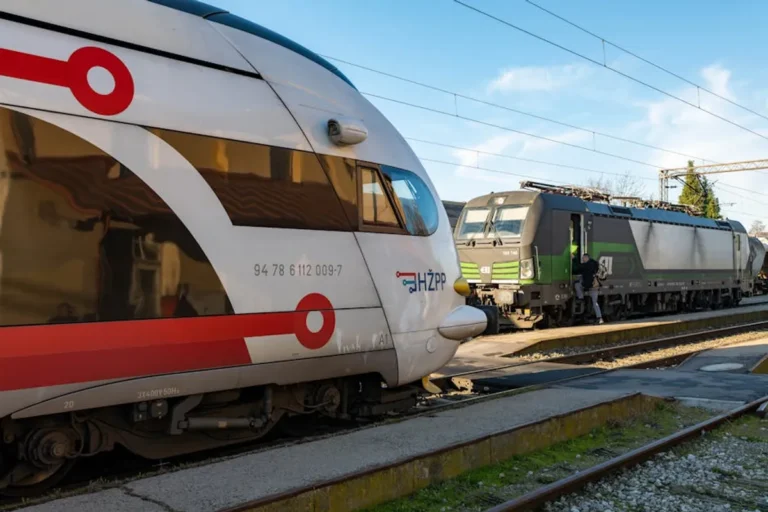
Rail is cost-effective for bulk shipments over long distances. It handles heavier loads than road transport but exposes goods to significant shunting impacts. Specialized rail cars, such as coil cars or flatcars with bulkheads, are designed for steel. Packaging must withstand these longitudinal and vertical forces; heavy-duty bracing and blocking are essential to prevent shifting during coupling and braking.
Sea Freight
Ocean shipping is the primary mode for international steel trade, characterized by long transit times and exposure to corrosive marine environments. Containerization is common for smaller lots, requiring careful loading and lashing inside the container to prevent movement. For larger or oversized steel, breakbulk vessels are used, demanding specialized lifting gear and extensive on-deck securing. Anti-corrosion measures, such as VCI films and desiccants, are critical to combat humidity and condensation within containers (container rain).
Air Freight
While less common for bulk steel due to cost and weight restrictions, air freight is used for urgent, high-value, or smaller steel components. Packaging must be lightweight yet robust enough to withstand cargo hold pressures and handling. Strict adherence to airline-specific size and weight limitations is necessary, often requiring custom crating.
Pro Tip: Always conduct a pre-shipment inspection of both the packaged steel and the transport vehicle/container. Verify that all securing points are tight, dunnage is correctly placed, and weather protection is adequate. A minor oversight before departure can lead to significant damage and cost during transit, especially for international shipments.
Regulatory Compliance and Documentation
Adhering to international and national shipping regulations is non-negotiable for steel logistics. Non-compliance can lead to delays, fines, or even rejection of shipments.
Key documentation includes:
- Bill of Lading (BOL) / Air Waybill (AWB): The contract between the shipper and carrier, detailing the goods, destination, and terms.
- Commercial Invoice: Provides details about the goods, their value, and the buyer/seller. Essential for customs clearance.
- Packing List: Itemizes the contents of each package, aiding in customs inspection and inventory management.
- Certificate of Origin: Verifies the country where the steel was manufactured, impacting tariffs and trade agreements.
- ISPM 15 Certification: For any wooden packaging materials (crates, pallets), ensuring they have been treated to prevent pest spread.
- Safety Data Sheets (SDS): If the steel product has any special coatings or treatments that classify it as hazardous, an SDS is required.
Understanding Incoterms (International Commercial Terms) is also vital, as they define the responsibilities of buyers and sellers for delivery, risk, and costs associated with the transportation of goods.
Optimizing Logistics for Steel Deliveries
Strategic planning in steel logistics aims to minimize costs without compromising product integrity or delivery schedules.
Consolidation and Route Planning
Consolidating smaller shipments into larger, full-load transports can significantly reduce per-unit shipping costs. Route optimization software helps identify the most efficient paths, considering factors like fuel costs, tolls, transit times, and potential bottlenecks. For international shipments, selecting ports with efficient customs processing can reduce dwell times.
Damage Prevention as Cost Control
Investing in appropriate packaging and securing methods upfront is a direct cost-saving measure. Damaged goods lead to costly returns, reprocessing, insurance claims, and reputational harm. Proper packaging minimizes these risks, ensuring the steel arrives in salable condition.
Leveraging Technology
Tracking and tracing technologies provide real-time visibility into shipment status, allowing for proactive problem-solving. Predictive analytics can help anticipate potential delays or risks, enabling adjustments before they impact delivery.
Ensuring Uninterrupted Steel Supply Chains
Effective steel packaging and shipping are not merely operational tasks; they are integral components of a resilient supply chain. By meticulously addressing material protection, transport-specific demands, and regulatory mandates, businesses can mitigate risks, control costs, and uphold customer satisfaction. The upfront investment in robust packaging and informed logistical planning consistently yields dividends in reduced damage, faster transit, and smoother international trade, ultimately securing the integrity and profitability of steel transactions.
Frequently Asked Questions
What is the most common cause of damage to steel during shipping?
The most common causes are corrosion due to moisture exposure, surface abrasions from friction or inadequate dunnage, and deformation from impact or improper load securing leading to shifting during transit.
How do Incoterms affect steel shipping responsibilities?
Incoterms define the exact point at which responsibility for the steel shipment transfers from the seller to the buyer, covering aspects like insurance, freight costs, and customs clearance. Selecting the appropriate Incoterm is critical for clarifying financial and risk liabilities.
Is it always necessary to use VCI packaging for steel?
VCI (Volatile Corrosion Inhibitor) packaging is highly recommended for steel shipments, especially those exposed to fluctuating temperatures, high humidity, or long transit times, such as sea freight. While not always strictly "necessary" for very short, dry domestic routes, it provides a crucial layer of protection against rust that can save significant costs in the long run.