
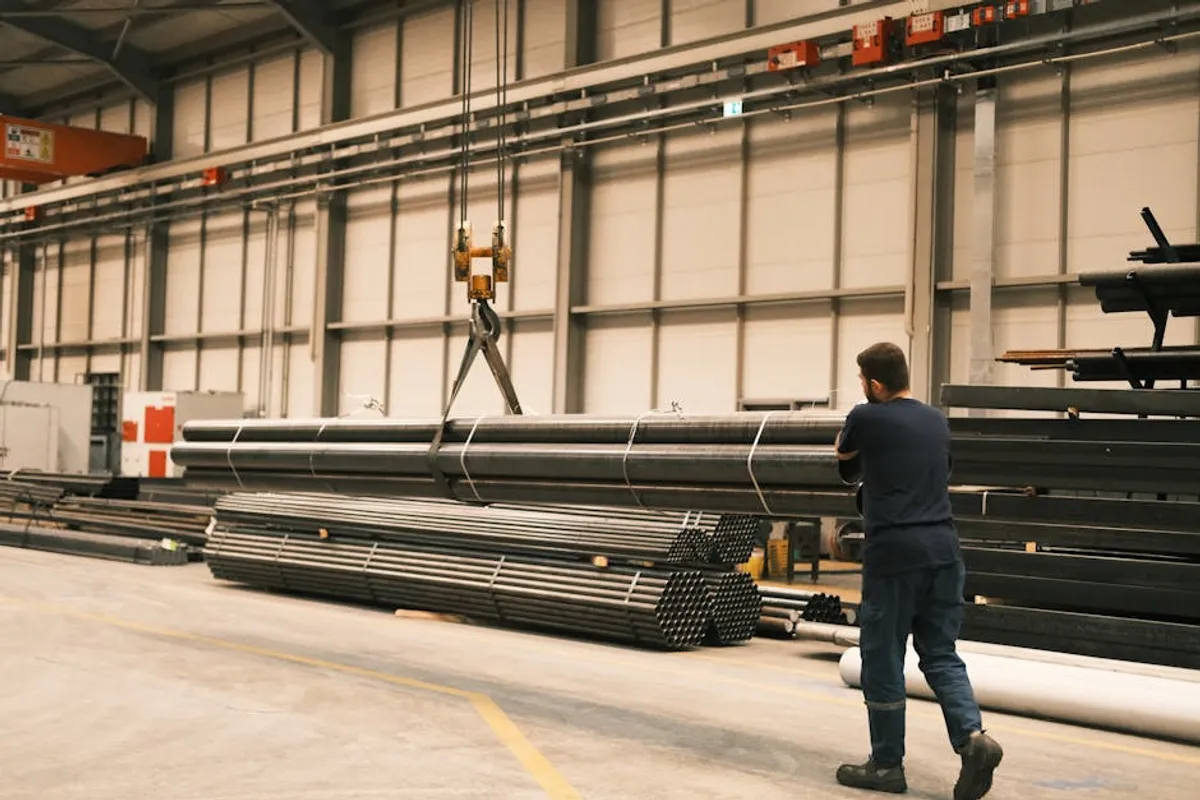
Procuring structural steel represents a significant financial commitment and directly impacts project safety and longevity. For procurement teams, navigating the complexities of material specifications, supplier capabilities, and contractual obligations requires a systematic approach. A comprehensive checklist mitigates risks associated with material quality, delivery delays, and cost overruns, ensuring that the selected steel meets stringent engineering requirements and project timelines. This guide provides a framework for evaluating options and making informed decisions, moving beyond basic price comparisons to focus on long-term value and reliability.
Initial Project Assessment and Specification Definition
Understanding Project Scope and Requirements
Before engaging with suppliers, procurement teams must possess a granular understanding of the project's structural demands. This involves reviewing engineering drawings, structural analysis reports, and architectural plans. Key parameters include the total tonnage required, specific member types (beams, columns, plates), connection details, and fabrication complexity. Misinterpreting these initial requirements can lead to costly change orders, delays, or, critically, structural failures. Accurate early-stage definition reduces ambiguity for potential suppliers and ensures bids are comparable.
Material Grade and Performance Specifications
Structural steel is not a monolithic product; it comes in various grades, each with distinct mechanical properties. Specifying the correct grade is paramount. For example, ASTM A992 is common for structural shapes in building construction due to its high strength-to-weight ratio, while ASTM A36 is a general-purpose carbon structural steel. Beyond grade, consider properties like yield strength, tensile strength, Charpy V-notch impact toughness for cold weather applications, and corrosion resistance requirements. Ensure specifications include relevant international or local standards (e.g., ASTM, EN, JIS) and any supplementary requirements for welding, galvanizing, or fire protection coatings. Precision here prevents material substitutions that compromise structural integrity.
Regulatory Compliance and Certification
All structural steel must adhere to applicable building codes and industry standards. Procurement teams need to verify that specified materials and proposed fabrication methods comply with local, national, and international regulations. This includes ensuring that suppliers provide Material Test Reports (MTRs) or Mill Certificates that trace the material back to the melt and confirm its chemical composition and mechanical properties. These certifications are non-negotiable proof of material quality and compliance. For certain projects, third-party inspection or certification bodies may be required, which should be factored into supplier selection criteria.
Supplier Qualification and Selection
Vetting Manufacturer Capabilities
Evaluating a supplier goes beyond their price list. Assess their manufacturing capacity, equipment, and ability to handle the project's scale and complexity. This includes reviewing their fabrication facilities, cutting, welding, and finishing capabilities. Consider their experience with similar projects and their track record for meeting deadlines. A site visit or a virtual tour, coupled with a review of their equipment maintenance logs, can provide insights into their operational efficiency and quality control commitment. For large or complex projects, consider requiring a pre-qualification questionnaire.
Quality Assurance and Control Protocols
A robust Quality Assurance (QA) and Quality Control (QC) system is critical for structural steel suppliers. Inquire about their ISO 9001 certification or equivalent quality management systems. Understand their internal inspection processes, including non-destructive testing (NDT) capabilities for welds, dimensional accuracy checks, and surface finish inspections. Request details on how they manage non-conforming materials and corrective actions. A supplier's commitment to quality directly translates to the reliability of the delivered product and reduces on-site issues.
Financial Stability and Track Record
Engaging with a financially unstable supplier poses significant risks, including potential project delays or abandonment. Conduct due diligence on potential suppliers' financial health, reviewing credit reports, annual financial statements, and payment history with their own suppliers. Ask for client references and contact them to inquire about project execution, adherence to schedules, and responsiveness to issues. A supplier's reputation for reliability and financial solvency is as important as their technical capabilities.
Pro Tip: Engage structural engineers and fabrication specialists early in the procurement process. Their technical expertise can identify potential design-for-manufacturability issues and confirm that proposed materials and fabrication methods align with project requirements, preventing costly rework during construction.
Commercial Terms and Contract Negotiation
Pricing Structure and Payment Terms
Understand the full cost breakdown, not just the unit price. This includes material costs, fabrication charges, freight, duties, and any special handling fees. Clarify whether pricing is fixed or subject to escalation clauses, especially for long-duration projects or volatile raw material markets. Negotiate payment terms that align with project milestones and cash flow, typically involving an upfront deposit, progress payments, and a final payment upon satisfactory delivery and inspection. Avoid terms that disproportionately favor the supplier without corresponding performance guarantees.
Delivery Schedules and Logistics
Timely delivery is critical to maintaining project schedules. Establish clear delivery milestones, including fabrication completion, shipping dates, and site arrival. Discuss the supplier's logistics capabilities, including their network of transporters and their experience with oversized or heavy haulage. Specify packaging requirements to prevent damage during transit and clarify responsibility for loading and unloading. Include penalty clauses for delayed deliveries and incentives for early completion, if appropriate, to ensure adherence to the agreed timeline.
Warranty, Claims, and Dispute Resolution
A robust warranty protects against material defects and fabrication errors. Define the warranty period, what it covers, and the process for filing claims. The contract should clearly outline procedures for addressing non-conforming materials, including replacement, repair, or financial compensation. Establish a clear dispute resolution mechanism, such as mediation or arbitration, to efficiently resolve disagreements without resorting to protracted litigation. Clarity in these clauses safeguards the project against unforeseen quality issues.
Post-Procurement Oversight
Inspection and Acceptance Procedures
Upon delivery, a systematic inspection process is essential. This includes verifying quantities against packing lists, checking for visible damage during transit, and confirming material grades against MTRs. For critical components, consider engaging an independent third-party inspector to perform visual inspections, dimensional checks, and potentially NDT on welds before acceptance. Establish clear criteria for accepting or rejecting delivered materials to avoid disputes and ensure only compliant steel is used in construction.
Documentation and Traceability
Maintain a complete record of all procurement activities. This includes purchase orders, contracts, material specifications, MTRs, inspection reports, and communication logs. This documentation provides a clear audit trail for quality assurance, regulatory compliance, and potential warranty claims. Ensure that each piece of structural steel can be traced back to its origin and associated quality documentation, which is vital for long-term structural integrity and maintenance.
Ensuring Project Success Through Diligent Procurement
The procurement of structural steel is a complex process demanding meticulous attention to detail at every stage. By systematically applying a comprehensive checklist, procurement teams can move beyond merely securing the lowest bid to ensuring the highest quality materials, reliable supplier performance, and favorable commercial terms. This proactive approach minimizes project risks, supports construction schedules, and ultimately contributes to the long-term safety and durability of the finished structure. Investing time in thorough planning and due diligence during procurement pays dividends throughout the project lifecycle and beyond.
Frequently Asked Questions
What are the most common structural steel grades?
Common grades include ASTM A36 for general construction, ASTM A572 Grade 50 for high-strength low-alloy applications, and ASTM A992 for structural shapes in building construction, offering a good balance of strength and weldability.
How can procurement teams verify supplier certifications?
Verification involves requesting Material Test Reports (MTRs) or Mill Certificates for each batch of steel, cross-referencing them with project specifications, and confirming the supplier's quality management system certifications, such as ISO 9001, through accredited bodies.
What are the primary risks in structural steel procurement?
Key risks include material quality discrepancies, supply chain disruptions leading to delays, price volatility, non-compliance with regulatory standards, and financial instability of suppliers, all of which can impact project timelines and budgets.
Is it always best to choose the lowest bid for structural steel?
No, prioritizing the lowest bid without comprehensive evaluation can lead to compromises in material quality, unreliable delivery, and hidden costs from rework or project delays. A balanced assessment of quality, reliability, and total cost of ownership is crucial.