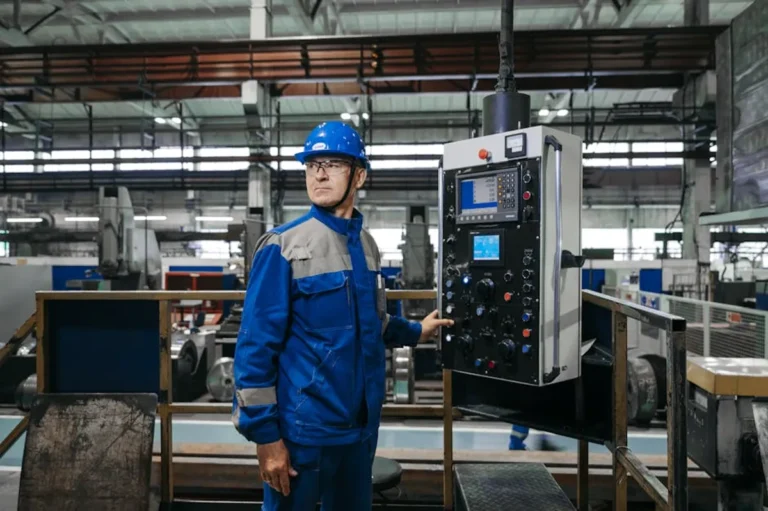

Navigating the procurement of structural steel requires a foundational understanding of its properties, forms, and applications. For buyers, the initial decision hinges on matching material specifications to project demands, balancing structural integrity with cost efficiency and long-term performance. This guide outlines the essential considerations for selecting and purchasing structural steel, ensuring your project benefits from informed material choices. To truly optimize your purchase, consider understanding how structural steel is made and the implications of different manufacturing processes.
Understanding Structural Steel
Structural steel refers to a category of steel products engineered for construction, known for its high strength-to-weight ratio, ductility, and uniform quality. It is a fundamental component in buildings, bridges, and infrastructure due to its ability to support significant loads and withstand various environmental stresses. Unlike other steel types, structural steel adheres to specific industry standards that dictate its chemical composition, mechanical properties, and dimensional tolerances, ensuring predictable performance in demanding applications.
Common Structural Steel Shapes
Structural steel is manufactured into a variety of standard shapes, each designed for specific load-bearing and architectural functions. Selecting the appropriate shape is critical for optimizing structural efficiency and minimizing material waste.
- I-Beams and W-Beams: Characterized by their "I" or "H" cross-section, these are widely used as beams and columns. The wide flanges (W-beams) offer greater strength and stiffness, making them suitable for long spans and heavy loads in commercial and industrial construction.
- Hollow Structural Sections (HSS): These include square, rectangular, and round tubes. HSS members are excellent for columns, bracing, and trusses due to their high strength-to-weight ratio and aesthetic versatility. Their enclosed shape also offers good torsional resistance.
- Channels (C-Channels): Featuring a C-shaped cross-section, channels are often used for framing, supports, and short-span beams. They are typically lighter than I-beams and can be effective in applications requiring a flat back for mounting.
- Angles (L-Shapes): These are L-shaped sections with two perpendicular legs. Angles are versatile for bracing, lintels, and framework, available in equal or unequal leg configurations to suit various connection types.
- Plates and Bars: Steel plates are flat, rectangular sections used for fabricating custom components, gusset plates, and base plates. Bars, including flat and round bars, serve as reinforcement, connection elements, or smaller structural components.
Key Steel Grades and Specifications
Structural steel is produced in various grades, each with distinct mechanical properties and chemical compositions. These grades are standardized by organizations like ASTM International, ensuring consistent quality and performance. Understanding these specifications is paramount for buyers. Buyers must pay close attention to these standards, as ensuring consistent quality and performance is directly tied to the specified grade.
The primary properties to consider are:
- Yield Strength: The stress at which the material begins to deform plastically. Common grades like ASTM A36 offer a minimum yield strength of 36 ksi (kilopounds per square inch), while high-strength low-alloy (HSLA) steels like ASTM A572 Grade 50 provide 50 ksi, allowing for lighter sections or longer spans.
- Tensile Strength: The maximum stress the material can withstand before fracturing. This indicates the steel's ultimate load-bearing capacity.
- Elongation: A measure of the steel's ductility, or its ability to deform without fracturing. Higher elongation values indicate greater toughness and resistance to brittle failure.
- Weldability: The ease with which the steel can be welded without compromising its structural integrity. Certain grades are formulated for superior weldability, crucial for fabricated structures.
Best for: Projects requiring specific load capacities, environmental resistance, or fabrication methods should reference ASTM standards (e.g., A36 for general construction, A572 for higher strength, A992 for building frames).
Factors Influencing Your Purchase Decision
Selecting the right structural steel involves more than just identifying a shape and grade. Buyers must consider the broader project context to ensure optimal material selection and procurement.
Project Requirements and Environment
The intended use and environmental conditions significantly influence material choice. For instance, structures in corrosive environments (e.g., coastal areas, chemical plants) may require weathering steel (e.g., ASTM A588) or specialized coatings. Projects in seismic zones demand ductile steels capable of absorbing energy. Aesthetic considerations might favor HSS sections for exposed architectural elements.
Fabrication and Installation
Consider how the steel will be processed and assembled. Ease of welding, bolting, or cutting can impact fabrication costs and timelines. Some high-strength steels may require specialized welding procedures. The dimensions and weight of chosen sections also affect handling, transportation, and installation logistics on site.
Budget and Lead Time
The cost of structural steel varies based on grade, shape, quantity, and market conditions. High-strength or specialized steels are typically more expensive per ton but can lead to overall cost savings by reducing material volume or fabrication complexity. Lead times for custom or less common sections can be longer, impacting project schedules. Balancing initial material cost with total installed cost is crucial.
Supplier Capabilities and Certifications
A reputable supplier provides not only the material but also expertise and reliable service. Inquire about their inventory, processing capabilities (cutting, drilling, priming), and quality control procedures. Ensure they provide Material Test Reports (MTRs) or Mill Certifications for all delivered steel, verifying compliance with specified standards.
Pro Tip: Always request and thoroughly review Material Test Reports (MTRs) for every batch of structural steel. These documents confirm the steel's chemical composition and mechanical properties, ensuring it meets the specified ASTM grade and performance requirements. Discrepancies can lead to critical structural failures or costly project delays during inspections.
Ensuring a Successful Procurement
A structured approach to purchasing structural steel minimizes risks and optimizes project outcomes. Begin by clearly defining your project's technical specifications, including required grades, dimensions, and any specific fabrication or coating needs.
When engaging with suppliers, ask for detailed quotes that break down material costs, processing fees, and delivery charges. Confirm their ability to meet your project's timeline and their adherence to quality standards. Establishing clear communication channels and reviewing all documentation upfront can prevent misunderstandings and costly rework.
Finally, consider the long-term implications of your material choice, including maintenance requirements and potential for future modifications. A well-informed decision at the procurement stage contributes significantly to the safety, durability, and economic viability of the entire structure.
Frequently Asked Questions
What is the primary difference between mild steel and structural steel?
Mild steel is a type of low-carbon steel generally used for general fabrication where high strength is not critical. Structural steel, while often including mild steel grades like A36, refers to a broader category of steels specifically engineered and standardized for construction applications, possessing defined mechanical properties (like yield strength) to safely support loads.
How do I determine the correct steel grade for my project?
Determining the correct steel grade involves consulting with a structural engineer. They will assess your project's load requirements, environmental conditions, design specifications, and applicable building codes to specify the appropriate ASTM grade and section properties for optimal safety and performance.
Are there common finishes or coatings for structural steel?
Yes, common finishes include shop primer (for temporary corrosion protection before final painting), galvanizing (for long-term corrosion resistance in exposed environments), and intumescent coatings (for fire resistance). The choice depends on the steel's exposure to elements, aesthetic requirements, and fire safety regulations.
Is structural steel considered a sustainable building material?
Structural steel is highly sustainable. It is 100% recyclable without loss of properties, and a significant portion of new steel is produced from recycled scrap. Its durability and long lifespan also reduce the need for frequent replacement, contributing to a lower overall environmental impact.