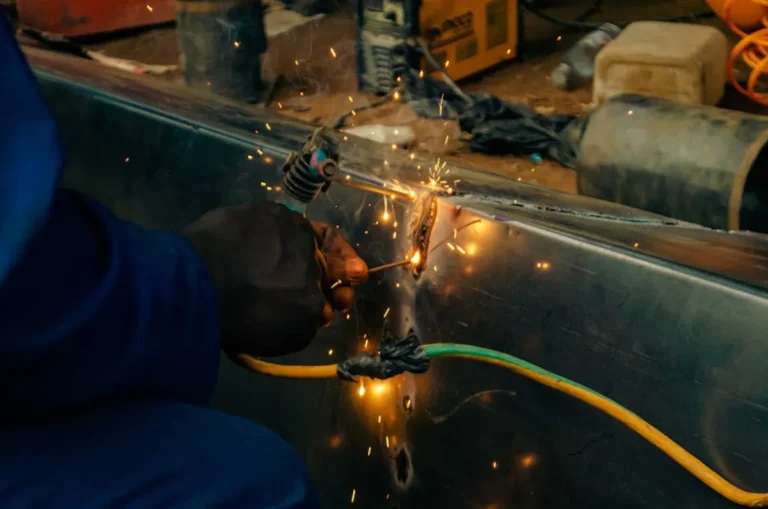

Selecting a manufacturing partner represents a foundational decision that directly impacts product quality, market timelines, cost structures, and ultimately, brand reputation. The relationship extends beyond a simple transactional agreement; it forms a critical extension of your operational capabilities. A reliable partner mitigates risks, ensures consistent output, and contributes to long-term business sustainability, while a poorly chosen one can lead to costly delays, defective products, and irreversible damage to market standing. Understanding the core attributes that define reliability is essential for any business seeking to move from concept to consistent production.
Key Attributes of a Reliable Manufacturing Partner
Quality Control and Assurance
Reliability begins with a demonstrable commitment to quality. A partner must implement robust quality management systems, often evidenced by certifications like ISO 9001, which indicate adherence to internationally recognized standards. Beyond certification, look for specific, measurable practices: statistical process control (SPC) for monitoring production variables, comprehensive incoming quality control (IQC) for raw materials, in-process quality checks (IPQC) at critical stages, and rigorous final quality control (FQC) before shipment. Defect rates should be consistently low and transparently reported. A reliable manufacturer will not only identify defects but also implement corrective and preventive actions (CAPA) to address root causes, demonstrating a continuous improvement mindset rather than simply reacting to issues.
Communication and Transparency
Effective communication is the bedrock of any successful partnership. A reliable manufacturer maintains open, proactive, and clear communication channels. This includes providing regular updates on production status, anticipating potential delays or challenges, and offering timely responses to inquiries. Transparency extends to sharing critical information about supply chain disruptions, capacity limitations, or unforeseen technical issues. Partners who communicate openly, even about problems, allow you to make informed decisions and adjust strategies, preventing surprises that can derail product launches or impact customer commitments. They should assign dedicated account managers who understand your product and business needs.
Financial Stability and Capacity
The financial health of a manufacturing partner directly correlates with their ability to sustain operations, invest in necessary equipment, and weather economic fluctuations. Requesting financial statements or credit reports can offer insight into their long-term viability. Equally important is their production capacity and flexibility. A reliable partner possesses the infrastructure and workforce to meet your current demands while also demonstrating the ability to scale up or down as your needs evolve. This includes having redundant systems or alternative suppliers for critical components, minimizing single points of failure. An unexpected bankruptcy or inability to scale can halt your production entirely, making due diligence on financial and operational capacity non-negotiable.
Technical Expertise and Innovation
A reliable manufacturer brings more than just production lines; they offer deep technical expertise relevant to your product. This includes familiarity with specific materials, processes, and industry standards. They should demonstrate problem-solving capabilities, offering engineering insights to optimize designs for manufacturability (DFM) or value engineering (VE) to reduce costs without compromising quality. Partners who invest in research and development, adopt new technologies, and continuously train their workforce are better positioned to handle complex projects and adapt to evolving market demands. Their ability to innovate can provide a competitive edge, helping you refine your product and explore new possibilities.
Pro Tip: Never prioritize the lowest quoted price above all else. A significantly lower bid often indicates compromises in quality control, labor practices, or material sourcing that will invariably lead to higher long-term costs through rework, returns, or reputational damage. Focus on value, not just cost, by evaluating the total cost of ownership including quality, lead times, and reliability.
Supply Chain Management and Logistics
The efficiency of a manufacturing partner's supply chain directly affects your lead times and costs. A reliable partner has established relationships with stable, vetted raw material suppliers and components providers. They implement robust inventory management systems to prevent shortages and minimize waste. Their logistical capabilities, including warehousing, shipping, and customs clearance, must be efficient and well-managed to ensure timely delivery of finished goods. Look for partners who can demonstrate traceability throughout their supply chain, providing visibility into the origin and movement of materials. This ensures not only efficiency but also compliance and ethical sourcing.
Ethical Practices and Compliance
In an increasingly scrutinized global market, a reliable manufacturing partner adheres to ethical labor practices, environmental regulations, and all relevant industry compliance standards. This includes fair wages, safe working conditions, and absence of child labor. Environmental compliance means managing waste, emissions, and resource consumption responsibly. Adherence to industry-specific regulations (e.g., FDA for medical devices, CE for European markets) is paramount to avoid legal issues, product recalls, and reputational harm. Partners who transparently demonstrate their commitment to corporate social responsibility (CSR) protect your brand from association with unethical practices.
Flexibility and Responsiveness
Market conditions, design specifications, and order volumes can change rapidly. A reliable manufacturing partner exhibits flexibility and responsiveness to these shifts. This means they can accommodate design modifications, adjust production schedules for urgent orders, or scale production up or down without significant disruption or penalty. Their operational agility allows your business to react quickly to market opportunities or unforeseen challenges, maintaining your competitive edge. This adaptability is often a hallmark of partners with strong internal processes, cross-trained staff, and a customer-centric approach.
Assessing Potential Partners
Due Diligence Checklist
Before committing to a manufacturing partner, a thorough due diligence process is critical. This involves more than just reviewing proposals; it requires direct investigation:
- Site Visits and Audits: Conduct in-person visits to assess facilities, observe production lines, and verify quality control processes. Third-party audits can provide an unbiased evaluation.
- Reference Checks: Speak with current and past clients to gauge their experience regarding quality, communication, and on-time delivery.
- Sample Production: Request samples or small pilot runs to evaluate product quality, packaging, and adherence to specifications before committing to larger orders.
- Contract Review: Ensure contracts clearly define terms for quality standards, intellectual property protection, lead times, payment schedules, and dispute resolution.
- Risk Assessment: Evaluate their disaster recovery plans, cybersecurity measures, and contingency strategies for supply chain disruptions.
Securing Your Manufacturing Future
The selection of a manufacturing partner is a strategic investment in your product's future. By prioritizing attributes like rigorous quality control, transparent communication, financial stability, and technical expertise, businesses can build resilient supply chains. A reliable partner acts as a true extension of your team, contributing not just to production, but to problem-solving, innovation, and sustained growth. Invest time in comprehensive vetting and foster a relationship built on mutual trust and clear expectations to ensure your products consistently meet market demands and uphold your brand's promise.
Frequently Asked Questions
How can I protect my intellectual property (IP) when working with a manufacturer?
Protecting IP requires a multi-faceted approach. Implement robust non-disclosure agreements (NDAs) and manufacturing agreements that explicitly outline IP ownership and usage. Register your patents, trademarks, and copyrights in relevant jurisdictions. Additionally, choose partners with strong security protocols and a proven track record of respecting IP, and consider segmenting production processes among multiple vendors to prevent any single entity from having complete product knowledge.
What are common red flags when evaluating a potential manufacturing partner?
Red flags include an unwillingness to provide references or allow site visits, consistently low pricing that seems too good to be true, poor communication during the negotiation phase, a lack of relevant certifications, high employee turnover, and vague or evasive answers regarding their supply chain or quality control processes. These can signal underlying operational or ethical issues.
How important is geographic location in choosing a manufacturing partner?
Geographic location is a significant factor. Proximity can reduce shipping costs and lead times, facilitate easier communication due to time zone alignment, and allow for more frequent site visits. However, global sourcing can offer cost advantages, specialized expertise, or access to unique materials. The decision often balances cost, logistical efficiency, regulatory compliance, and the specific needs of your product and market.