Effective steel storage and handling are critical for operational efficiency, material integrity, and workplace safety across manufacturing, construction, and logistics sectors. Improper practices lead to material damage, costly delays, increased accident risks, and significant financial losses. Businesses must implement robust strategies to manage steel inventory from receipt through dispatch, ensuring materials remain in optimal condition and personnel operate in secure environments. This involves a systematic approach to facility layout, equipment selection, environmental control, and continuous staff development. Implementing robust procedures for safe steel handling and storage is fundamental to preventing accidents and ensuring operational continuity.
Key Considerations for Effective Steel Storage
Before implementing specific practices, assess the unique characteristics of your steel inventory and operational environment. Consider the types of steel (e.g., sheets, bars, coils, structural shapes), their susceptibility to corrosion, weight, dimensions, and turnover rate. Evaluate your facility's structural capacity, available space, and existing material flow. A comprehensive assessment informs decisions on storage infrastructure, handling equipment, and procedural protocols. Prioritize safety by identifying potential hazards related to heavy loads, sharp edges, and unstable stacking. Compliance with industry standards and local regulations is non-negotiable for both safety and legal adherence.
1. Dedicated Storage Zones
Establishing specific, clearly marked zones for different types of steel materials prevents cross-contamination, simplifies inventory retrieval, and reduces handling errors. Segregation by material grade, size, or project assignment minimizes the risk of using incorrect materials and streamlines order fulfillment. These zones should be designed with adequate aisle space for safe movement of handling equipment and personnel, preventing obstructions and potential collisions. Clear signage and floor markings are essential for maintaining order and guiding staff.
Best for: Facilities managing diverse steel inventories, high-volume operations, and projects requiring strict material traceability.
Pros: Reduces material mix-ups, improves inventory accuracy, enhances operational flow, and minimizes search time for specific items. Contributes to a safer environment by reducing clutter.
Cons: Requires initial planning and dedicated space allocation. May necessitate re-layout of existing facilities, incurring upfront costs. Requires consistent enforcement to maintain order.
Verdict: Fundamental for any organized steel operation, dedicated zones establish a baseline for efficiency and material integrity, directly impacting productivity and quality control.
2. Vertical Racking Systems
Vertical racking systems, such as selective racks or pallet racks, maximize storage density by utilizing vertical space. These systems are designed to store palletized bundles of steel, sheet metal, or smaller components in an organized, multi-level structure. Proper design considers load capacity, aisle width for forklift access, and height clearances. Racks must be anchored securely to the floor and walls to prevent tipping, especially in seismic zones or areas with heavy equipment traffic.
Best for: Storing sheet metal, smaller steel components, or bundled rebar on pallets where floor space is at a premium. Ideal for facilities with high ceilings.
Pros: Significantly increases storage capacity, improves accessibility to individual items, and reduces floor footprint. Enhances safety by providing stable, defined storage locations.
Cons: Requires specialized lifting equipment (e.g., forklifts, reach trucks). Installation can be complex and costly. Limited flexibility for very long or irregularly shaped steel products.
Verdict: An indispensable solution for optimizing space and organizing standard steel forms, offering clear benefits in density and accessibility when correctly implemented.
3. Cantilever Rack Solutions
Cantilever racks are specifically engineered for storing long, bulky, and heavy items like steel bars, pipes, tubes, and structural profiles. They consist of a central column with horizontal arms extending outwards, allowing unobstructed access to the full length of the stored material. The absence of front columns simplifies loading and unloading with forklifts or overhead cranes. Arm length, capacity, and spacing must be tailored to the specific dimensions and weight of the steel being stored.
Best for: Storing long steel products such as beams, channels, angles, pipes, and tubing. Essential for fabricators, distributors, and construction material suppliers.
Pros: Provides clear, unobstructed access to long materials, preventing damage during retrieval. Maximizes horizontal storage efficiency for specific product types. Highly adaptable to varying material lengths.
Cons: Requires a significant footprint for long materials. Can be costly to install, especially heavy-duty configurations. Requires careful load balancing on arms to prevent structural stress.
Verdict: The optimal choice for handling elongated steel products, offering unparalleled access and protection against bending or warping, crucial for maintaining material integrity.
4. Overhead Crane Protocols
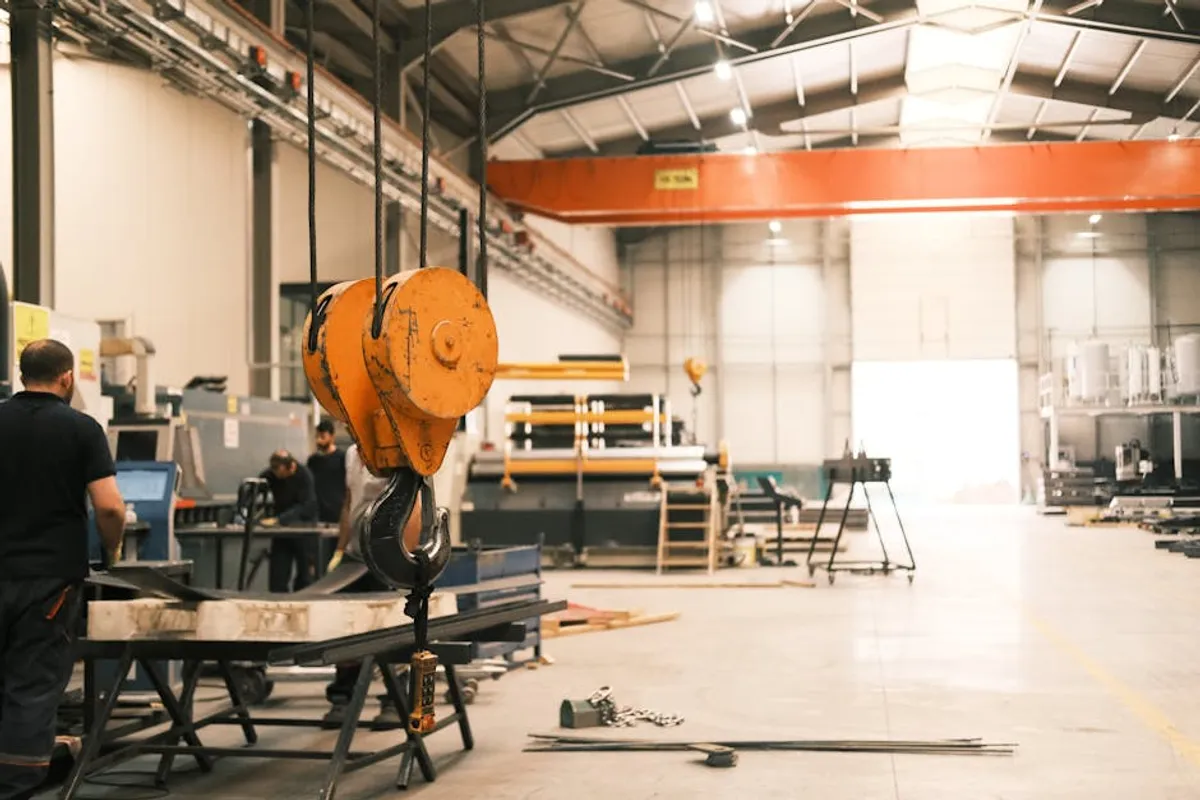
Overhead cranes are vital for lifting and moving heavy steel components, coils, and bundles safely and efficiently within a facility. Establishing stringent protocols for their operation is paramount. This includes daily pre-shift inspections of hooks, slings, ropes, and controls; mandatory operator training and certification; and strict adherence to load limits. Clear communication systems (e.g., hand signals, radio) between the operator and ground personnel are essential to prevent accidents. Regular maintenance schedules for all crane components are critical for preventing mechanical failures.
Best for: Moving exceptionally heavy or large steel items, loading/unloading trucks, and positioning materials within fabrication areas. Facilities with high bay ceilings.
Pros: Enables safe handling of loads beyond forklift capacity, reduces manual labor, and minimizes floor congestion. Improves overall material flow for large items.
Cons: High initial investment for installation and maintenance. Requires highly trained and certified operators. Improper use poses significant safety risks.
Verdict: Indispensable for heavy steel handling, but its benefits are only realized through rigorous safety protocols, comprehensive training, and diligent maintenance.
5. Forklift Safety Standards
Forklifts are workhorses in steel handling, but their operation demands strict adherence to safety standards. This encompasses comprehensive operator training and certification, daily equipment checks, and enforcement of speed limits within the facility. Pedestrian walkways must be clearly marked and segregated from forklift traffic lanes. Load stability is paramount; operators must be trained to secure loads, avoid overloading, and maintain clear visibility. Regular maintenance ensures forklifts operate reliably, reducing breakdowns and associated risks.
Best for: Moving palletized steel, smaller bundles, and navigating within racking systems. Versatile for various warehouse and yard operations.
Pros: Provides flexibility and speed for material movement. Relatively lower initial cost compared to overhead cranes for lighter loads. Essential for loading and unloading trucks.
Cons: Significant accident risk if operators are untrained or safety protocols are ignored. Requires clear aisleways and traffic management. Emissions from internal combustion models require ventilation.
Verdict: A versatile and essential tool, but its safe and efficient deployment hinges entirely on rigorous training, consistent safety enforcement, and proactive maintenance.
6. Environmental Control Measures
Steel, particularly certain alloys, is susceptible to corrosion and degradation from environmental factors. Implementing environmental control measures, such as maintaining consistent humidity and temperature levels, is crucial for preserving material quality. Enclosed storage areas should be climate-controlled where necessary, and direct exposure to rain, snow, or excessive sunlight should be prevented. Proper ventilation prevents condensation buildup, which can accelerate rust formation. For outdoor storage, elevated platforms and protective coverings are essential.
Best for: Storing finished steel products, high-grade alloys, or materials destined for sensitive applications where surface integrity is critical.
Pros: Prevents rust and oxidation, preserving material quality and reducing scrap rates. Extends the lifespan of stored steel. Reduces the need for costly rework or replacement.
Cons: Can involve significant investment in HVAC systems, insulation, and building modifications. Requires ongoing energy consumption and monitoring.
Verdict: A proactive measure that directly impacts material quality and reduces waste, offering long-term cost savings by preserving the value of stored steel.
7. Corrosion Protection Methods
Beyond environmental control, direct corrosion protection methods are often necessary, especially for steel stored for extended periods or in humid environments. This includes applying rust-inhibiting coatings, using vapor corrosion inhibitor (VCI) packaging, or storing steel in oil-treated conditions. For outdoor storage, ensure materials are elevated off the ground to prevent moisture wicking and covered with waterproof tarpaulins that allow for air circulation to prevent condensation. Regular inspection for early signs of corrosion is also a critical preventative measure.
Best for: Long-term storage of all steel types, particularly carbon steel, and materials exposed to varying environmental conditions during transit or outdoor storage.
Pros: Directly prevents material degradation, ensuring steel remains fit for purpose. Reduces material loss due to rust and the need for surface preparation before use. Cost-effective compared to replacing corroded material.
Cons: Adds an additional step to the storage process. Some methods (e.g., coatings) may require removal before fabrication. Material costs for inhibitors or specialized packaging.
Verdict: A vital layer of defense against material degradation, directly contributing to product quality and reducing downstream processing costs by maintaining steel in prime condition.
8. Advanced Inventory Management
Implementing a robust inventory management system, whether a dedicated software solution or a meticulously maintained manual system, is fundamental. This includes tracking steel from receipt through storage to dispatch, recording details such as material type, grade, dimensions, weight, location, and date of entry. A "First-In, First-Out" (FIFO) system is often beneficial for preventing material obsolescence or deterioration over time. Real-time tracking capabilities enhance visibility, reduce lost inventory, and optimize stock levels, minimizing capital tied up in excess material.
Best for: Any facility managing significant steel volumes, multiple grades, or high turnover rates. Essential for just-in-time manufacturing and complex supply chains.
Pros: Improves inventory accuracy, reduces waste from obsolete or damaged stock, and optimizes storage space. Enhances traceability and simplifies audits. Supports better purchasing decisions.
Cons: Requires investment in software and hardware. Demands consistent data entry and staff training. Initial implementation can be time-consuming.
Verdict: A strategic imperative for operational efficiency, transforming inventory management from a reactive task into a proactive asset that drives cost savings and informed decision-making.
9. Routine Equipment Inspection
All equipment used for steel storage and handling—racks, cranes, forklifts, slings, chains, and lifting attachments—must undergo routine inspections. This includes daily visual checks by operators and scheduled, more thorough inspections by qualified maintenance personnel. Look for signs of wear, damage, structural fatigue, or corrosion. Promptly repair or replace defective equipment to prevent failures that could lead to accidents, material damage, or operational downtime. Maintaining detailed inspection logs is crucial for compliance and identifying recurring issues.
Best for: All facilities utilizing mechanical equipment for steel handling and storage. Critical for maintaining a safe and efficient operational environment.
Pros: Prevents equipment failures, significantly reduces the risk of accidents and injuries. Extends the lifespan of valuable assets. Minimizes unexpected downtime and associated production delays.
Cons: Requires dedicated time and resources for inspections and maintenance. May incur costs for repairs and replacement parts. Requires trained personnel to perform inspections effectively.
Verdict: A non-negotiable practice that underpins both safety and operational continuity, ensuring that all handling equipment functions reliably and securely.
10. Comprehensive Staff Training
Human error is a significant factor in workplace accidents and material damage. Comprehensive training programs for all personnel involved in steel storage and handling are essential. This includes training on safe lifting techniques, proper use of all equipment (forklifts, cranes, slings), understanding material properties, identifying hazards, and emergency procedures. Certification for specialized equipment operators is mandatory. Regular refresher courses and updates on new safety protocols reinforce best practices and maintain a high level of awareness.
Best for: All personnel involved in the physical handling, storage, or movement of steel. Crucial for fostering a strong safety culture.
Pros: Drastically reduces accidents, injuries, and material damage. Improves operational efficiency through skilled handling. Enhances employee morale and compliance with safety regulations.
Cons: Requires ongoing investment in time and resources for training programs. May result in temporary productivity dips during training sessions. Requires continuous reinforcement to be effective.
Verdict: The most impactful investment in safety and efficiency, as well-trained personnel are the primary defense against operational errors and preventable incidents.
11. Secure Material Handling
Beyond equipment operation, secure material handling encompasses the methods used to package, bundle, and transport steel within the facility and during transit. This includes using appropriate dunnage, strapping, and securing devices to prevent shifting, rolling, or falling. For coils, specific coil saddles or chocks are necessary. When loading trucks, ensure weight distribution is balanced and loads are secured to prevent movement. Proper lifting techniques, whether manual or mechanical, must always prioritize load stability and worker safety.
Best for: All stages of steel movement, from internal transfers to external shipping. Essential for preventing damage and ensuring safety during transit.
Pros: Prevents material damage during movement, reducing scrap and rejections. Enhances safety for handlers and transporters. Ensures material arrives at its destination in prime condition.
Cons: Requires additional time and materials for proper securing. May necessitate specialized equipment for certain steel forms (e.g., coil grabs). Requires consistent attention to detail.
Verdict: Directly impacts material quality upon delivery and significantly mitigates safety risks during all phases of material transfer, vital for customer satisfaction and operational integrity.
12. Emergency Response Planning
Despite all preventative measures, accidents can occur. A well-defined emergency response plan is crucial for mitigating damage and ensuring personnel safety. This plan should cover scenarios such as equipment failure, material spills, fires, and injuries. It must include clear evacuation routes, designated assembly points, first aid procedures, and contact information for emergency services. Regular drills and reviews of the plan ensure all employees are familiar with their roles and responsibilities during an emergency, minimizing panic and maximizing effective response.
Best for: All facilities storing and handling steel. A non-negotiable component of a comprehensive safety management system.
Pros: Minimizes injury and loss of life during emergencies. Reduces property damage and environmental impact. Ensures compliance with safety regulations and demonstrates due diligence.
Cons: Requires ongoing effort for planning, training, and drills. May expose vulnerabilities in existing safety protocols. Can be emotionally taxing for participants during drills.
Verdict: A critical safety net that protects both personnel and assets, transforming potential catastrophe into a manageable incident through preparedness and clear protocols.
Implementing a Robust Steel Handling Strategy
Developing a comprehensive strategy for steel storage and handling requires a commitment to continuous improvement. Begin by conducting a thorough audit of current practices to identify weaknesses and areas for enhancement. Prioritize improvements based on risk assessment and potential impact on safety, efficiency, and material quality. Integrate new practices incrementally, ensuring adequate training and resources are allocated. Establish clear metrics for success, such as reduced accident rates, decreased material damage, improved inventory accuracy, and faster retrieval times. Regularly review these metrics and adapt your strategy to evolving operational needs and industry best practices. Collaboration between management, safety officers, and frontline workers is essential for fostering a culture of safety and efficiency.
Frequently Asked Questions
What are the primary risks associated with improper steel storage?
Improper steel storage primarily leads to material damage (e.g., bending, warping, corrosion), increased risk of workplace accidents (e.g., falling loads, collisions), inefficient operations due to disorganized inventory, and potential regulatory non-compliance resulting in fines.
How often should steel handling equipment be inspected?
Daily visual inspections by operators are recommended for critical components like slings, hooks, and forklift controls. More thorough, scheduled inspections by qualified maintenance personnel should occur weekly, monthly, or quarterly, depending on equipment type, usage, and manufacturer guidelines.
Is outdoor storage of steel ever acceptable?
Yes, outdoor storage is acceptable for certain types of steel, especially those with protective coatings or less susceptibility to immediate corrosion, provided proper precautions are taken. These include elevating materials off the ground, ensuring adequate drainage, using waterproof coverings that allow for air circulation, and applying rust inhibitors. Long-term outdoor storage is generally not recommended for finished or high-grade steel.
What is the "First-In, First-Out" (FIFO) principle in steel storage?
The FIFO principle dictates that the oldest inventory (first-in) should be used or shipped before newer inventory (first-out). This is crucial for steel to prevent issues like surface degradation, obsolescence, or material property changes that can occur over extended storage periods, ensuring material quality and minimizing waste.
How can technology improve steel inventory management?
Technology, such as Warehouse Management Systems (WMS) with barcode or RFID tracking, can provide real-time visibility into inventory levels, locations, and movement. This reduces manual errors, automates data capture, optimizes storage space utilization, and facilitates quicker retrieval, leading to improved efficiency, accuracy, and better decision-making regarding stock levels.