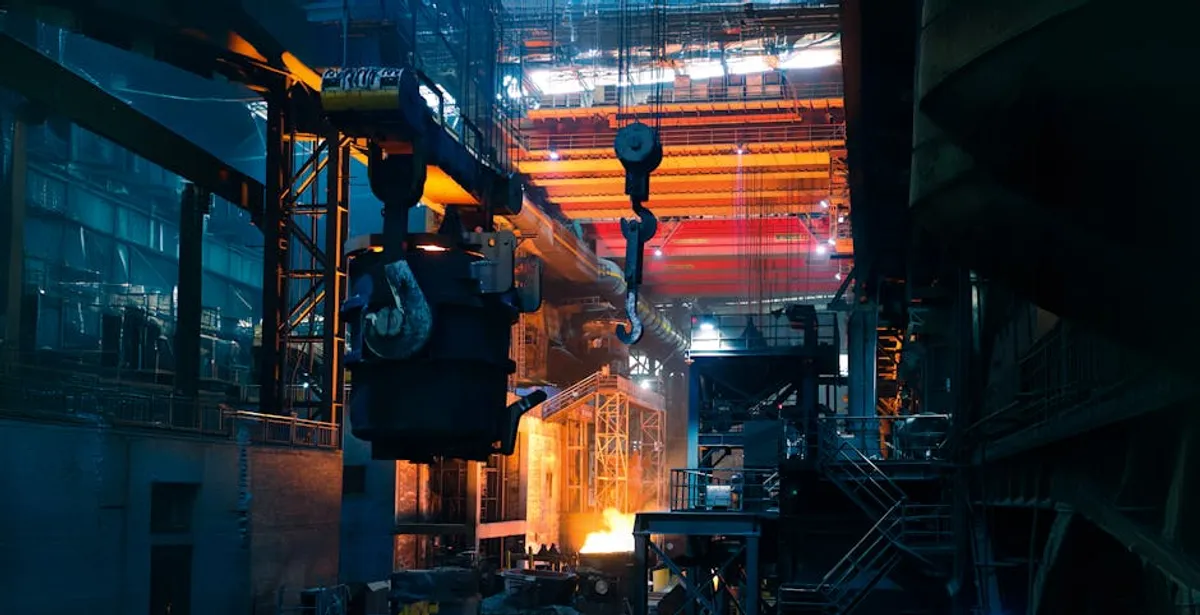
Navigating the selection of a steel fabrication supplier demands more than just comparing quotes. The right partner ensures structural integrity, adheres to specifications, and meets project timelines without incurring unforeseen costs. The complexity of modern steel projects, from intricate architectural components to heavy industrial structures, necessitates a rigorous vetting process. Simply accepting a supplier's stated capabilities can lead to costly rework, schedule delays, and compromised quality. A strategic approach involves asking targeted questions that probe beyond surface-level assurances, revealing a supplier's true operational strengths, potential limitations, and overall reliability. This guide outlines essential questions designed to uncover critical insights into a supplier’s processes, experience, and commitment to project success. This rigorous vetting process is key when choosing steel fabrication for industrial projects, ensuring you partner with the right team.
How to Evaluate a Steel Fabrication Supplier
Before delving into specific questions, establish a clear framework for supplier evaluation. Focus on four core pillars: technical capability, operational efficiency, financial stability, and communication effectiveness. Technical capability encompasses their expertise with specific materials, complex geometries, and industry standards. Operational efficiency covers their production capacity, quality control protocols, and project management methodologies. Financial stability ensures they can complete your project without interruption and stand behind their work. Finally, communication effectiveness dictates how smoothly collaboration will proceed, from initial design discussions to final delivery. A balanced assessment across these areas provides a comprehensive understanding of a supplier’s suitability for your project.
1. What is your experience with projects similar to ours in scope and material?
This question directly assesses a supplier’s relevant expertise. It moves beyond general claims of capability to specific, demonstrable experience. A supplier who has successfully completed projects mirroring your own in complexity, material type (e.g., stainless steel, high-strength low-alloy steel, carbon steel), and scale will likely possess the necessary tooling, skilled labor, and problem-solving acumen. This inquiry helps gauge their familiarity with specific fabrication challenges, such as welding exotic alloys, maintaining tight tolerances on large assemblies, or adhering to specialized industry codes. Asking specific questions about structural steel expertise helps confirm their ability to handle your project's demands effectively.
Best for: Projects with unique material requirements, complex designs, or demanding industry standards (e.g., aerospace, marine, structural building codes).
Pros: Provides concrete evidence of past performance; identifies suppliers with a proven track record in your specific niche; reduces the risk of unforeseen technical challenges during fabrication.
Cons: A supplier might overstate their "similar" experience, requiring follow-up questions for verification; new suppliers or those diversifying their portfolio may be unfairly excluded if emphasis is solely on direct matches.
Verdict: Crucial for establishing foundational confidence in a supplier's ability to execute your specific project requirements without a steep learning curve.
2. Describe your quality control and assurance processes.
Quality is paramount in steel fabrication. This question uncovers the supplier’s systematic approach to ensuring components meet specified tolerances and performance criteria. Look for details regarding their quality management system (e.g., ISO 9001 certification), inspection points throughout the fabrication process (e.g., material receipt, cutting, welding, finishing), and the qualifications of their quality control personnel (e.g., certified welding inspectors). Understanding their non-conformance procedures and how they address deviations is equally important, demonstrating a proactive rather than reactive approach to quality.
Best for: All projects where precision, structural integrity, and long-term performance are critical.
Pros: Reveals the robustness of their internal quality systems; ensures adherence to industry standards and client specifications; minimizes the likelihood of defective parts and costly reworks.
Cons: Some suppliers may provide generic answers without specific procedural details; requires the buyer to understand relevant quality standards to properly evaluate the response.
Verdict: Essential for mitigating risks associated with structural failure, operational inefficiency, and compliance issues stemming from substandard fabrication.
3. How do you manage project timelines, and what is your typical lead time for a project of our size?
Timely delivery is often as critical as quality. This question explores a supplier's project management methodology and scheduling capabilities. Inquire about their use of project planning software, their process for setting and communicating milestones, and how they handle potential delays or scope changes. Understanding their typical lead times provides a realistic expectation for project completion, while their approach to managing unforeseen issues reveals their adaptability and communication transparency. A clear process for progress reporting is also a positive indicator.
Best for: Time-sensitive projects, large-scale builds with multiple dependencies, or projects requiring staggered deliveries.
Pros: Establishes clear expectations for delivery schedules; helps identify potential bottlenecks or inefficiencies in their workflow; allows for better integration with your overall project plan.
Cons: Promised lead times may not always reflect reality, especially for complex projects; does not fully account for external factors like material shortages or shipping delays.
Verdict: Critical for maintaining project momentum and avoiding costly delays that can impact subsequent construction or assembly phases.
4. What is your capacity, and how do you handle multiple projects concurrently?
A supplier’s production capacity directly impacts their ability to meet your project demands without sacrificing quality or timeline. This question probes their shop size, equipment availability, labor force, and how they allocate resources across various ongoing projects. Understanding their capacity helps determine if they can scale to your needs, especially for large or recurring orders. Inquire about their scheduling tools and methods for prioritizing work to ensure your project receives adequate attention and resources.
Best for: High-volume orders, projects with tight deadlines, or situations where future scalability might be required.
Pros: Prevents overcommitment by the supplier, which can lead to delays or reduced quality; ensures your project receives dedicated resources; provides insight into their operational planning.
Cons: Capacity can fluctuate with new contracts, making a static answer potentially misleading; does not guarantee that your project will be prioritized over others.
Verdict: Fundamental for assessing a supplier's capability to deliver on schedule without compromising on the quality of your specific order.
5. Can you provide references from clients with similar project requirements?
Direct testimonials from past clients offer invaluable third-party validation of a supplier's performance. This question moves beyond self-assessment, providing an opportunity to speak with others who have experienced their services firsthand. Inquire about the nature of the projects, their satisfaction with quality and delivery, communication effectiveness, and how the supplier handled any challenges. This due diligence helps verify claims and uncover potential areas of concern that might not be evident from a proposal alone.
Best for: All projects, especially those representing significant investment or requiring a high degree of trust.
Pros: Offers objective insights into a supplier's reliability and performance; allows for direct verification of claims; helps identify potential communication or quality issues from a client perspective.
Cons: Suppliers will naturally provide references from their most satisfied clients; requires time and effort to contact and interview references effectively.
Verdict: Essential for de-risking the supplier selection process by leveraging the experiences of previous customers.
6. How do you approach design for manufacturability (DfM) and value engineering?
A proactive fabrication partner doesn't just build to spec; they offer insights to optimize the design for cost-effectiveness, production efficiency, and improved performance. This question assesses their engineering capabilities and willingness to collaborate during the design phase. Look for examples of how they've suggested material alternatives, simplified complex geometries, or recommended welding techniques that reduced costs or improved structural integrity without compromising functionality. Their DfM approach demonstrates a commitment to partnership rather than mere execution.
Best for: Projects with complex designs, tight budgets, or those seeking innovative solutions and cost-saving opportunities.
Pros: Can lead to significant cost reductions and improved product performance; fosters a collaborative relationship; demonstrates a supplier's engineering depth beyond just fabrication.
Cons: Some suppliers may lack dedicated engineering staff or be unwilling to challenge existing designs; DfM recommendations may require additional design review time.
Verdict: Highly valuable for maximizing project efficiency and achieving optimal outcomes through synergistic design and fabrication expertise.
7. What are your material sourcing practices, and how do you ensure material traceability?
The quality of the final product begins with the quality of the raw materials. This question delves into a supplier's supply chain management. Inquire about their preferred material vendors, their process for verifying material certifications (e.g., mill test reports), and their system for tracking materials from receipt through to the finished product. Traceability is particularly critical in industries where material failure can have severe consequences, ensuring that every component can be linked back to its original source and specifications.
Best for: Projects requiring certified materials, compliance with specific industry standards (e.g., ASTM, ASME), or where material integrity is non-negotiable.
Pros: Guarantees the authenticity and quality of raw materials; helps prevent the use of substandard or incorrect materials; provides a clear audit trail for compliance and quality assurance.
Cons: Some smaller suppliers may have less rigorous traceability systems; verifying material certifications requires knowledge of relevant standards.
Verdict: Fundamental for ensuring the structural integrity and compliance of fabricated components, directly impacting safety and performance.
8. What are your payment terms, and how do you handle change orders or unexpected costs?
Financial transparency and clear contractual terms are essential for a smooth project. This question addresses the commercial aspects of the relationship. Understand their standard payment schedule (e.g., upfront deposit, progress payments, final payment upon delivery) and their policy for handling scope changes or unforeseen expenses. A clear, documented process for change orders prevents disputes and ensures that any modifications to the project scope are mutually agreed upon and priced accordingly before work proceeds.
Best for: All projects, particularly those with evolving requirements or long production cycles.
Pros: Establishes financial expectations upfront; minimizes the risk of payment disputes or unexpected charges; ensures a clear process for managing project scope changes.
Cons: Payment terms may be non-negotiable for some suppliers; complex change order processes can sometimes slow down project progress.
Verdict: Crucial for maintaining budget control and fostering a transparent, professional commercial relationship.
9. Describe your packaging, shipping, and installation support capabilities.
Fabrication is only part of the process; safe and timely delivery, often followed by installation, completes the project cycle. This question examines the supplier's post-fabrication services. Inquire about their packaging methods to protect components during transit, their preferred shipping carriers, and their ability to handle oversized or delicate items. If applicable, ask about their on-site installation support, including personnel, equipment, and safety protocols. Understanding these aspects ensures a seamless transition from their shop to your site.
Best for: Large assemblies, delicate components, or projects requiring on-site assembly and technical assistance.
Pros: Ensures components arrive safely and undamaged; facilitates efficient on-site integration; reduces the need for additional third-party logistics or installation services.
Cons: Some suppliers may outsource these services, which can add complexity; installation support may come at an additional cost.
Verdict: Important for protecting your investment post-fabrication and streamlining the overall project logistics and deployment.
10. What safety protocols do you have in place for your workers and on-site operations?
A strong safety culture indicates a well-managed and responsible operation. This question assesses their commitment to worker well-being and regulatory compliance. Inquire about their safety training programs, incident reporting procedures, and adherence to OSHA (or relevant local) regulations. If they will be providing on-site installation, understanding their site-specific safety plans and certifications is paramount. A supplier with a poor safety record poses risks not only to their employees but also to your project timeline and reputation.
Best for: All projects, especially those involving on-site work or requiring adherence to strict safety regulations.
Pros: Ensures a responsible and compliant partner; reduces the risk of project delays due to accidents; demonstrates a commitment to ethical business practices.
Cons: Information provided may be high-level; requires follow-up to verify actual implementation of safety protocols.
Verdict: Essential for mitigating operational risks, ensuring regulatory compliance, and aligning with responsible business practices.
11. How do you handle intellectual property (IP) and confidentiality for custom designs?
For custom fabrication projects, protecting proprietary designs and confidential information is critical. This question addresses the supplier's policies and procedures for safeguarding your intellectual property. Inquire about their non-disclosure agreements (NDAs), data security measures, and how they control access to sensitive design files. A clear understanding of their IP protection policies provides assurance that your innovative designs will remain secure and proprietary.
Best for: Projects involving proprietary designs, prototypes, or sensitive technological components.
Pros: Protects your valuable intellectual property; builds trust and confidentiality in the supplier relationship; prevents unauthorized disclosure or use of your designs.
Cons: Some suppliers may be reluctant to sign extensive NDAs; requires legal review of their IP protection clauses.
Verdict: Non-negotiable for custom fabrication to safeguard innovation and maintain competitive advantage.
12. What is your warranty policy, and how do you address post-delivery issues or defects?
Even with stringent quality control, issues can occasionally arise. This question clarifies the supplier's responsibility for their work after delivery. Inquire about the duration and scope of their warranty, what types of defects or failures it covers, and their process for addressing claims. A transparent and responsive post-delivery support system demonstrates a supplier's commitment to standing behind their product and rectifying any legitimate issues promptly and efficiently.
Best for: All projects, particularly those involving critical components or long-term operational use.
Pros: Provides recourse for unforeseen defects or performance issues; offers peace of mind regarding the longevity and quality of fabricated components; demonstrates supplier accountability.
Cons: Warranty terms can vary significantly and may contain exclusions; the claims process can sometimes be lengthy or require detailed documentation.
Verdict: Crucial for long-term risk management and ensuring that the fabricated components meet expected performance and quality standards over time.
Finalizing Your Supplier Selection
After gathering responses to these questions, synthesize the information. Compare suppliers not just on price, but on their overall value proposition, which includes their experience, quality systems, project management capabilities, and communication effectiveness. Prioritize suppliers who demonstrate transparency, a willingness to collaborate, and a clear understanding of your project's unique challenges. A site visit to their facility can provide invaluable insights into their operations, equipment, and safety culture that may not be apparent from written responses alone. Ultimately, the right supplier is a strategic partner who can contribute to the success of your project beyond mere fabrication.
Frequently Asked Questions
What is the most important factor when choosing a steel fabricator?
While cost is always a consideration, the most important factor is often the supplier's proven ability to meet your specific project's technical requirements and quality standards consistently. This includes their experience with relevant materials and processes, robust quality control systems, and a track record of on-time delivery.
Should I always choose the cheapest quote?
No. The cheapest quote often reflects compromises in material quality, fabrication processes, or project management. Focus on value, which balances cost with quality, reliability, and the supplier's overall capability to deliver a successful outcome. Hidden costs, delays, or rework due to poor quality can quickly negate initial savings.
How can I verify a supplier's certifications?
Request copies of their certifications (e.g., ISO 9001, AWS welding certifications) and verify them directly with the issuing body if possible. For material certifications, ensure they provide mill test reports (MTRs) that match the materials used in your project. Speaking with references can also help confirm their adherence to stated standards.
What red flags should I look for during the vetting process?
Red flags include vague answers to specific questions, unwillingness to provide references, lack of clear quality control procedures, inconsistent communication, or an inability to demonstrate how they handle project changes or potential delays. Unusually low bids that seem too good to be true also warrant extra scrutiny.
Is a site visit necessary?
A site visit is highly recommended, especially for significant projects. It allows you to observe their facilities, equipment, organizational structure, safety practices, and overall operational environment firsthand. This direct observation can confirm or contradict information provided in proposals and discussions, offering a more complete picture of their capabilities.