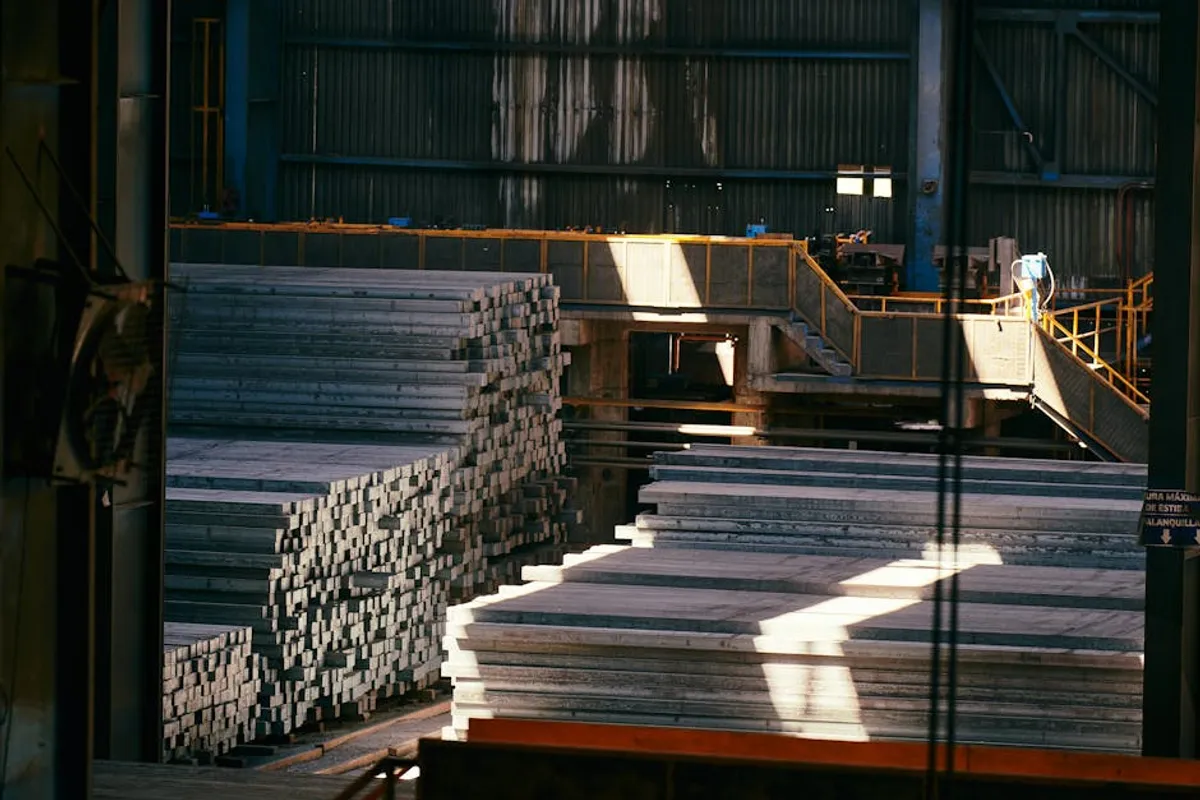
Purchasing steel fabrication services represents a significant investment for any project, from structural components to custom machinery parts. For buyers new to this domain, the process can appear complex, involving specialized terminology, material science, and intricate manufacturing steps. An informed approach is crucial, not only to secure competitive pricing but, more importantly, to ensure the final product meets exact specifications, quality standards, and project timelines. This guide outlines the essential considerations for navigating the steel fabrication landscape, helping buyers make confident, commercially sound decisions from initial concept to final delivery. This guide outlines the essential considerations for navigating the steel fabrication landscape, helping buyers understand everything from structural components and custom machinery to the final product.
Understanding Steel Fabrication
Steel fabrication is the process of cutting, bending, and assembling steel to create a product. This is distinct from steel manufacturing, which produces the raw steel itself. Fabricators take raw steel materials—like beams, plates, and tubes—and transform them into finished structures or components through a series of specialized operations. The end products range widely, encompassing everything from building frameworks and bridges to industrial equipment, decorative elements, and vehicle parts.
Key Processes in Fabrication
Effective fabrication relies on a precise sequence of operations, each contributing to the final form and integrity of the steel product. Buyers should be aware of these fundamental steps:
- Cutting: Raw steel is cut to size and shape using methods such as shearing, sawing, plasma cutting, laser cutting, or waterjet cutting. The choice of method depends on material thickness, required precision, and production volume.
- Forming: Steel is bent, rolled, or pressed into desired shapes. Techniques include press braking for sharp angles, rolling for curved sections, and stamping for complex forms.
- Machining: Precision operations like drilling, milling, and turning are used to create holes, threads, or specific surface finishes, often for assembly with other components.
- Welding: Pieces of steel are permanently joined using heat and filler material. Common welding processes include MIG (Gas Metal Arc Welding), TIG (Gas Tungsten Arc Welding), and Stick (Shielded Metal Arc Welding), selected based on material type, thickness, and joint requirements.
- Assembly: Fabricated components are brought together and joined, often involving welding, bolting, or riveting, to form the final structure or product.
- Finishing: Surface treatments like grinding, polishing, sandblasting, painting, powder coating, or galvanizing are applied to protect the steel from corrosion, enhance its appearance, or prepare it for further processing.
Types of Steel and Their Applications
The choice of steel profoundly influences a project's performance, durability, and cost. Different steel grades offer varying properties regarding strength, corrosion resistance, weldability, and formability. Understanding these distinctions is critical for specifying the correct material for your application.
Common Steel Grades for Fabrication
Carbon Steel: Widely used due to its strength and cost-effectiveness. Its properties vary with carbon content; low-carbon steel is ductile and easily welded, while high-carbon steel is harder and stronger but less ductile.
Best for: Structural components, general construction, machinery parts.
Stainless Steel: Contains chromium, providing excellent corrosion resistance. Available in various series (e.g., 300 series for corrosion resistance and formability, 400 series for hardness).
Best for: Food processing equipment, medical instruments, architectural elements, marine applications.
Alloy Steel: Incorporates other elements like manganese, nickel, chromium, and molybdenum to enhance specific properties such as strength, toughness, and wear resistance.
Best for: High-stress components, tools, aerospace parts, automotive industries.
Assessing Fabrication Needs
Before engaging a fabricator, clearly define your project's requirements. Ambiguity at this stage leads to delays, cost overruns, and unsatisfactory results. A detailed specification package empowers fabricators to provide accurate quotes and deliver precise products.
Project Scope and Specifications
Provide comprehensive engineering drawings, CAD files, and 3D models where available. These should detail dimensions, material types, and any specific tolerances. Clearly state the intended application of the fabricated steel, as this informs material selection and finishing requirements. Include expected production volumes and delivery schedules.
Tolerances and Quality Standards
Specify acceptable deviations from dimensions (tolerances) and any relevant industry standards (e.g., ASTM, AWS, ISO). Tighter tolerances often increase fabrication costs but are essential for critical components. Discuss the required quality control measures, including inspections, material certifications, and non-destructive testing (NDT) if applicable.
Selecting a Fabricator
The right fabricator acts as a partner, contributing expertise and reliability to your project. Evaluate potential suppliers beyond just price, focusing on their capabilities, track record, and operational transparency.
Experience and Specialization
Look for fabricators with demonstrated experience in projects similar to yours. A fabricator specializing in heavy structural steel might not be the best fit for intricate, high-precision stainless steel components, and vice versa. Request case studies or examples of past work relevant to your needs.
Certifications and Compliance
Verify that the fabricator holds relevant industry certifications (e.g., AWS D1.1 for structural welding, ISO 9001 for quality management). These certifications indicate adherence to established standards and best practices. Inquire about their safety protocols and environmental compliance.
Communication and Project Management
Assess their communication responsiveness and clarity. A reliable fabricator provides regular updates, addresses concerns proactively, and has a clear project management process. Strong communication minimizes misunderstandings and keeps projects on track.
Pro Tip: Always conduct a site visit or virtual tour of a prospective fabricator's facility. Observe their equipment, cleanliness, organization, and the general professionalism of their operations. This provides tangible insight beyond sales pitches.
The Quoting Process
Obtaining and comparing quotes requires attention to detail. Do not simply compare bottom-line figures; understand what each quote includes and excludes.
What to Look for in a Quote
A comprehensive quote should itemize costs for materials, labor, specific fabrication processes (e.g., cutting, welding, machining), finishing treatments, shipping, and any applicable taxes. Clarify payment terms, lead times, and warranty provisions. Watch for any "hidden" costs or vague descriptions that could lead to unexpected charges later.
Ensuring Project Success
Once a fabricator is selected, maintain active engagement. Provide timely feedback on prototypes or initial samples. Schedule regular progress meetings to address any issues promptly. Ensure that all changes to specifications are documented and formally approved to avoid disputes.
Final Considerations for Buyers
Successful steel fabrication purchasing hinges on thorough preparation, clear communication, and diligent oversight. By understanding the processes, materials, and critical selection criteria, buyers can mitigate risks, control costs, and achieve optimal outcomes. Prioritize a fabricator's proven capability and commitment to quality over simply the lowest bid, as the long-term value of a well-fabricated product far outweighs initial cost savings from a compromised job.
Frequently Asked Questions
What documentation should I provide to a steel fabricator?
Provide detailed engineering drawings, CAD files, material specifications, required tolerances, finishing requirements, and any relevant industry standards or certifications your project must meet.
How long does steel fabrication typically take?
Lead times vary significantly based on project complexity, material availability, current shop workload, and finishing requirements. Simple projects might take a few weeks, while complex, large-scale fabrications can require several months. Always discuss and agree upon a realistic timeline upfront.
What is the difference between custom fabrication and standard components?
Custom fabrication involves creating unique parts or structures designed specifically for your project, often requiring specialized tooling or processes. Standard components are pre-engineered or mass-produced items that can be purchased off-the-shelf and integrated into a larger assembly.
How can I ensure the quality of the fabricated steel?
Specify clear quality standards and tolerances in your request for quote. Request material certifications, welding procedure specifications (WPS), and welder qualification records. Consider third-party inspections or non-destructive testing (NDT) for critical components. Regular communication and site visits can also help monitor progress and quality.