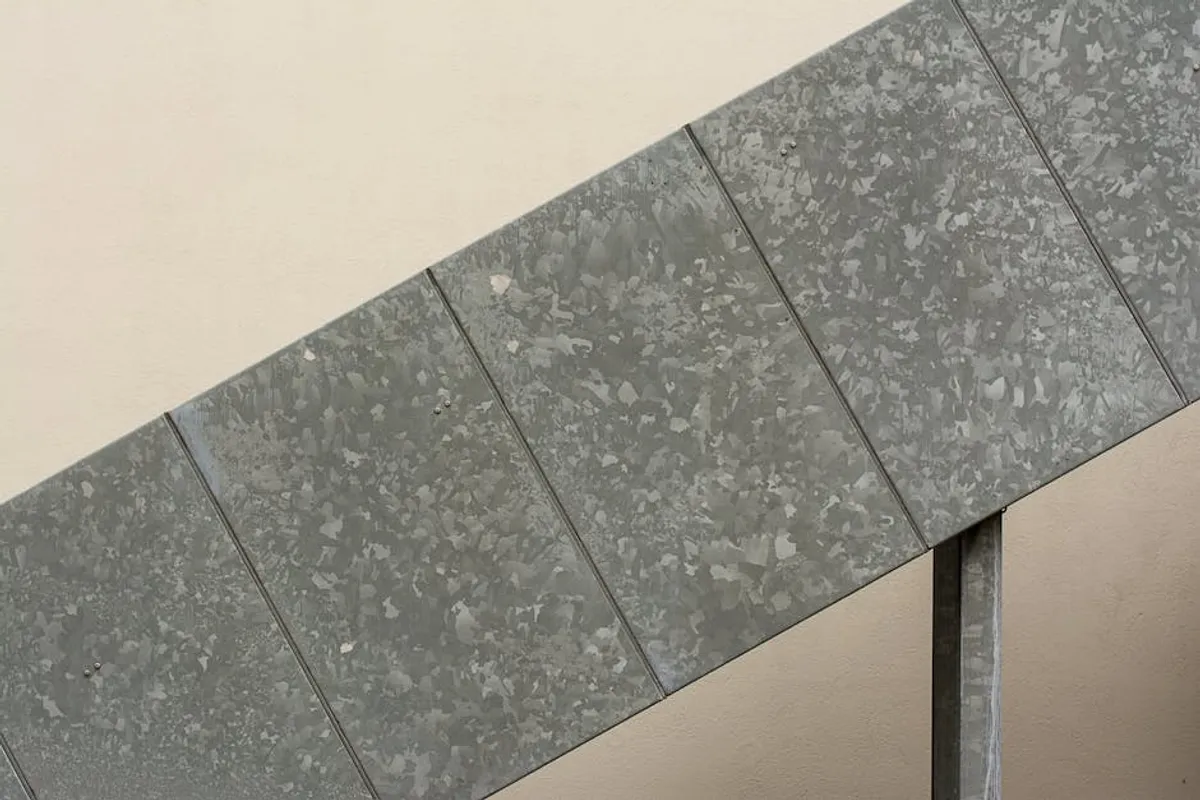
Galvanized steel offers robust corrosion protection, extending the service life of structures and components significantly. However, its effectiveness hinges on precise application and careful handling. Overlooking critical details during specification, fabrication, or installation can undermine its protective qualities, leading to premature failure, costly repairs, and compromised structural integrity. Understanding common pitfalls is essential for anyone involved in projects utilizing this material, from design engineers to fabricators and site managers. Addressing these potential issues proactively ensures the long-term performance and economic benefits of galvanized steel are fully realized, safeguarding investments and operational continuity. Addressing these potential issues proactively can help avoid common quality control mistakes that compromise the material's integrity.
Missteps in Material Specification and Design
Selecting the correct galvanized steel type and ensuring proper design for galvanizing are foundational. Errors at this stage can cascade through the entire project lifecycle, leading to unacceptable finishes or compromised protection.
Ignoring Steel Chemistry for Hot-Dip Galvanizing
The chemical composition of the steel substrate profoundly impacts the hot-dip galvanizing process. High silicon (above 0.04%) or phosphorus (above 0.02%) content can lead to excessively thick, brittle, or dull gray coatings. These "sanded" or "blistered" finishes, while often providing adequate corrosion resistance, may be aesthetically undesirable and, in extreme cases, reduce coating adhesion or impact resistance. Specifying steel with controlled silicon and phosphorus levels, often referred to as "galvanizing-friendly" steel, prevents these issues.
Inadequate Venting and Drainage Design
For hot-dip galvanizing, proper venting and drainage are non-negotiable. Enclosed sections or blind holes without adequate pathways for air escape and zinc entry/exit will result in uncoated areas, trapped gasses, or dangerous pressure buildup during immersion. Designers must incorporate vent and drain holes of sufficient size and location into all hollow sections, gussets, and stiffeners. Failure to do so necessitates rework or leaves vulnerable spots that invite corrosion.
Fabrication and Handling Errors
The integrity of galvanized coatings is highly susceptible to damage during fabrication and post-galvanizing handling. Protecting the zinc layer is paramount.
Improper Welding Techniques
Welding galvanized steel without proper precautions burns off the zinc coating in the heat-affected zone, leaving the weld area exposed to corrosion. Furthermore, zinc fumes produced during welding pose health risks. To mitigate this, fabricators must remove zinc from the weld area prior to welding, or use specific welding procedures designed for galvanized material. Post-weld, the affected areas require repair using zinc-rich paint or thermal spray metallizing to restore corrosion protection. Skipping this repair step is a common and critical mistake.
Mechanical Damage During Transport and Installation
Galvanized coatings, while durable, can be scratched, abraded, or chipped by rough handling. Dropping components, dragging them across abrasive surfaces, or using inappropriate lifting equipment can compromise the zinc layer. Once the base steel is exposed, localized corrosion can initiate. Proper lifting techniques, protective dunnage, and careful placement during transport and installation are crucial. Any significant damage requires immediate field repair to maintain uniform protection.
Pro Tip: When welding galvanized steel, always ensure adequate ventilation and use appropriate personal protective equipment (PPE), including respirators. After welding, the affected areas must be thoroughly cleaned and recoated with a zinc-rich primer or paint that meets ASTM A780/A780M standards for repair of damaged hot-dip galvanized coatings. Neglecting this step leaves a direct pathway for corrosion initiation.
Post-Galvanizing Treatment and Environmental Considerations
The longevity of galvanized steel is also influenced by how it's treated after the galvanizing process and its specific service environment.
Neglecting Passivation or Post-Treatment
Freshly galvanized steel, especially when stored in humid or poorly ventilated conditions, is susceptible to "wet storage stain" or "white rust." This white, powdery deposit is zinc corrosion product that can consume the protective zinc layer. Applying a chromate conversion coating (passivation) or other suitable post-treatment immediately after galvanizing can significantly reduce the risk of white rust formation, particularly during storage and transit. This is often overlooked for projects where aesthetics are less critical, but it can still impact long-term performance.
Galvanic Corrosion with Dissimilar Metals
Direct contact between galvanized steel and more noble metals (e.g., copper, stainless steel, unprotected carbon steel) in the presence of an electrolyte (like moisture) can accelerate corrosion of the zinc coating. This galvanic action sacrifices the zinc to protect the more noble metal. To prevent this, designers must specify electrical isolation using non-conductive washers, gaskets, or coatings between dissimilar metal components. Understanding the galvanic series and planning accordingly is vital for mixed-metal assemblies.
Painting or Powder Coating Without Proper Surface Preparation
While galvanized steel can be painted or powder coated (a process known as a duplex system), direct application without proper preparation leads to adhesion failure. The zinc surface must be cleaned, degreased, and often etched or sweep blasted to create a profile for mechanical adhesion. Using a suitable primer specifically designed for galvanized surfaces is also critical. Skipping these steps results in premature peeling, flaking, or delamination of the topcoat, compromising both aesthetics and the enhanced corrosion protection a duplex system offers.
Ensuring Long-Term Performance
To maximize the lifespan and effectiveness of galvanized steel, a systematic approach to quality control and maintenance is essential. This involves:
- Clear Specifications: Explicitly define coating thickness requirements, surface finish expectations, and acceptable repair methods in all project documentation.
- Pre-Inspection: Before galvanizing, inspect fabricated items for proper venting, drainage, and surface cleanliness.
- Post-Galvanizing Inspection: Visually inspect all galvanized components for uniform coating, absence of bare spots, dross inclusions, and mechanical damage. Measure coating thickness to ensure compliance with standards (e.g., ASTM A123/A123M).
- Controlled Storage: Store galvanized materials in dry, well-ventilated areas, ideally tilted to allow water runoff, to minimize wet storage stain.
- Regular Maintenance: Periodically inspect installed galvanized structures for signs of coating degradation or damage. Promptly address any issues with approved repair methods.
By implementing these checks and understanding the common pitfalls, project stakeholders can significantly enhance the reliability and service life of galvanized steel components, avoiding costly failures and ensuring the intended protective benefits are fully realized.
Frequently Asked Questions
Can galvanized steel be welded?
Yes, galvanized steel can be welded, but the zinc coating will burn off in the heat-affected zone. This area must be repaired post-welding using zinc-rich paint or thermal spray metallizing to restore corrosion protection. Adequate ventilation and PPE are also critical due to zinc fumes.
What causes white rust on galvanized steel?
White rust, or wet storage stain, is a powdery white zinc corrosion product that forms on freshly galvanized steel surfaces when they are exposed to moisture and insufficient airflow. It's common in humid conditions or when components are tightly stacked without air circulation.
How can I prevent galvanic corrosion with galvanized steel?
To prevent galvanic corrosion, ensure that galvanized steel does not directly contact more noble metals (like copper or stainless steel) in the presence of an electrolyte. Use non-conductive barriers such as plastic washers, gaskets, or appropriate insulating coatings between dissimilar metals.
Is it necessary to paint galvanized steel?
No, painting galvanized steel is not necessary for corrosion protection, as the zinc coating provides excellent barrier and cathodic protection. However, painting (a duplex system) can extend the service life significantly, provide color, or offer additional chemical resistance, provided the surface is properly prepared for paint adhesion.