The global steel industry operates on a foundation of complex supply chains, where the efficiency and reliability of logistics directly dictate production costs, delivery timelines, and market competitiveness. Steel, as a foundational material for countless industries, demands a supply chain capable of handling high volumes, diverse product forms, and often, international transit across vast distances. Understanding how global logistics functions—and falters—is not merely an operational concern; it is a strategic imperative that influences pricing, inventory management, and ultimately, profitability for every entity from raw material suppliers to end-product manufacturers.
Understanding the Core Logistics Components for Steel
Steel supply chains involve several distinct logistical phases, each presenting unique challenges and opportunities for optimization. These phases are interconnected, meaning a disruption in one can cascade throughout the entire system, affecting lead times and costs significantly.
Raw Material Sourcing and Inbound Logistics
The journey of steel begins with raw materials like iron ore, coking coal, and scrap metal. These materials are often sourced globally, requiring extensive maritime shipping. Large bulk carriers transport millions of tons across oceans, making port efficiency, shipping lane stability, and geopolitical factors critical. Delays at origin ports due to labor disputes, infrastructure limitations, or adverse weather directly impact the availability and cost of primary inputs for steel mills. Furthermore, the sheer volume and weight of these materials necessitate specialized handling equipment and robust inland transportation networks, whether by rail, barge, or heavy-haul trucks, to reach manufacturing facilities.
Manufacturing and Intra-Company Movement
Once raw materials arrive, they undergo transformation into various steel products. This phase involves intricate internal logistics within large integrated steel mills, moving semi-finished products (slabs, billets, blooms) between processing units like blast furnaces, basic oxygen furnaces, electric arc furnaces, and rolling mills. Efficient scheduling and material flow within the plant are crucial for maintaining continuous production and minimizing bottlenecks. Any disruption here, from equipment failure to energy supply issues, can ripple outwards, affecting subsequent production stages and ultimately, outbound logistics. Efficient scheduling also involves understanding proper steel packaging methods to prevent damage during transit.
Outbound Logistics and Distribution
Finished steel products—coils, plates, beams, pipes, wires—are then prepared for distribution to customers. This segment is characterized by diverse transportation modes and stringent delivery requirements. Depending on the destination and product type, steel moves via:
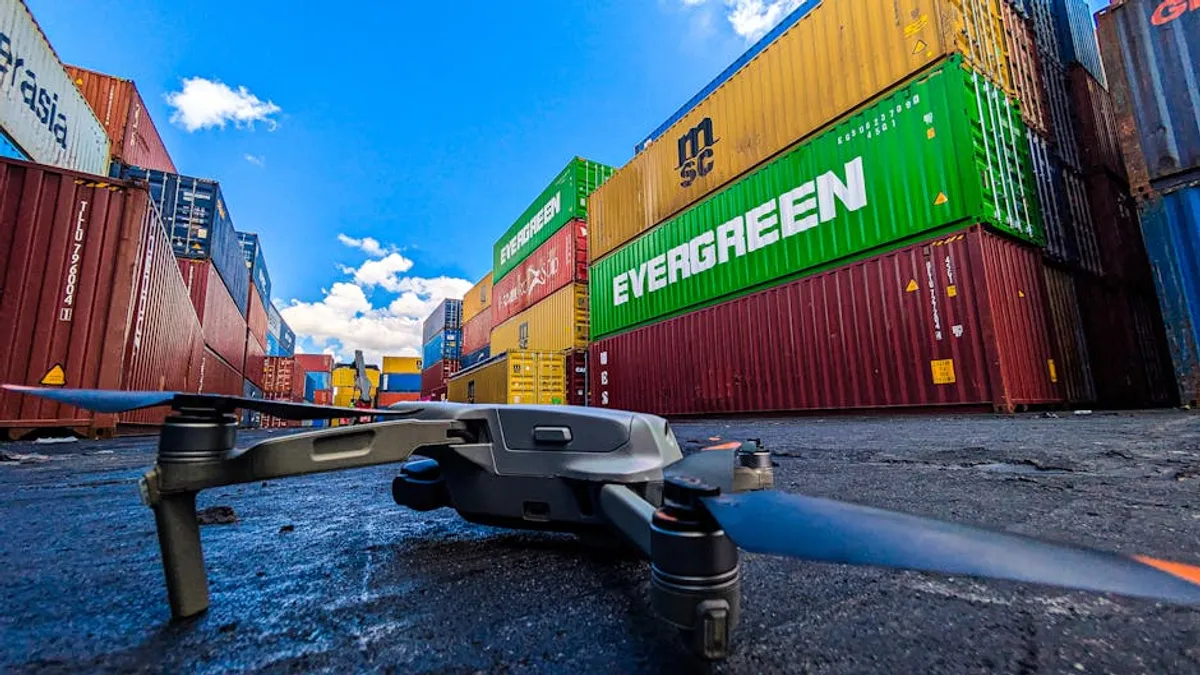
- Ocean Freight: For international shipments, container ships and specialized breakbulk vessels are used, particularly for high-value or project-specific steel.
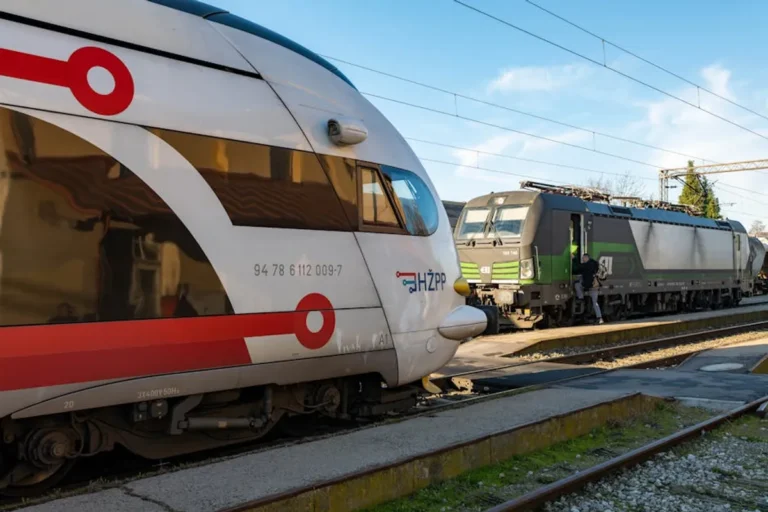
- Rail: Dominant for long-haul domestic transport of heavy, bulk steel products due to cost-effectiveness and capacity.
- Trucking: Essential for last-mile delivery and shorter distances, requiring specialized flatbed trailers and careful load securement.
- Barges: Utilized on inland waterways for cost-effective transport of large volumes, especially in regions with developed river systems.
Each mode carries its own set of logistical considerations, from freight rates and transit times to cargo security and customs clearance procedures. The choice of mode directly influences delivery speed and overall cost.
Key Global Factors Impacting Steel Logistics
Several macro-level factors exert considerable influence over the smooth operation and cost efficiency of steel supply chains.
Geopolitical Instability and Trade Policies
Regional conflicts, trade wars, and shifting political alliances can severely disrupt established shipping routes, impose tariffs, or lead to sanctions that restrict the movement of steel and its raw materials. Such events force companies to reroute shipments, seek alternative suppliers, or absorb increased duties, all of which add complexity and cost. For example, sudden import restrictions on certain steel products can lead to oversupply in one market and scarcity in another, creating price volatility.
Port Congestion and Infrastructure Limitations
Major global ports are critical nodes for steel logistics. Over the past few years, recurrent port congestion, exacerbated by labor shortages, equipment malfunctions, or surges in demand, has led to significant delays. These delays translate into higher demurrage charges, increased inventory holding costs, and missed delivery deadlines. Inadequate port infrastructure, such as insufficient crane capacity or limited storage space for heavy steel products, further compounds these issues.
Energy Costs and Fuel Prices
Transportation, whether by sea, rail, or road, is heavily reliant on fuel. Fluctuations in global oil prices directly impact freight rates. For an industry like steel, where transportation costs represent a significant portion of the total delivered cost, even minor shifts in fuel prices can have a substantial effect on profitability and pricing strategies. Companies must factor in fuel surcharges and consider more fuel-efficient logistics partners or modes.
Environmental Regulations and Sustainability Pressures
Increasing global pressure for environmental sustainability is driving changes in logistics. Stricter emissions regulations for shipping, mandates for cleaner fuels, and demand for more sustainable transportation options (e.g., electric trucks, hydrogen-powered vessels) are emerging. While these initiatives are crucial for long-term ecological health, they often come with higher initial investment costs and operational adjustments for logistics providers, which can be passed on to steel manufacturers and buyers.
Pro Tip: Implement robust supply chain visibility tools. Real-time tracking of shipments, from raw materials to finished products, allows steel companies to anticipate delays, mitigate risks, and make proactive adjustments to production schedules or delivery plans. This proactive approach can significantly reduce the financial impact of logistical disruptions.
Mitigating Logistical Risks in Steel Supply Chains
Effective management of global logistics requires a multi-faceted approach focused on resilience, efficiency, and adaptability.
Diversification of Sourcing and Routes
Relying on a single source or a limited number of shipping routes creates vulnerability. Diversifying raw material suppliers across different geographic regions and exploring alternative transportation corridors can buffer against localized disruptions. This strategy, however, must be balanced against the economies of scale often achieved with concentrated sourcing.
Strategic Inventory Management
While just-in-time (JIT) inventory can reduce holding costs, the inherent volatility of global logistics often necessitates a more strategic approach for steel. Maintaining safety stock for critical raw materials or high-demand finished products can prevent production halts and customer dissatisfaction during periods of logistical stress. The challenge lies in optimizing inventory levels to avoid excessive carrying costs while ensuring supply continuity. Maintaining safety stock helps avoid common procurement pitfalls that can lead to production halts.
Leveraging Digitalization and Data Analytics
Advanced analytics, AI-driven forecasting, and blockchain technology can enhance supply chain transparency and predictive capabilities. Digital platforms can track cargo, predict port congestion, optimize routing, and even automate customs documentation, leading to faster transit times and reduced administrative overhead. Data-driven insights enable better decision-making regarding inventory placement, carrier selection, and risk assessment.
Collaborative Partnerships
Building strong, long-term relationships with logistics providers, freight forwarders, and port authorities is crucial. Collaborative partnerships foster better communication, allow for preferential treatment during peak times, and facilitate joint problem-solving when disruptions occur. These relationships can also lead to more innovative and customized logistics solutions tailored to the specific needs of steel transport.
Navigating the Future of Steel Logistics
The global steel industry will continue to face evolving logistical challenges, driven by geopolitical shifts, technological advancements, and increasing demands for sustainability. Companies that proactively invest in resilient supply chain strategies, embrace digital transformation, and foster strong partnerships will be better positioned to navigate these complexities. The ability to adapt quickly to changing logistical landscapes will be a defining factor in maintaining competitive advantage and ensuring consistent supply in a volatile global market.
Frequently Asked Questions About Steel Logistics
What is the primary logistical challenge for raw materials in steel production?
The primary challenge involves the bulk nature and global sourcing of raw materials like iron ore and coking coal, which require efficient, high-capacity maritime shipping and specialized port infrastructure. Delays or disruptions in these initial stages can significantly impact production schedules and costs.
How do fuel prices specifically affect steel supply chains?
Fuel prices directly increase freight rates for all modes of transport—ocean vessels, trains, and trucks. Given the weight and volume of steel products, transportation costs are a substantial component of the total delivered cost, making steel supply chains highly sensitive to fuel price fluctuations.
What role does technology play in optimizing steel logistics?
Technology, including real-time tracking, predictive analytics, and digital platforms, enhances visibility across the supply chain, allowing for better forecasting of demand, optimization of routes, proactive management of delays, and more efficient inventory control. This leads to reduced operational costs and improved delivery reliability.