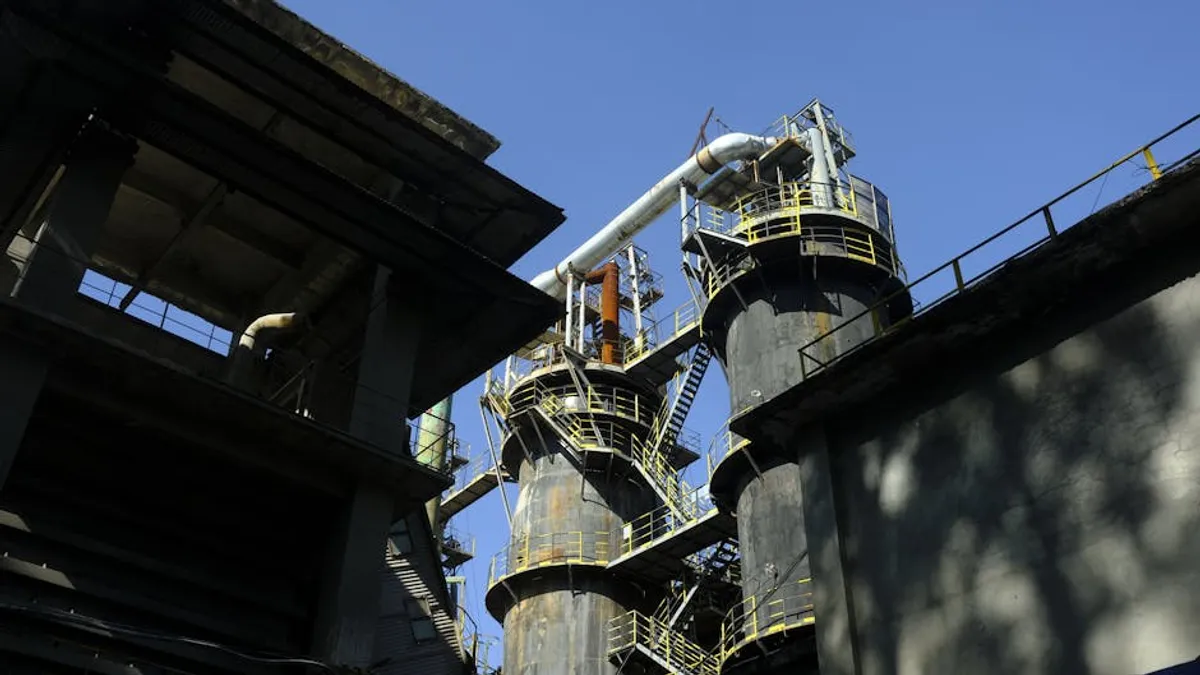
The global steel industry, a foundational pillar for manufacturing, infrastructure, and innovation, faces a period of rapid evolution. Understanding the trajectory of this sector in 2026 requires foresight into technological advancements, environmental imperatives, economic shifts, and geopolitical pressures. For businesses operating within or adjacent to steel production – from raw material suppliers and equipment manufacturers to construction firms and automotive companies – anticipating these shifts is not merely an academic exercise. It directly impacts strategic planning, investment cycles, supply chain management, and competitive positioning. This analysis details the critical trends poised to reshape the steel landscape, offering a framework for informed decision-making and proactive adaptation. For businesses operating within or adjacent to steel production, understanding the broader industrial manufacturing trends will be key to navigating these changes.
Decarbonization and the Rise of Green Steel
The most significant transformative force in the steel industry is the global push towards decarbonization. By 2026, this will move beyond aspirational targets into concrete operational changes. Steel production, traditionally a high-emissions sector, faces intense pressure from regulatory bodies, investors, and end-users demanding lower-carbon alternatives. This trend manifests in several key areas:
- Hydrogen-Based Direct Reduced Iron (DRI): The shift from coal-fired blast furnaces to DRI processes using green hydrogen as a reductant will accelerate. Projects in Europe and North America are scaling up, aiming for commercial viability and significant emissions reductions. This impacts energy infrastructure requirements and the demand for renewable electricity.
- Carbon Capture, Utilization, and Storage (CCUS): While hydrogen-based steel is the long-term goal, CCUS technologies will see increased deployment in existing blast furnace operations to mitigate immediate emissions. Investment in CCUS infrastructure, particularly in regions with suitable geological storage, will become more prevalent.
- Electric Arc Furnaces (EAFs) with Renewable Energy: EAFs, which primarily use recycled scrap steel, inherently have a lower carbon footprint than traditional blast furnaces. The trend will involve powering these EAFs with 100% renewable electricity, further reducing their environmental impact and driving demand for high-quality scrap.
The commercial implication is a growing premium for "green steel" products, influencing procurement decisions in sectors like automotive and construction. Companies that can demonstrate verifiable low-carbon production will gain a significant market advantage, while those lagging may face carbon taxes or reduced market access.
Digital Transformation and Industry 4.0 Integration
The integration of advanced digital technologies, often termed Industry 4.0, is no longer optional for competitive steel producers. By 2026, these technologies will be deeply embedded across the value chain, driving efficiency, quality, and responsiveness.
Leveraging AI and IoT for Operational Excellence
Artificial Intelligence (AI) and the Internet of Things (IoT) are at the forefront of this digital shift. IoT sensors embedded in machinery, furnaces, and production lines collect vast amounts of real-time data on temperature, pressure, vibration, and material flow. AI algorithms then process this data to:
- Predictive Maintenance: Anticipate equipment failures before they occur, reducing unplanned downtime and maintenance costs. This shifts operations from reactive repairs to proactive scheduling.
- Process Optimization: Fine-tune production parameters for energy efficiency, yield improvement, and consistent product quality. AI can identify optimal settings faster and more accurately than human operators alone.
- Quality Control: Utilize computer vision and machine learning for automated defect detection, ensuring higher product standards and reducing waste.
Beyond the factory floor, AI will enhance demand forecasting and inventory management, optimizing logistics and reducing holding costs. The commercial benefit is a leaner, more agile operation capable of responding quickly to market fluctuations and delivering higher-quality products at competitive prices.
Supply Chain Resilience and Regionalization
Recent global disruptions have exposed vulnerabilities in extended, just-in-time supply chains. In 2026, the steel industry will prioritize resilience through diversification and regionalization strategies.
Strategic Sourcing and Inventory Management
Companies are moving away from single-source reliance, particularly for critical raw materials like iron ore, coking coal, and ferroalloys. The focus shifts to:
- Multi-Sourcing: Engaging multiple suppliers from different geographic regions to mitigate risks associated with geopolitical instability, natural disasters, or trade disputes.
- Nearshoring/Reshoring: Bringing production closer to end markets to shorten lead times, reduce transportation costs, and gain greater control over the supply chain. This is particularly relevant for specialized steel products.
- Strategic Inventory Buffers: Maintaining higher levels of safety stock for essential components and raw materials, accepting increased holding costs as a trade-off for reduced risk of production halts.
The development of digital supply chain twins, virtual models that simulate real-world supply chain operations, will also gain traction. These twins allow for scenario planning and rapid identification of potential bottlenecks, enhancing proactive risk management.
Pro Tip: Businesses dependent on specific steel grades or raw materials should conduct a thorough supply chain risk assessment. Identify single points of failure and explore alternative sourcing strategies or localized production partnerships to build resilience against future disruptions. Diversification is key to mitigating both geopolitical and logistical vulnerabilities.
Advanced Materials and High-Performance Alloys
Demand for specialized steel products with enhanced properties will continue to grow, driven by innovation in key end-user sectors.
Meeting Demands from Emerging Industries
The automotive industry, particularly electric vehicle (EV) manufacturing, requires lighter, stronger steels to improve energy efficiency and safety. The construction sector demands higher-strength, corrosion-resistant steels for sustainable infrastructure projects. Renewable energy (wind turbines, solar panel frames) also drives demand for specific alloys. This trend involves:
- Advanced High-Strength Steels (AHSS): Continued development of new generations of AHSS and ultra-high-strength steels that offer superior strength-to-weight ratios. These are crucial for lightweighting vehicles and reducing material usage in construction.
- Corrosion-Resistant and Weathering Steels: Increased use of steels designed to withstand harsh environmental conditions, extending the lifespan of infrastructure and reducing maintenance costs.
- Additive Manufacturing with Steel: While nascent, the application of additive manufacturing (3D printing) for complex steel components will see incremental advancements, particularly for prototyping and specialized parts, requiring new steel powder formulations.
Investment in R&D for new alloys and advanced processing techniques will be critical for steel producers looking to capture these high-value market segments.
Geopolitical Influences and Trade Dynamics
The steel industry is inherently global, making it highly susceptible to geopolitical shifts and evolving trade policies. In 2026, these external factors will continue to shape market access, pricing, and investment decisions.
Impact of Trade Policies and Carbon Border Adjustments
Key geopolitical considerations include:
- Trade Tariffs and Quotas: Ongoing use of tariffs and quotas by major economies to protect domestic industries or address perceived unfair trade practices will continue to create market volatility and redirect trade flows.
- Carbon Border Adjustment Mechanisms (CBAMs): The European Union's CBAM, designed to levy a carbon price on imports of certain goods (including steel) from countries with less stringent climate policies, will compel non-EU producers to decarbonize or face competitive disadvantages. Other regions may explore similar mechanisms.
- National Industrial Policies: Governments worldwide are increasingly implementing policies to bolster domestic steel production, often linked to national security, infrastructure development, or green industrial strategies. This can lead to subsidies, investment incentives, or restrictions on foreign competition.
Businesses must monitor these policy developments closely, as they can significantly alter the cost of doing business, market entry barriers, and the attractiveness of different production locations.
Navigating the Evolving Steel Landscape
The steel industry in 2026 will be characterized by a complex interplay of environmental mandates, technological innovation, and geopolitical realities. Success will hinge on agility, strategic investment in sustainable practices and digital tools, and a deep understanding of evolving market demands. Companies that proactively embrace decarbonization, integrate advanced analytics, fortify their supply chains, and innovate with advanced materials will be best positioned to thrive. The competitive landscape will favor those capable of delivering not just steel, but "smarter" and "greener" steel solutions.
Frequently Asked Questions
What is "green steel" and why is it important?
Green steel refers to steel produced with significantly reduced or zero carbon emissions, typically achieved through processes like using green hydrogen instead of coking coal or powering electric arc furnaces with renewable energy. It is important because it addresses the steel industry's substantial carbon footprint, aligning with global climate goals and meeting growing demand from industries seeking to lower their Scope 3 emissions.
How will AI impact the daily operations of steel manufacturing?
AI will impact daily operations by enabling predictive maintenance for machinery, optimizing energy consumption and process parameters in real-time, and enhancing quality control through automated defect detection. This leads to reduced downtime, lower operational costs, improved product consistency, and a safer working environment.
What does "supply chain regionalization" mean for steel procurement?
Supply chain regionalization means sourcing raw materials and components, or even establishing production facilities, closer to end markets or within specific geographic blocs. For steel procurement, this translates to diversifying suppliers, potentially nearshoring production of specialized steels, and reducing reliance on distant, single-source suppliers to mitigate geopolitical and logistical risks.
Will the cost of steel increase due to these new trends?
The transition to green steel, investment in digital technologies, and efforts to build supply chain resilience will likely introduce initial cost pressures. However, these investments aim to achieve long-term efficiencies, reduce regulatory compliance costs (e.g., carbon taxes), and meet premium market demands. While some specialized or green steel products may command a higher price, the overall market will balance these factors with competitive pressures and technological advancements.