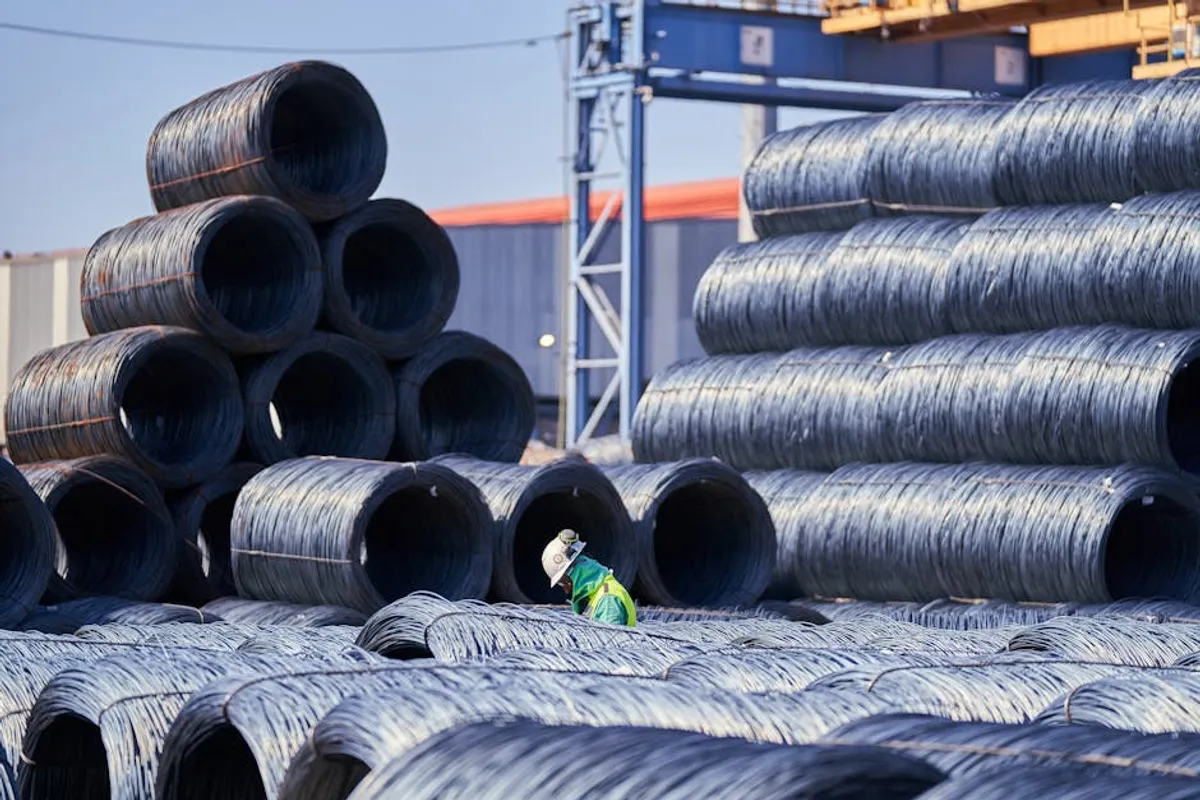
The global steel industry, a foundational pillar of modern infrastructure and manufacturing, faces increasing pressure to decarbonize and adopt sustainable practices. This imperative stems from escalating environmental concerns, stringent regulatory mandates, and evolving consumer and investor expectations. For businesses relying on steel or operating within its supply chain, understanding the trajectory of sustainable steel production is no longer optional; it is critical for strategic planning, risk management, and maintaining market relevance. The transition impacts everything from raw material sourcing and energy consumption to capital expenditure and competitive positioning. Navigating this shift requires a clear grasp of both the transformative trends shaping the industry and the significant challenges that must be overcome to achieve a truly greener future.
Key Trends Driving Sustainable Steel Production
The steel sector is undergoing a profound transformation, driven by technological innovation and a commitment to reducing its environmental footprint. These trends represent fundamental shifts in how steel is produced and processed.
Decarbonization Technologies: Hydrogen and CCUS
One of the most impactful trends is the development and deployment of decarbonization technologies. Traditional blast furnace-basic oxygen furnace (BF-BOF) steelmaking, which relies heavily on coking coal, accounts for a substantial portion of the industry's CO2 emissions. The shift involves two primary avenues:
- Green Hydrogen for Direct Reduced Iron (DRI): This process replaces coal with green hydrogen (produced via electrolysis powered by renewable energy) as the reducing agent. Iron ore is directly reduced into direct reduced iron, which is then melted in an electric arc furnace (EAF). This method significantly reduces or even eliminates process CO2 emissions, offering a pathway to near-zero carbon steel.
- Carbon Capture, Utilization, and Storage (CCUS): For existing BF-BOF plants, CCUS technologies capture CO2 emissions from flue gases before they enter the atmosphere. The captured carbon can then be stored underground or utilized in other industrial processes. While not eliminating emissions at the source, CCUS provides a crucial interim solution for mitigating the carbon footprint of conventional steelmaking.
Circular Economy Principles: Scrap Utilization and EAFs
Embracing circular economy principles is another core trend. This involves maximizing the use of recycled materials and minimizing waste. Electric arc furnaces (EAFs) are central to this, as they primarily use steel scrap as their raw material. Compared to primary steel production, EAFs consume significantly less energy and produce fewer emissions. The increasing availability and quality of scrap metal, coupled with advancements in EAF technology, are driving higher recycling rates and reducing the reliance on virgin iron ore.
Energy Efficiency and Renewable Integration
Optimizing energy consumption across the entire production chain is a continuous focus. This includes implementing advanced process controls, recovering waste heat, and improving insulation. Beyond efficiency, steel producers are increasingly integrating renewable energy sources directly into their operations. This means powering plants with solar, wind, or hydropower, thereby reducing the carbon intensity of their electricity supply and overall operational emissions.
Digitalization and AI for Optimization
Digital technologies, including artificial intelligence (AI), machine learning, and advanced data analytics, are being leveraged to enhance sustainability. These tools enable real-time monitoring of production processes, predictive maintenance of equipment, and optimization of energy and resource use. AI can identify inefficiencies, suggest process adjustments to reduce waste, and improve the overall environmental performance of steel plants, leading to measurable reductions in energy consumption and emissions.
Significant Challenges in Adopting Sustainable Practices
Despite the clear benefits and technological advancements, the transition to sustainable steel production is fraught with complex challenges that demand substantial investment, innovation, and strategic collaboration.
High Capital Investment and Operational Costs
The most immediate hurdle is the immense capital expenditure required to retool existing facilities or build new ones based on green technologies. Converting a traditional blast furnace to a hydrogen-DRI plant, for example, involves billions of dollars in investment. Furthermore, the operational costs of these new processes, particularly the cost of green hydrogen, can be higher than conventional methods, impacting the competitiveness of sustainable steel in the market. Long payback periods for these investments create financial risk for producers.
Technological Maturity and Scalability
While promising, many of the advanced decarbonization technologies, especially those involving green hydrogen, are still in early stages of industrial maturity. Scaling these solutions from pilot projects to full-scale commercial operations presents significant engineering and operational challenges. Ensuring consistent quality, reliability, and cost-effectiveness at massive production volumes requires further research, development, and demonstration projects.
Pro Tip: Businesses evaluating sustainable steel suppliers should scrutinize not just stated environmental goals, but also the concrete technological pathways and timelines for achieving them. Verify the maturity of proposed solutions and the financial commitments backing them, as these factors directly impact supply stability and cost.
Supply Chain Complexities and Raw Material Sourcing
The shift to sustainable steel introduces new complexities into the supply chain. Sourcing sufficient quantities of green hydrogen, high-quality steel scrap, or renewable energy at competitive prices and consistent availability is a significant challenge. For hydrogen-based steelmaking, the development of a robust green hydrogen infrastructure (production, transport, storage) is essential but still nascent. Similarly, ensuring a stable supply of high-grade scrap requires efficient collection, sorting, and processing networks globally.
Regulatory Frameworks and Policy Support
Inconsistent or fragmented regulatory frameworks and a lack of clear, long-term policy support can hinder investment in sustainable steel. Effective carbon pricing mechanisms, subsidies for green technologies, and international standards for "green steel" definitions are crucial for creating a level playing field and incentivizing the transition. Without predictable policy environments, producers face uncertainty regarding future costs and market demand, making large-scale investment decisions riskier.
Navigating the Path to Greener Steel
The journey towards sustainable steel production is a multi-faceted endeavor requiring concerted effort from all stakeholders. It necessitates a blend of technological innovation, strategic investment, and collaborative policy development. Companies in the steel value chain must prioritize research and development into next-generation technologies while simultaneously optimizing existing processes for greater efficiency. Strategic partnerships across industries—from energy providers to technology developers—will be essential for building the necessary infrastructure and scaling new solutions. Furthermore, establishing clear, verifiable standards for sustainable steel will be critical for driving market demand and ensuring transparency. This collective action will pave the way for an industry that meets global material needs with a significantly reduced environmental impact.
Frequently Asked Questions
What defines "green steel"?
Green steel generally refers to steel produced with significantly reduced carbon emissions compared to traditional methods, often achieved through processes like using green hydrogen for direct reduction, maximizing scrap recycling in electric arc furnaces, or employing carbon capture technologies.
What are the primary drivers for sustainable steel production?
The main drivers include global climate goals and environmental regulations, increasing demand from consumers and industries for low-carbon materials, and investor pressure for companies to demonstrate environmental, social, and governance (ESG) commitments.
How does scrap metal recycling contribute to sustainable steel?
Recycling steel scrap in electric arc furnaces significantly reduces energy consumption and CO2 emissions compared to producing steel from virgin iron ore, thereby conserving natural resources and minimizing the environmental impact of steel production.
What role does hydrogen play in future steelmaking?
Hydrogen, particularly green hydrogen produced from renewable energy, is crucial for decarbonizing steelmaking by replacing coking coal as a reducing agent in the direct reduction of iron process, leading to near-zero carbon steel production.