Selecting the right material for demanding environments or long-lifecycle products often hinges on a balance of strength, cost, and resistance to degradation. For applications requiring robust protection against corrosion without significantly increasing material cost or complexity, galvanized steel presents a primary consideration. This material integrates the structural integrity of steel with a sacrificial zinc coating, extending service life and reducing maintenance requirements across diverse industries. Understanding its specific properties and application advantages is crucial for material specifiers, project managers, and product designers aiming for durability and economic efficiency.
Understanding Galvanized Steel
Galvanized steel refers to steel that has been coated with a protective layer of zinc. This process primarily aims to prevent rust, which occurs when iron in steel is exposed to oxygen and water. The zinc layer acts as a barrier, physically separating the steel from corrosive elements. More critically, zinc provides cathodic protection; if the coating is scratched or damaged, the surrounding zinc sacrifices itself to protect the exposed steel, preventing rust from spreading. This sacrificial protection is a key differentiator from mere paint or other non-sacrificial coatings.
Key Benefits of Galvanized Steel
The widespread adoption of galvanized steel across numerous sectors stems directly from its distinct advantages:
- Superior Corrosion Resistance: The zinc coating forms a metallurgical bond with the steel, creating a durable barrier. This barrier withstands atmospheric exposure, water, and various chemicals far better than uncoated steel. The rate of zinc corrosion is significantly slower than steel corrosion, extending the material's lifespan by decades in many environments.
- Extended Service Life: Depending on the environment, galvanized coatings can protect steel for 50 years or more in rural settings and 20-25 years in severe industrial or coastal exposures. This longevity translates directly into reduced replacement costs and lower lifecycle expenses for structures and components.
- Cost-Effectiveness: While the initial cost of galvanized steel can be higher than uncoated steel, its long-term economic benefits are substantial. The elimination or significant reduction of maintenance, painting, and premature replacement often results in a lower total cost of ownership over the product's lifespan.
- Durability: The zinc coating is metallurgically bonded to the steel substrate, making it highly resistant to abrasion and impact during handling, transportation, and installation. This robustness minimizes damage during construction and throughout the product's service life.
- Formability and Versatility: Galvanized steel can be fabricated, cut, drilled, and welded, allowing for its use in complex designs and structures. Post-galvanization fabrication can expose cut edges, but the sacrificial protection of the surrounding zinc still offers some protection to these areas.
Common Applications of Galvanized Steel
The unique combination of strength and corrosion resistance makes galvanized steel suitable for a broad spectrum of applications:
Construction and Infrastructure
Best for: Structural components, roofing, guardrails, bridges, and rebar.
Galvanized steel is extensively used in building frames, roofing sheets, and support structures due to its ability to withstand harsh weather conditions and provide long-term structural integrity. Its use in rebar significantly extends the life of concrete structures by preventing internal rust expansion that causes cracking.
Automotive Industry
Best for: Car body panels, chassis components, and exhaust systems.
Automakers utilize galvanized steel to enhance vehicle longevity, particularly in areas prone to rust from road salt and moisture. This contributes directly to vehicle safety and resale value.
Agriculture
Best for: Fencing, livestock enclosures, irrigation systems, and agricultural machinery.
In agricultural settings, equipment and structures are constantly exposed to moisture, chemicals, and organic matter. Galvanized steel provides the necessary resistance to these corrosive elements, ensuring reliable operation and durability for critical farm infrastructure.
Consumer Goods
Best for: Appliances, outdoor furniture, and certain tools.
Many household items that require durability and resistance to rust, especially those used outdoors or in damp environments, benefit from galvanized components. This includes washing machine casings, air conditioner units, and lawnmower decks.
Types of Galvanization Processes
Several methods exist for applying the zinc coating, each offering specific characteristics:
Pro Tip: Selecting the right galvanization method depends on the required coating thickness, surface finish, and part geometry. Hot-dip galvanizing typically offers the thickest and most robust coating for maximum protection, while electrogalvanizing provides a smoother, more uniform finish suitable for aesthetic applications.
Hot-Dip Galvanizing
This is the most common method, involving immersing steel in a bath of molten zinc at approximately 450°C (840°F). The steel reacts with the zinc to form a series of zinc-iron alloy layers, topped by a layer of pure zinc. This process creates a thick, highly durable, and metallurgically bonded coating.
Electrogalvanizing
Also known as electrolytic galvanizing, this process uses an electric current to deposit a thin layer of zinc onto the steel surface from an electrolyte solution. It results in a thinner, more uniform, and aesthetically pleasing finish, often used for smaller components or where precise dimensions are critical.
Sherardizing
This method involves heating steel parts in an airtight rotating drum containing zinc powder. At temperatures between 300°C and 450°C, the zinc diffuses into the steel surface, forming a dense, uniform zinc-iron alloy layer. Sherardizing is ideal for small parts, fasteners, and complex shapes where uniform coating penetration is required, including internal surfaces.
Considerations for Specifying Galvanized Steel
When integrating galvanized steel into a project or product, several factors warrant attention to ensure optimal performance and cost-effectiveness:
Coating Thickness: Thicker coatings generally provide longer protection. The choice depends on the expected environmental corrosivity and the desired service life. Standards like ASTM A123 specify minimum coating thicknesses for hot-dip galvanized products.
Surface Finish: Hot-dip galvanized surfaces can vary in appearance (spangle, matte grey) and can be rougher than electrogalvanized finishes. If aesthetics are paramount, additional treatments or alternative galvanization methods might be necessary.
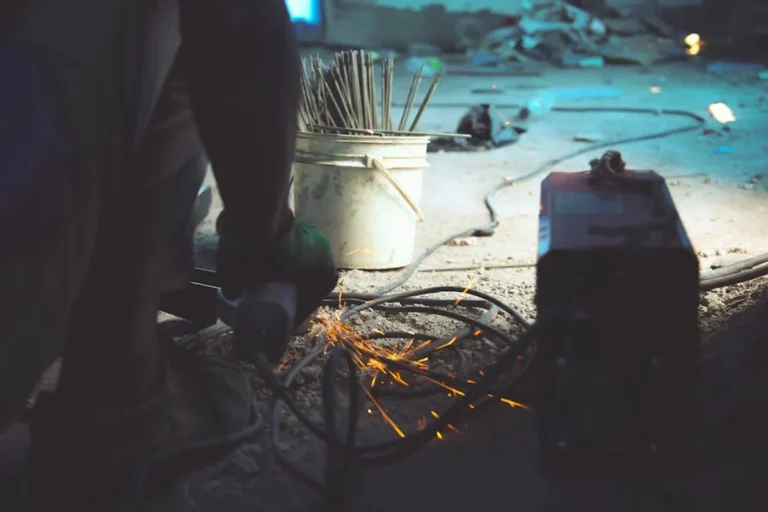
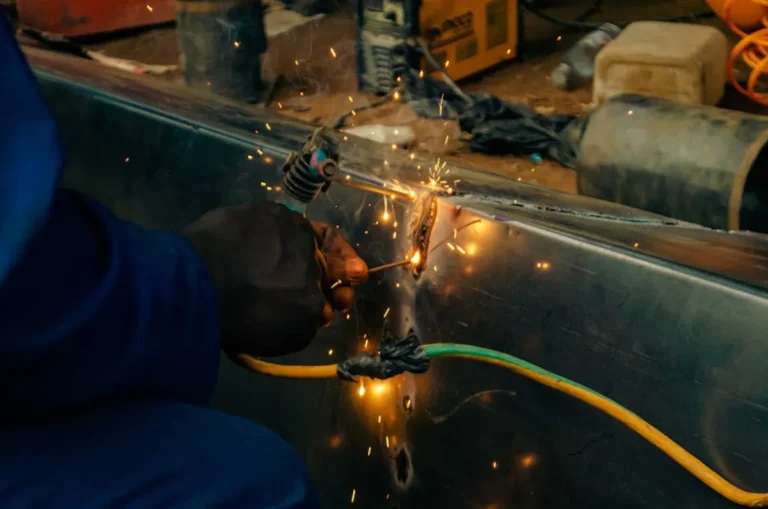
Welding and Fabrication: Welding galvanized steel requires specific techniques to manage zinc fumes and ensure weld integrity. Pre-drilling or punching holes before galvanizing is often more efficient than drilling through the coating post-galvanization, which would require touch-up.
Cost vs. Longevity: Evaluate the total lifecycle cost rather than just the initial material expense. The extended maintenance-free life of galvanized steel frequently outweighs its higher upfront cost compared to painted or uncoated steel.
Practical Material Selection
When specifying materials, consider the environmental conditions and required service life. For outdoor, exposed, or high-moisture applications where structural integrity and minimal maintenance are critical, hot-dip galvanized steel offers a robust and economically sound solution. For precision components or visible surfaces requiring a smoother finish, electrogalvanized options can be more appropriate. Always cross-reference material specifications with industry standards to ensure compliance and expected performance.
Frequently Asked Questions
Does galvanized steel rust?
While galvanized steel is highly resistant to rust due to its zinc coating, it is not entirely impervious. If the zinc coating is severely damaged, or if the steel is exposed to extremely aggressive corrosive environments for prolonged periods, the underlying steel can eventually begin to rust.
Can galvanized steel be painted?
Yes, galvanized steel can be painted, but proper surface preparation is essential for paint adhesion. The zinc surface needs to be cleaned and often requires a primer specifically designed for galvanized surfaces to prevent peeling or flaking.
What is the typical lifespan of galvanized steel?
The lifespan varies significantly with environmental conditions and coating thickness. In typical rural environments, hot-dip galvanized steel can last 50 years or more. In urban or coastal areas with higher pollution or salt exposure, it might last 20-25 years.
Is galvanized steel safe for drinking water applications?
Galvanized steel is generally not recommended for drinking water pipes due to potential zinc leaching and sediment buildup over time. Modern plumbing systems typically use copper, PEX, or stainless steel for potable water applications.