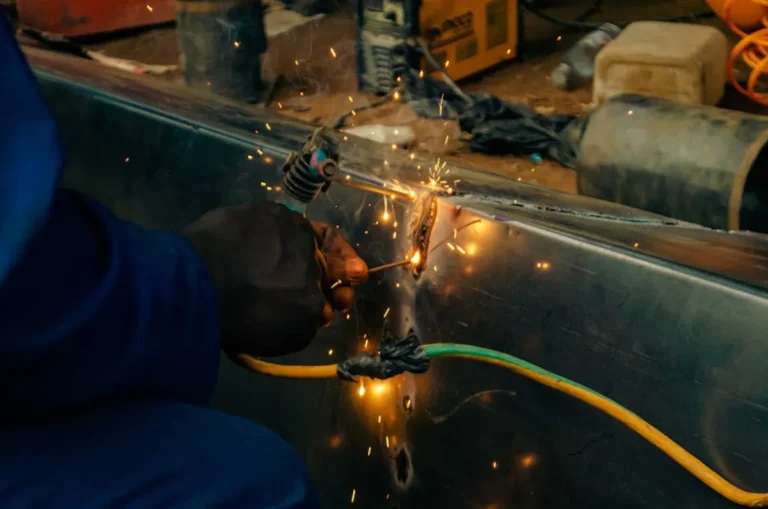

For steel businesses, the path from raw material to a finished structure involves complex processes, stringent specifications, and often, extensive lead times. In this highly specialized B2B landscape, content marketing moves beyond simple brand awareness; it becomes a strategic tool to educate, build trust, and directly influence procurement decisions. Unlike consumer goods, steel products are not impulse buys. Customers, typically engineers, architects, fabricators, and procurement specialists, require deep technical understanding, verifiable data, and a clear demonstration of value. Effective content marketing for the steel industry addresses these specific needs, nurturing relationships over long sales cycles and establishing an organization as a reliable, authoritative partner. Understanding common steel procurement mistakes to avoid can streamline operations and prevent costly errors in project planning.
Understanding the Steel Industry's Content Landscape
The unique characteristics of the steel sector dictate a distinct approach to content. Generic marketing tactics rarely resonate with an audience focused on material properties, regulatory compliance, and project-specific applications.
Addressing Technical Complexity and Niche Audiences
Steel products are inherently technical. From alloy compositions and tensile strength to corrosion resistance and fabrication methods, the details matter significantly. Content must simplify complex information without sacrificing accuracy, making it accessible to both seasoned professionals and those seeking foundational knowledge. The audience is often highly specialized, requiring content that speaks directly to their role and technical challenges.
Navigating Long Sales Cycles
Steel procurement often involves multiple stakeholders, extensive due diligence, and significant capital investment. This translates to prolonged sales cycles, where trust and consistent information are paramount. Content marketing serves as a continuous engagement mechanism, providing valuable resources at every stage of the buyer's journey, from initial research to final vendor selection.
Differentiating Beyond Price
In a market where steel can sometimes be perceived as a commodity, content offers a powerful avenue for differentiation. It allows businesses to highlight superior quality, innovative manufacturing processes, specialized services (e.g., custom fabrication, logistics), sustainability initiatives, and exceptional customer support. This shifts the conversation from purely cost-driven to value-driven, justifying premium offerings.
Core Content Marketing Strategies for Steel Businesses
Developing a robust content strategy requires identifying the specific informational needs of your target audience and delivering that information through appropriate formats.
Educational Content for Engineers and Procurement
This category focuses on providing in-depth, verifiable information that aids decision-making and problem-solving.
- Whitepapers and Technical Guides: In-depth analyses of material properties, application best practices, or compliance with industry standards (e.g., ASTM, EN, JIS). These are valuable lead magnets for engineers and R&D teams.
- Case Studies: Detailed accounts of successful projects, showcasing how specific steel products or services solved a client's challenge, with measurable outcomes (e.g., "How High-Strength Low-Alloy Steel Reduced Weight by 20% in Bridge Construction").
- Blog Posts: Explanations of complex topics, industry news analysis, or comparisons of different steel grades for specific uses (e.g., "Understanding the Differences Between 304 and 316 Stainless Steel").
- Data Sheets with Context: While raw data sheets are essential, accompanying articles or videos that explain the practical implications of the data can be highly beneficial.
Visual Content for Product Application and Manufacturing
Visuals effectively convey information that might be difficult to grasp from text alone.
- Product Demonstration Videos: Showcasing the unique characteristics, fabrication ease, or application of specific steel products.
- Factory Tours and Process Explanations: Videos or interactive infographics detailing manufacturing processes, quality control measures, and sustainable practices. This builds transparency and trust.
- Infographics: Simplifying complex data, such as steel production flows, material composition comparisons, or market trend summaries.
Thought Leadership and Industry Insights
Positioning your organization as an industry authority builds credibility and attracts high-level engagement.
- Market Trend Reports: Analyzing global steel demand, pricing fluctuations, or technological advancements.
- Expert Interviews: Featuring internal metallurgists, engineers, or external industry figures discussing future trends, challenges, and innovations.
- Webinars and Online Seminars: Live or recorded sessions addressing critical industry topics, allowing for direct interaction and lead capture.
Local SEO and Geographic Targeting
For businesses with regional operations or specific service areas, local optimization is crucial.
- Location-Specific Service Pages: Dedicated pages for each operational hub or service region, optimized with local keywords (e.g., "Structural Steel Suppliers in [City, State]").
- Local Project Showcases: Featuring completed projects in specific geographic areas, demonstrating local expertise and capabilities.
- Google Business Profile Optimization: Ensuring complete, accurate, and regularly updated information, including services, hours, and customer reviews.
Pro Tip: Technical accuracy is non-negotiable in steel industry content. Incorrect specifications, outdated standards, or misleading application advice can severely damage credibility and potentially lead to costly errors for your audience. Always have content reviewed by subject matter experts before publication.
Distribution Channels and Promotion for Steel Content
Creating valuable content is only half the battle; ensuring it reaches the right audience is equally critical.
Industry-Specific Publications and Associations
Partnering with established industry journals, trade magazines, and professional associations (e.g., AISI, Steel Manufacturers Association, local fabrication guilds) can significantly amplify reach. This includes guest posts, sponsored content, or syndication opportunities.
Professional Social Media (LinkedIn)
LinkedIn is the primary platform for B2B engagement. Share technical articles, company news, project updates, and engage in relevant industry groups. Encourage employees to share content, leveraging their professional networks.
Email Marketing
Build segmented email lists (e.g., engineers, procurement, distributors) and deliver targeted content. This could include new whitepaper announcements, webinar invitations, or monthly newsletters summarizing industry insights. Email remains a highly effective channel for nurturing leads over time.
SEO for Technical Keywords
Optimize content for the precise, often long-tail keywords that engineers and procurement specialists use. This involves thorough keyword research to identify terms like "ASTM A516 Grade 70 plate specifications" or "duplex stainless steel welding procedures." Technical schema markup can also enhance search visibility for specific product data. This detailed approach to SEO is critical when writing technical content for buyers who rely on precise information.
Measuring Content Marketing Success in Steel
Measuring the effectiveness of content marketing in a B2B context requires tracking metrics beyond simple page views. Focus on indicators that align with sales objectives:
- Lead Generation: Tracking conversions from content assets (e.g., whitepaper downloads, webinar registrations) to marketing qualified leads (MQLs) and sales qualified leads (SQLs).
- Website Engagement: Monitoring time on page for technical articles, download rates for data sheets, and repeat visits from target accounts.
- Search Engine Rankings: Tracking improvements for high-value, technical keywords that indicate authority and visibility.
- Sales Cycle Acceleration: Observing if leads exposed to specific content move through the sales funnel more quickly.
- Brand Authority and Mentions: Tracking citations, backlinks from industry sites, and mentions in professional forums.
Building a Sustainable Content Program
Establishing an effective content marketing program for a steel business requires a long-term commitment. Begin with a clear understanding of your audience's needs and pain points. Allocate resources for high-quality content creation, including access to internal subject matter experts. Implement a consistent publishing schedule and invest in robust distribution strategies. Regularly analyze performance data to refine your approach, ensuring your content continues to deliver commercial value and reinforces your position as a trusted leader in the steel industry.
Frequently Asked Questions
How often should steel businesses publish content?
Quality over quantity is crucial. For technical content, a consistent schedule of 1-2 in-depth articles, whitepapers, or case studies per month is often more effective than daily superficial posts. Regular updates to existing content are also important for maintaining accuracy.
What are the most effective content types for the steel industry?
Whitepapers, technical guides, detailed case studies, and product demonstration videos consistently perform well. These formats directly address the need for in-depth information and practical application common among steel industry professionals.
How can we measure ROI for content marketing in steel?
Measure ROI by tracking how content contributes to lead generation (MQLs, SQLs), influences sales cycles, improves search visibility for high-value keywords, and ultimately, impacts revenue. Assign monetary value to leads and compare against content production and promotion costs.
Do we need in-house experts to create technical steel content?
While external content creators can assist with structure and writing, in-house subject matter experts (engineers, metallurgists, sales specialists) are essential for ensuring technical accuracy, industry relevance, and authentic voice. Collaboration between marketing and technical teams is key.