For business buyers, procuring steel fabrication services represents a critical investment, directly impacting project timelines, budget adherence, and the structural integrity of final products or infrastructure. The complexity lies not just in the material itself, but in the intricate processes, diverse capabilities of fabricators, and the long-term implications of partnership choices. A clear understanding of the fabrication landscape, coupled with a systematic approach to vendor selection, is essential for securing components that meet precise specifications and performance demands.
Understanding Core Steel Fabrication Processes
Steel fabrication involves transforming raw steel into a finished product through a series of specialized operations. Business buyers benefit from a foundational grasp of these processes to accurately define project requirements and evaluate a fabricator’s technical proficiency.
Material Preparation and Cutting
The initial stage typically involves preparing raw steel stock. Cutting methods vary significantly in precision, speed, and cost:
- Shearing: Best for straight-line cuts on sheet and plate, offering speed and efficiency for simpler geometries.
- Sawing: Utilized for beams, tubes, and bars, providing clean, straight cuts with good accuracy.
- Laser Cutting: Delivers high precision and intricate contours on thinner materials, minimizing material distortion.
- Plasma Cutting: Suitable for thicker plates, offering a balance of speed and quality for complex shapes.
- Waterjet Cutting: Excels in cutting heat-sensitive materials or achieving extremely fine tolerances, though at a slower pace.
Forming and Bending
Once cut, steel often requires shaping. Common forming processes include:
- Press Brake Bending: Uses a punch and die to create precise angles and bends in sheet metal. Essential for structural components and enclosures.
- Rolling: Forms metal into cylindrical or conical shapes, critical for tanks, pipes, and curved architectural elements.
- Stamping: A high-volume process for creating complex 3D shapes from sheet metal using custom dies.
Assembly and Joining
Fabricated parts are typically joined to form larger assemblies:
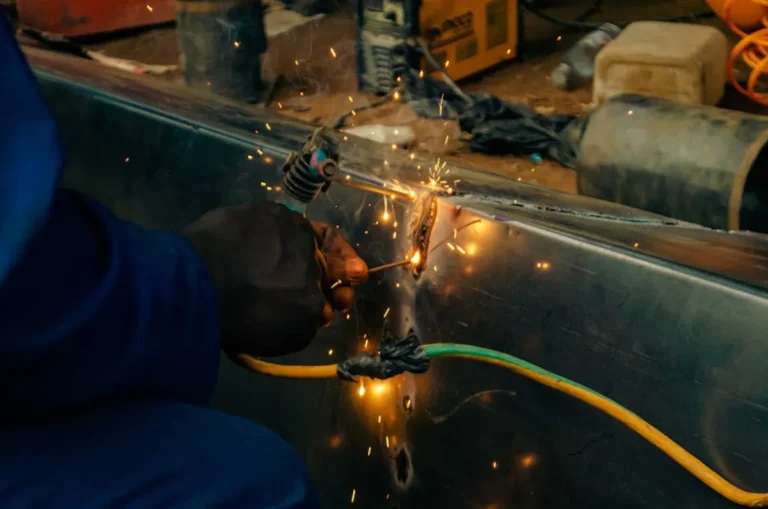
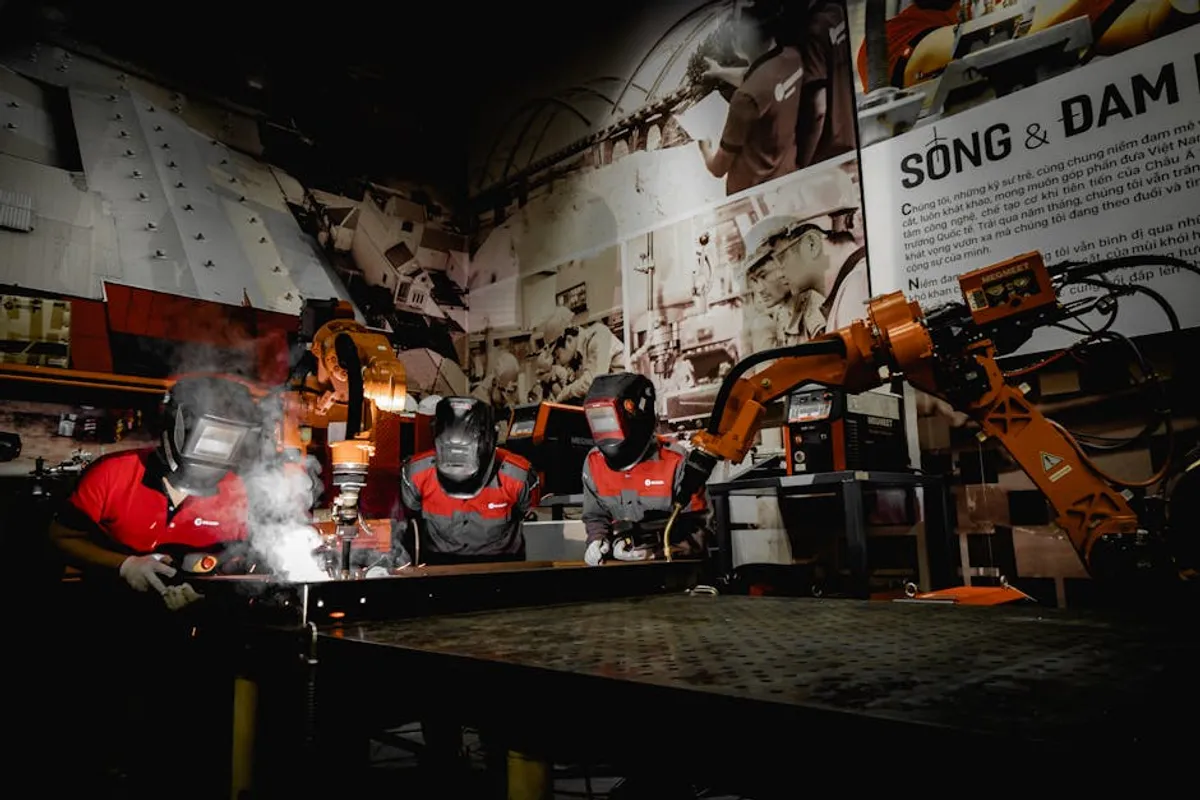
- Welding: The most common joining method, creating strong, permanent bonds. Different types (MIG, TIG, Stick) are selected based on material thickness, desired quality, and application.
- Fastening: Involves mechanical connections using bolts, rivets, or screws, often for temporary assemblies or when disassembly is required.
Finishing and Surface Treatment
The final stages enhance durability, appearance, and performance:
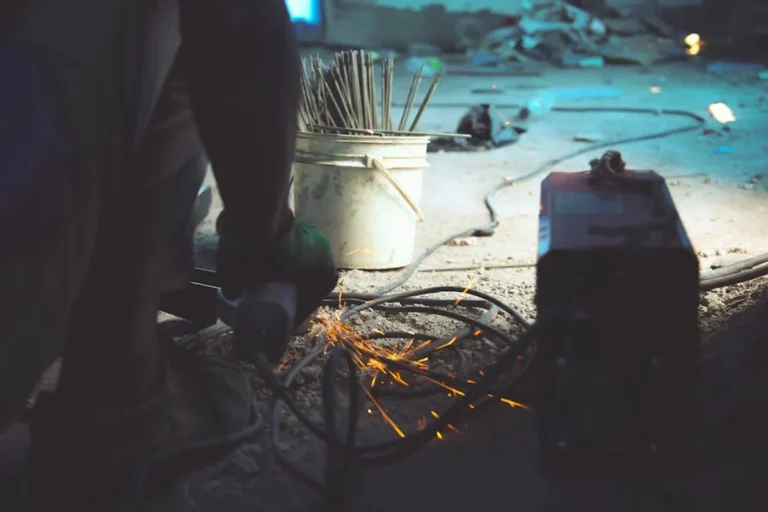
- Grinding and Polishing: Removes sharp edges, weld spatter, and surface imperfections, improving aesthetics and safety.
- Surface Coatings: Applied for corrosion resistance, wear protection, or aesthetic purposes. Options include painting, powder coating, galvanizing, or specialized chemical treatments.
Selecting a Steel Fabricator: Key Evaluation Criteria
Choosing the right fabrication partner requires a structured assessment beyond just the lowest bid. Focus on capabilities, quality assurance, and operational reliability.
Fabricator Capacity and Technical Capabilities
Assess the fabricator's equipment portfolio and workforce expertise. Can they handle your project's scale, material types, and complexity? Look for:
- Equipment Range: Does their machinery (e.g., specific tonnage press brakes, large-format laser cutters) match your component size and precision needs?
- Workforce Skill: Are their welders certified to relevant standards (e.g., AWS D1.1 for structural steel)? Do they have experienced machinists and quality control personnel?
- Specialization: Some fabricators excel in heavy structural steel, others in architectural metals or precision sheet metal. Align their core competency with your project.
Quality Control and Certifications
Robust quality management is non-negotiable. Inquire about:
- Quality Management Systems: Is the fabricator ISO 9001 certified? This indicates a commitment to consistent processes and continuous improvement.
- Industry-Specific Certifications: For structural steel, AISC certification is a strong indicator of adherence to high standards. For pressure vessels, ASME stamps are crucial.
- Inspection Protocols: How do they inspect incoming materials, in-process work, and final products? Ask for examples of their inspection and test plans (ITPs).
- Material Traceability: Can they provide material test reports (MTRs) for all steel used, ensuring it meets specified grades and properties?
Pro Tip: Always request documentation of a fabricator's quality control procedures and relevant certifications. A reputable fabricator will readily provide these, demonstrating transparency and a commitment to standards. Failure to produce such documents should be a significant red flag in your evaluation process.
Design and Engineering Support
A fabricator offering design support can provide significant value, especially for complex or prototype projects. Look for:
- CAD/CAM Capabilities: Do they use modern software for design, modeling, and programming their machinery? This enhances precision and reduces errors.
- Value Engineering: Can they suggest design modifications that optimize manufacturability, reduce material waste, or lower costs without compromising performance?
- Collaboration: Are they willing to work closely with your engineering team to refine designs and resolve technical challenges?
Lead Times, Logistics, and Project Management
Timely delivery and effective communication are paramount for project success.
- Quoted Lead Times: Are these realistic and backed by production scheduling? Understand their current workload and capacity.
- Logistics: How do they handle packaging, shipping, and delivery? Do they offer installation support if needed?
- Project Communication: Will you have a dedicated project manager? How often will you receive progress updates? Clear communication minimizes misunderstandings and delays.
Navigating Your Fabrication Partnership
Successful steel fabrication procurement hinges on clear specifications, thorough vendor vetting, and proactive project management. Define your project scope meticulously, including material grades, tolerances, surface finishes, and inspection requirements. Engage with potential fabricators early in your design process to leverage their expertise. Prioritize partners who demonstrate not only technical competence but also transparent communication and a strong commitment to quality and on-time delivery. A strategic partnership with a reliable fabricator can significantly de-risk your projects and ensure the long-term performance of your fabricated components.
Frequently Asked Questions
What information should I provide for an accurate steel fabrication quote?
Provide detailed engineering drawings (2D and 3D CAD files), material specifications (grade, thickness), required tolerances, surface finish requirements, quantity needed, and target delivery dates. Any specific industry standards or certifications your project must meet should also be included.
How can I ensure the quality of fabricated steel components?
Beyond checking certifications, request a pre-production sample for critical components, conduct periodic site visits to monitor progress and quality control, and specify third-party inspections if your project demands extremely high standards. Ensure the fabricator provides material test reports and quality inspection documentation upon delivery.
What are common red flags to watch for when evaluating fabricators?
Be wary of unusually low bids that seem out of line with market rates, a lack of transparent communication, reluctance to provide references or tour their facility, and an inability to clearly articulate their quality control processes or provide relevant certifications. Inconsistent answers to technical questions are also a concern.
What is the typical lead time for custom steel fabrication?
Lead times vary widely based on project complexity, material availability, the fabricator's current workload, and the specific processes involved. Simple projects might take a few weeks, while complex, large-scale fabrications could require several months. Always discuss lead times explicitly and get them in writing.