
Choosing between carbon steel and stainless steel is a foundational decision in manufacturing, construction, and product design, directly influencing material performance, longevity, and overall project cost. While both are iron-based alloys, their distinct compositions lead to significant variations in properties like corrosion resistance, strength, and aesthetic appeal. Understanding these differences is not merely academic; it dictates suitability for specific environments, processing requirements, and ultimately, the long-term value of the end product. This guide outlines the key distinctions to inform precise material selection for your application.
Core Differences in Steel Composition and Properties
Chemical Composition
The primary differentiator between carbon steel and stainless steel lies in their alloying elements. Carbon steel is an alloy of iron and carbon, with carbon content typically ranging from 0.05% to 2.1% by weight. Other elements like manganese, silicon, and copper are present in smaller, controlled amounts to improve specific properties. Stainless steel, by contrast, is defined by a minimum of 10.5% chromium content. This chromium forms a passive oxide layer on the steel's surface, providing its characteristic corrosion resistance. Nickel, molybdenum, and titanium are often added to stainless steel to further enhance properties like ductility, strength, and resistance to specific corrosive agents.
Corrosion Resistance
This is arguably the most significant practical distinction. Carbon steel, lacking the protective chromium layer, is highly susceptible to rust and corrosion when exposed to moisture and oxygen. Its iron content readily oxidizes, forming iron oxide (rust), which can compromise structural integrity and aesthetic appeal over time. Stainless steel's chromium content, however, creates a self-repairing passive film. If this film is scratched or damaged, the chromium reacts with oxygen to reform the protective layer, making stainless steel highly resistant to rust, staining, and pitting in various environments, including those with exposure to chemicals or saltwater.
Strength and Hardness
Generally, carbon steel tends to be harder and stronger than many common grades of stainless steel, particularly when heat-treated. Higher carbon content directly correlates with increased hardness and tensile strength, though this often comes at the expense of ductility and weldability. Stainless steel, especially austenitic grades (like 304 and 316), is known for its excellent ductility and toughness, making it more formable and less brittle. Martensitic stainless steels can be heat-treated to achieve high hardness, approaching that of carbon steel, but they are less corrosion-resistant than austenitic grades.
Appearance and Aesthetics
Carbon steel typically has a dull, matte finish, often appearing dark gray or black due to surface oxidation or applied coatings. Without protective measures, it will quickly develop a reddish-brown rust patina. Stainless steel, conversely, is recognized for its bright, lustrous, and often polished appearance. It maintains its metallic sheen and can be finished in various ways, from brushed to mirrored, without needing additional coatings for aesthetic preservation. This inherent visual stability makes stainless steel a preferred choice for architectural and consumer product applications where appearance is critical.
Weldability and Machinability
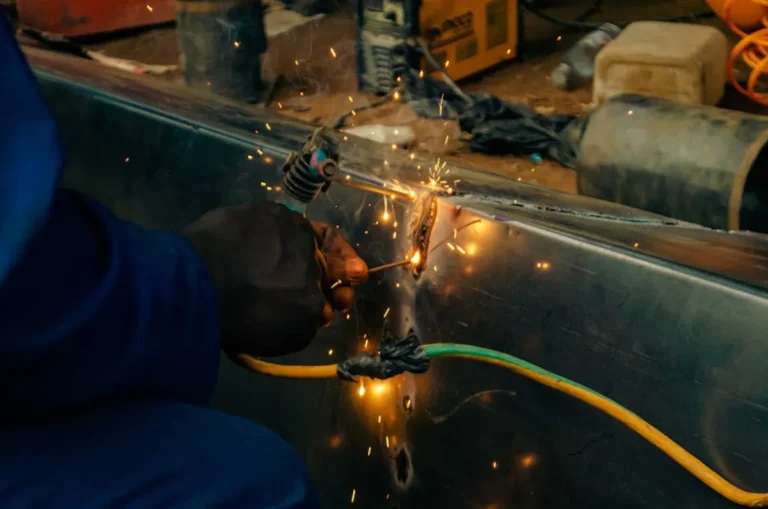
Carbon steel is generally easier to weld than stainless steel, especially lower carbon grades. Its simpler composition means fewer issues with carbide precipitation or cracking during welding. Higher carbon content can increase weld cracking risk, requiring preheating and post-weld heat treatment. Stainless steel, particularly austenitic grades, can be more challenging to weld due to its higher thermal expansion and lower thermal conductivity, which can lead to distortion. Machinability varies significantly by grade for both. Low-carbon steels are relatively easy to machine. Some stainless steel grades, especially those with high nickel content, can be gummy and difficult to machine, requiring specialized tooling and techniques.
Cost Considerations
Carbon steel is typically less expensive than stainless steel on a per-pound basis. The lower cost is primarily due to its simpler alloying composition, lacking expensive elements like chromium, nickel, and molybdenum. However, the initial material cost does not always represent the total project expense. Carbon steel often requires additional costs for protective coatings, painting, or galvanization to prevent corrosion, and may incur higher maintenance expenses over its lifespan. Stainless steel, while having a higher upfront material cost, often provides a lower total cost of ownership due to its inherent corrosion resistance, requiring less maintenance and offering a longer service life in corrosive environments.
Pro Tip: When evaluating material cost, always consider the total lifecycle cost, including initial material price, fabrication expenses, protective treatments, maintenance requirements, and anticipated service life. A lower upfront material cost for carbon steel can quickly be offset by ongoing corrosion protection and repair expenses in demanding environments.
Applications by Material Type
Carbon Steel Applications
Carbon steel is widely utilized in applications where strength and cost-effectiveness are paramount, and where corrosion is either not a significant factor or can be managed through coatings or controlled environments. Common uses include:
- Structural components: Beams, columns, and rebar in construction.
- Automotive parts: Chassis components, engine blocks, and gears.
- Machinery: Tools, dies, and machine frames.
- Pipes and tubing: For non-corrosive fluids or where internal coatings are used.
- Railroad tracks and wheels.
Stainless Steel Applications
Stainless steel is chosen for its corrosion resistance, aesthetic appeal, and hygienic properties, making it suitable for a diverse range of sectors:
- Food and beverage industry: Processing equipment, storage tanks, and cutlery.
- Medical and pharmaceutical: Surgical instruments, implants, and sterile environments.
- Chemical processing: Tanks, pipes, and valves for corrosive chemicals.
- Architecture and construction: Facades, railings, and decorative elements.
- Consumer goods: Appliances, kitchen sinks, and jewelry.
- Marine environments: Components exposed to saltwater.
Selecting the Right Steel for Your Project
The decision between carbon steel and stainless steel hinges on a careful assessment of environmental conditions, required mechanical properties, aesthetic demands, and budget constraints. For high-strength structural applications in controlled environments where cost is a primary driver and corrosion can be mitigated, carbon steel often provides the most economical solution. Conversely, for applications exposed to moisture, chemicals, or high temperatures, or where hygiene and a pristine appearance are non-negotiable, the long-term benefits of stainless steel typically outweigh its higher initial cost. Always specify the exact grade of steel, as properties vary significantly within both carbon and stainless steel families.
Frequently Asked Questions
Is carbon steel stronger than stainless steel?
Not always. While some high-carbon steels are harder and have higher tensile strength than many stainless steels, certain specialized stainless steel grades (like precipitation-hardening types) can achieve comparable or superior strength.
Can carbon steel rust?
Yes, carbon steel rusts readily when exposed to oxygen and moisture because it lacks the chromium content that forms a protective passive layer.
Which is better for outdoor use?
Stainless steel is generally superior for outdoor use due to its inherent corrosion resistance, which protects against weather elements without requiring extensive maintenance or protective coatings.
Is stainless steel magnetic?
It depends on the grade. Austenitic stainless steels (e.g., 304, 316) are generally non-magnetic, while ferritic (e.g., 430), martensitic (e.g., 410), and duplex stainless steels are magnetic.