
Steel stands as a foundational material in modern infrastructure development, underpinning structures that define urban landscapes and facilitate global commerce. Its selection for critical projects—from bridges and high-rises to energy pipelines and transportation networks—is not arbitrary. Rather, it is a deliberate decision rooted in specific material properties that directly impact project longevity, safety, and overall cost-effectiveness. Understanding steel's fundamental characteristics and their application in diverse environments is crucial for engineers, developers, and policymakers aiming to build resilient, sustainable infrastructure.
Fundamental Properties Driving Steel's Infrastructure Use
The widespread adoption of steel in infrastructure stems from a combination of inherent material advantages that address complex engineering challenges.
Strength-to-Weight Ratio
Steel offers an exceptional strength-to-weight ratio, meaning it can bear significant loads while maintaining a relatively light structural footprint. This property allows for longer spans in bridges, taller buildings with smaller foundations, and more efficient use of space. Lighter structures also reduce transportation costs for materials and can accelerate construction timelines, directly impacting project budgets and schedules.
Durability and Longevity
When properly specified and maintained, steel exhibits remarkable durability. It resists fatigue under repeated stress cycles, making it suitable for dynamic loads in bridges and railway tracks. Advanced steel alloys and protective coatings further enhance its resistance to corrosion, abrasion, and extreme temperatures, extending the service life of infrastructure assets and reducing long-term maintenance expenditures.
Versatility and Formability
Steel's ability to be fabricated into a vast array of shapes and sizes provides unparalleled design flexibility. It can be rolled into beams, plates, and bars, or custom-fabricated into complex components. This versatility supports innovative architectural designs and efficient structural solutions, from intricate trusses to large-diameter pipes, minimizing material waste and optimizing structural performance.
Recyclability
Steel is 100% recyclable without loss of its inherent properties, making it a highly sustainable choice. The use of recycled steel significantly reduces the energy consumption and carbon emissions associated with new steel production. This aspect aligns with modern infrastructure goals focused on environmental stewardship and circular economy principles, offering long-term economic and ecological benefits.
Key Applications of Steel Across Infrastructure Sectors
Steel's adaptability allows it to serve critical functions across virtually every infrastructure domain.
Bridges and Overpasses
For bridges, steel enables the construction of long-span structures like suspension, cable-stayed, and arch bridges, which are essential for traversing wide rivers or deep valleys. High-strength low-alloy (HSLA) steels and weathering steels are frequently specified. HSLA steels provide increased load-bearing capacity and reduced dead weight, while weathering steels form a protective patina, minimizing the need for painting and reducing maintenance costs over decades.
High-Rise Buildings and Commercial Structures
In vertical construction, structural steel frames are favored for their speed of erection and precision. Steel's ductility allows it to absorb seismic energy, enhancing earthquake resistance in tall buildings. Composite construction, combining steel beams with concrete slabs, leverages the compressive strength of concrete and the tensile strength of steel, optimizing material use and structural efficiency.
Transportation Networks
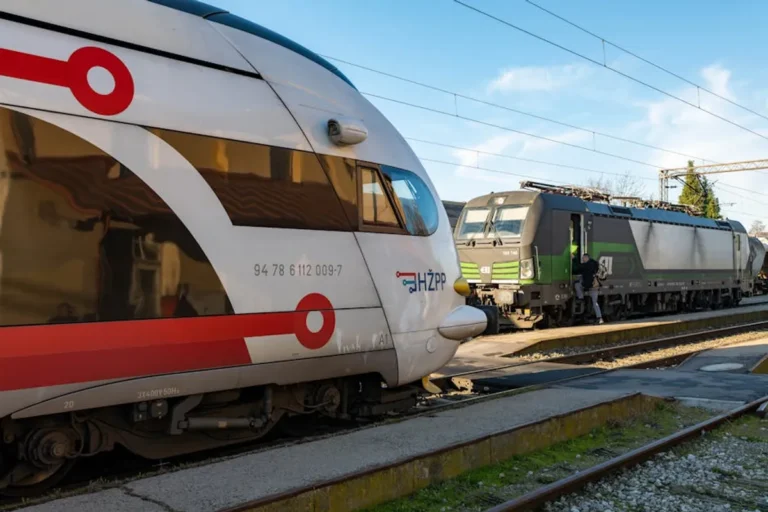
Steel is indispensable for transportation infrastructure. Railway tracks are exclusively made from high-carbon steel for wear resistance and strength. In tunnels, steel rebar reinforces concrete linings, providing stability and crack resistance. Steel also forms the skeletal framework of station platforms, overhead gantries, and various components within mass transit systems, ensuring structural integrity under constant operational demands.
Water and Energy Infrastructure
Pipelines for water, oil, and gas rely on steel for its pressure containment capabilities and durability. Corrosion-resistant steel alloys are critical for offshore platforms and desalination plants. Steel is also the primary material for power transmission towers, substations, and large storage tanks, where its strength and ability to withstand environmental stressors are paramount.
Selecting the Right Steel Grade for Project Demands
The choice of steel grade is a critical engineering decision, balancing performance requirements with economic considerations.
- Environmental Considerations: For structures exposed to marine environments or aggressive industrial atmospheres, galvanized steel, stainless steel, or weathering steel may be chosen to mitigate corrosion. Temperature extremes also influence material selection, requiring steels that maintain ductility at low temperatures or strength at high temperatures.
- Load Requirements: Static loads (dead weight) and dynamic loads (traffic, wind, seismic activity) dictate the required tensile strength, yield strength, and fatigue resistance. High-strength steels reduce material volume for the same load, offering weight savings and potentially smaller foundations.
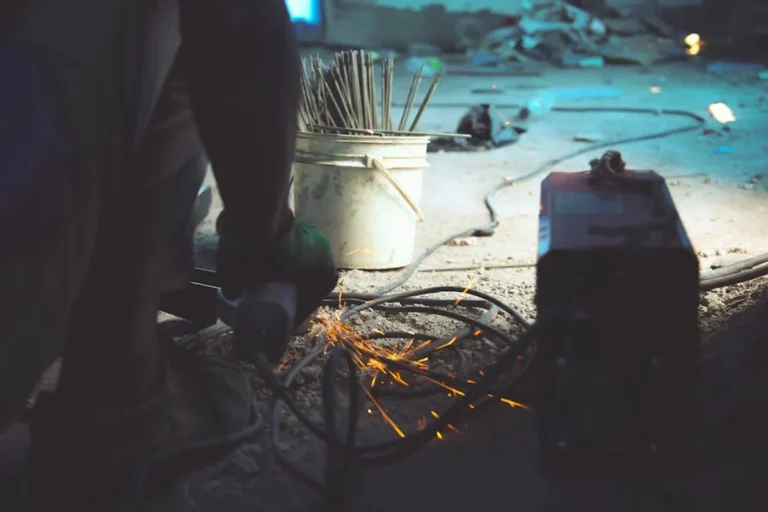
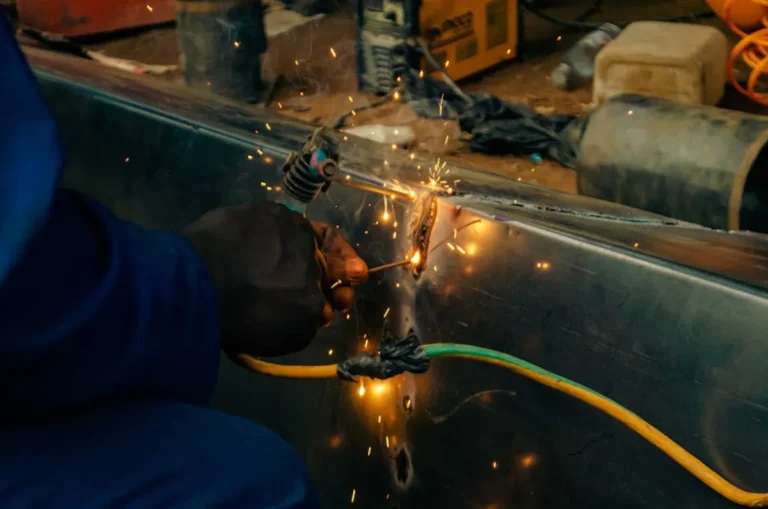
- Fabrication and Construction Methods: The chosen steel must be compatible with the intended fabrication processes, such as welding, bending, and cutting. Weldability, in particular, is a key factor, as poor weldability can lead to costly and time-consuming rework or structural weaknesses.
- Cost-Benefit Analysis: Initial material cost is only one factor. Lifecycle costs, including maintenance, repair, and potential replacement, often favor higher-grade steels that offer extended service life and reduced operational expenses.
Pro Tip: When specifying steel for infrastructure projects, always consider the full lifecycle cost, not just the upfront material price. Investing in higher-grade, corrosion-resistant, or high-strength steels can significantly reduce long-term maintenance and replacement expenses, leading to substantial savings over decades of service.
Innovations and Future Trends in Infrastructure Steel
Ongoing research and development continue to push the boundaries of steel performance, leading to more efficient and sustainable infrastructure solutions.
High-Performance Steels (HPS)
HPS offers superior strength and toughness, allowing for lighter, more slender designs without compromising structural integrity. This reduces material consumption, foundation requirements, and overall project weight, contributing to faster construction and lower environmental impact.
Corrosion-Resistant Alloys
New generations of stainless and weathering steels, alongside advanced coating technologies, are extending the service life of structures in increasingly harsh environments. These materials minimize the need for frequent painting or cathodic protection, reducing maintenance burdens and associated costs.
Smart Steel Structures
The integration of sensors and monitoring systems into steel structures allows for real-time assessment of structural health, load conditions, and environmental impacts. This data enables predictive maintenance, optimizes operational safety, and extends the lifespan of assets through timely interventions.
Sustainable Production
The steel industry is actively pursuing greener production methods, including electric arc furnaces (EAFs) that use a higher percentage of recycled scrap and processes that reduce carbon emissions. These advancements contribute to steel's role in building environmentally responsible infrastructure.
Ensuring Structural Integrity and Longevity
The reliability of steel in infrastructure hinges on meticulous planning and execution. Rigorous material specification, adhering to international standards, is paramount. This ensures the chosen steel possesses the precise mechanical and chemical properties required for its intended application. Throughout manufacturing and construction, stringent quality control measures—including non-destructive testing of welds and material verification—are essential to detect and rectify any deviations. Finally, establishing and following comprehensive inspection and maintenance protocols post-construction is critical for identifying potential issues early, preventing degradation, and maximizing the operational lifespan of the steel components within the infrastructure system.
Frequently Asked Questions About Infrastructure Steel
What makes steel a preferred material for infrastructure?
Steel is preferred due to its high strength-to-weight ratio, exceptional durability, versatility in fabrication, and 100% recyclability. These properties enable the construction of robust, long-lasting, and adaptable structures while supporting sustainable practices.
How does steel contribute to sustainable infrastructure?
Steel contributes to sustainability through its high recyclability, significantly reducing waste and energy consumption compared to virgin material production. Innovations in high-performance steels also allow for lighter designs and less material use, further lowering environmental impact.
What are common challenges when using steel in infrastructure?
Key challenges include managing corrosion in harsh environments, ensuring proper welding and fabrication quality, and addressing potential fatigue under extreme dynamic loads. Selecting the correct steel grade and applying appropriate protective measures are crucial to overcome these issues.
Are there different types of steel for different infrastructure projects?
Yes, various steel types are engineered for specific infrastructure needs. Examples include high-strength low-alloy steels for bridges, weathering steels for reduced maintenance, stainless steels for corrosion resistance, and high-carbon steels for railway tracks, each optimized for particular performance requirements.