
Steel is not a monolithic material but a diverse family of iron alloys, each engineered with specific properties to meet the varied demands of construction and industrial applications. Selecting the appropriate type of steel is a critical decision that directly impacts a project's structural integrity, long-term durability, safety, and overall cost efficiency. Understanding the fundamental characteristics and typical uses of different steel classifications allows engineers, architects, and manufacturers to specify materials that align precisely with performance requirements, environmental conditions, and fabrication processes.
Carbon Steel: The Workhorse Material
Carbon steel constitutes the largest volume of steel produced globally, defined by its primary alloying element: carbon. The carbon content dictates many of its mechanical properties, including hardness, strength, and ductility. These steels are fundamental to general construction and manufacturing due to their versatility and cost-effectiveness.
Low Carbon Steel (Mild Steel)
Low carbon steel, commonly known as mild steel, contains up to 0.25% carbon. This composition makes it highly ductile and malleable, allowing for easy forming, machining, and welding. Its relative softness, however, means it has lower tensile strength compared to higher carbon steels.
Best for: General structural components, rebar, sheet metal, pipes, wires, and automotive body panels where formability and weldability are prioritized over extreme strength or hardness.
Medium Carbon Steel
With a carbon content ranging from 0.25% to 0.60%, medium carbon steel achieves a balance between strength and ductility. It can be heat-treated to further enhance its mechanical properties, increasing hardness and wear resistance.
Best for: Axles, crankshafts, gears, railway wheels, and other machinery components that require higher strength and durability than mild steel but still need some degree of toughness.
High Carbon Steel
High carbon steel contains more than 0.60% carbon, making it the hardest and strongest among the carbon steel classifications. This increased hardness comes at the expense of ductility and weldability, making it more brittle and challenging to work with.
Best for: Springs, high-strength wires, cutting tools, and structural elements where exceptional wear resistance and strength are paramount, such as in heavy-duty machinery or railway tracks.
Alloy Steel: Enhanced Performance
Alloy steels are created by incorporating additional alloying elements beyond carbon, such as manganese, silicon, nickel, chromium, molybdenum, vanadium, and tungsten. These additions are carefully chosen to impart specific properties, including increased strength, toughness, hardness, corrosion resistance, and heat resistance, which are not attainable with plain carbon steel alone.
Stainless Steel
Stainless steel is a prominent type of alloy steel, distinguished by its minimum 10.5% chromium content. This chromium forms a passive oxide layer on the steel's surface, providing excellent resistance to corrosion and staining. Stainless steels are broadly categorized into several families:
- Austenitic Stainless Steel (e.g., 304, 316): Non-magnetic, highly corrosion-resistant, and ductile. Widely used in food processing, medical equipment, architectural applications, and chemical tanks. Grade 316 offers superior resistance to chlorides.
- Ferritic Stainless Steel (e.g., 430): Magnetic, good corrosion resistance, but less ductile than austenitic types. Common in automotive trim, kitchenware, and industrial furnaces.
- Martensitic Stainless Steel (e.g., 410): Can be hardened through heat treatment, offering high strength and hardness but less corrosion resistance than austenitic types. Used for knives, surgical instruments, and turbine blades.
Best for: Environments requiring high corrosion resistance, hygienic surfaces, and aesthetic appeal, such as food and beverage production, medical facilities, marine applications, and modern building facades.
Tool Steel
Tool steels are high-carbon alloy steels designed for extreme hardness, abrasion resistance, and the ability to retain shape at elevated temperatures. They contain elements like tungsten, molybdenum, cobalt, and vanadium.
Best for: Cutting tools, dies, molds, and other applications where materials must withstand significant stress, impact, and wear, particularly in manufacturing and fabrication processes.
High-Strength Low-Alloy (HSLA) Steel
HSLA steels are designed to provide better mechanical properties or greater atmospheric corrosion resistance than conventional carbon steels. They contain small additions of alloying elements (typically less than 2% by weight) to achieve higher strength-to-weight ratios, allowing for lighter structures without compromising integrity.
Best for: Bridges, pipelines, automotive components, and construction equipment where weight reduction, increased strength, and improved corrosion resistance are beneficial.
Structural Steel: Form and Function
Structural steel refers to steel products specifically shaped and graded for construction applications. These are typically hot-rolled into standard cross-sections, such as I-beams, H-beams, channels, angles, and plates, designed to bear heavy loads and provide skeletal support for buildings and infrastructure. Understanding these profiles helps avoid common steel procurement pitfalls in construction projects.
Common grades include A36 (general structural purposes), A572 (higher strength for beams and columns), and A992 (specifically for building framework, offering good weldability and strength).
Best for: Building frames, bridges, industrial platforms, and other load-bearing structures where predictable mechanical properties and standardized shapes are essential for design and construction.
Specialty Steels for Demanding Environments
Beyond the primary categories, various specialty steels address unique challenges in construction and industry.
Weathering Steel (Corten)
Weathering steel, often known by the brand name Corten, develops a stable, rust-like appearance when exposed to the elements. This protective patina eliminates the need for painting and inhibits further corrosion. Its distinctive aesthetic is often favored in architectural and sculptural applications.
Best for: Building facades, bridges, outdoor sculptures, and landscaping features where a unique aesthetic and low maintenance are desired.
Electrical Steel
Electrical steel, or silicon steel, is specifically engineered for its magnetic properties. It has high magnetic permeability and low core loss, making it crucial for efficient energy conversion.
Best for: Transformers, motors, generators, and other electrical equipment where magnetic efficiency and minimal energy loss are critical.
Pro Tip: When selecting steel for critical applications, always consult material specifications (e.g., ASTM, EN standards) and engage with structural engineers or metallurgists. Factors like welding compatibility, fatigue resistance, and specific environmental stressors (e.g., extreme temperatures, chemical exposure, seismic activity) can significantly influence the optimal choice beyond basic strength requirements.
Making an Informed Material Selection
The choice of steel type is rarely singular; it involves a detailed evaluation of several interconnected factors. Project-specific requirements, such as the intended structural load, the anticipated environmental conditions (e.g., humidity, salinity, chemical exposure, temperature fluctuations), and the required service life, dictate the initial material performance envelope. Fabrication methods, including welding, machining, and forming, also influence material selection, as certain steels are more amenable to particular processes. Finally, cost implications—both initial material expense and long-term maintenance—must be balanced against performance needs and relevant regulatory standards to ensure a safe, durable, and economically viable solution.
Frequently Asked Questions
What is the most common type of steel used in construction?
Low carbon steel, often referred to as mild steel, is the most common type due to its excellent ductility, weldability, and cost-effectiveness for general structural components and rebar.
How does stainless steel resist corrosion?
Stainless steel resists corrosion primarily due to its chromium content (a minimum of 10.5%). Chromium reacts with oxygen in the air to form a thin, passive, self-repairing oxide layer on the surface, which acts as a barrier against rust and other forms of corrosion.
What are the main factors influencing steel selection for an industrial project?
Key factors include the required mechanical properties (strength, hardness, toughness), resistance to environmental factors (corrosion, temperature extremes), ease of fabrication (weldability, machinability), cost, and compliance with industry-specific standards and regulations.
Can different types of steel be welded together?
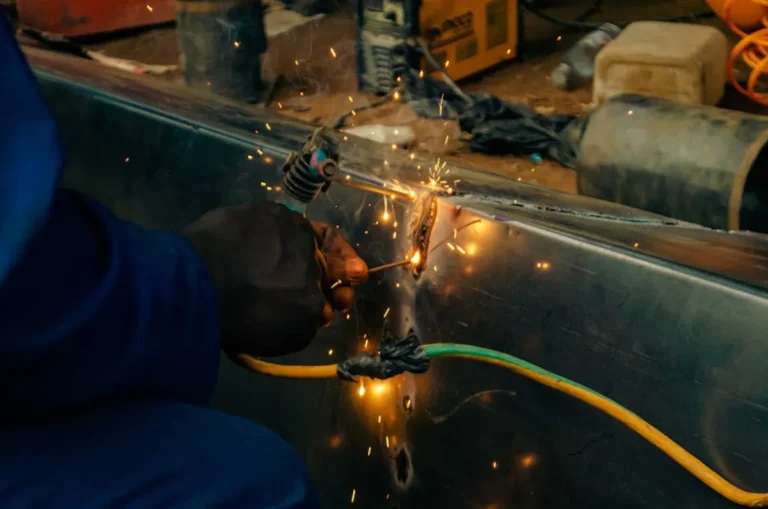
Yes, different types of steel can often be welded together, but the process requires careful consideration of their metallurgical differences, such as carbon content and alloying elements. Specialized welding procedures, filler materials, and pre/post-weld heat treatments may be necessary to ensure a strong, ductile, and durable joint.